A Beginner's Guide to Choosing a Ceramic Drinkware Manufacturer
We all love a good custom mug, don't we? It's a fantastic way to showcase your personal style, give a meaningful gift, or promote a brand. But when you have a unique design in mind, finding the right ceramic drinkware manufacturer can feel like navigating a complex puzzle. This guide is here to help you explore your options, making it easy to choose the perfect partner for your custom ceramic creations.
First Steps: What to Decide Before Contacting a Ceramic Drinkware Manufacturer
Before you dive into searching for a manufacturer, laying some foundational groundwork will make the entire process smoother, faster, and more successful. Taking the time to refine your vision and understand your core requirements will help you communicate effectively with potential partners and ensure the final product matches your expectations.
Envisioning Your Ideal Mug
The first step is to move your idea from a vague concept to a concrete design. Think about the mug not just as a container, but as an experience.
Define the Purpose and Audience: Who is this mug for? The answer will shape every other decision. A promotional mug for a corporate giveaway has different needs than a personalized photo mug for a family member or a limited-edition piece for an online store. Consider your target audience: are they corporate clients, event planners, gift shoppers, or a niche community with specific interests? Knowing your audience helps determine the style, quality, and price point.
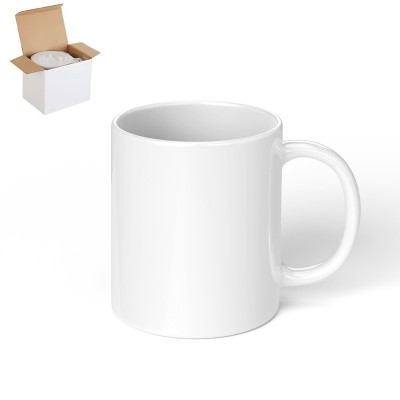
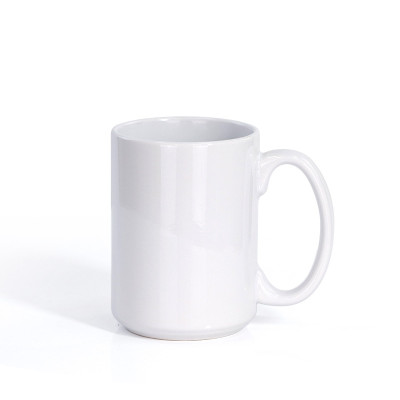
Size and Shape: The classic 11oz mug is a popular standard, but it's far from the only option. A larger 15oz mug might be better for those who enjoy a generous cup of coffee or a latte. The shape also impacts the user experience; a wide-mouthed mug is great for releasing the aroma of a brew, while a taller, narrower mug helps retain heat. The shape can be a classic cylinder, a trendy tapered latte mug, or even a rustic campfire style.
Handle Design: A mug's handle is crucial for comfort and functionality. The classic "C-shape" is the most common for a reason—it's ergonomic and provides a secure grip for most hand sizes. However, there are many other styles, such as the modern "D-shape," the elegant "O-handle" (or loop handle), and even whimsical custom shapes that add artistic flair. The handle should be easy to grip and feel balanced, even when the mug is full.
Design and Artwork: How will your visual design be applied? Will it be a simple one-sided logo, a design that wraps fully around the mug, or a two-sided print with different images or text? When preparing your artwork, always use high-resolution files (at least 300 DPI) to avoid a pixelated or blurry final print. Also, consider the placement. Keep critical elements away from the very edges or too close to the handle, as these areas can cause distortion. For text, choose clear, legible fonts and ensure there's strong color contrast between the text and the mug's background to make it readable.
Why Ceramic is a Great Choice
While other materials like glass, plastic, and stainless steel exist, ceramic remains the champion of the mug world for several compelling reasons. Its unique properties offer a blend of functionality, aesthetics, and value that's hard to beat.
Superior Heat Retention: One of the most significant advantages of ceramic is its ability to keep your drinks warmer for longer. Ceramic is more porous than glass, which slows down the process of heat conduction—the transfer of heat from your hot beverage to the mug itself. The thicker the ceramic wall, the better the insulation. This means your morning coffee or tea will stay at an enjoyable temperature for a more extended period compared to a glass or uninsulated metal cup.
Purity of Flavor: Ceramic is an inert material, meaning it won't react with the acids in your coffee or tea. Unlike plastic, which can leach chemicals, or metal, which can sometimes impart a slight metallic taste, ceramic ensures that your beverage tastes exactly as it should. This non-reactive quality preserves the pure, intended flavor profile of your drink.
Durability and Longevity: High-quality ceramic, especially stoneware or porcelain fired at high temperatures, is designed for daily use. It's resistant to chipping and cracking under normal conditions and, unlike plastic, won't degrade or scratch easily over time. Most ceramic mugs today are also conveniently microwave and dishwasher safe, making them a practical choice for busy lifestyles.
Aesthetic Versatility and Perceived Value: Ceramic is a wonderfully versatile medium. It comes in countless shapes, sizes, and finishes, from glossy and vibrant to matte and earthy. This provides a perfect canvas for a wide range of designs, from simple logos to full-color photographs. A well-made ceramic mug has a substantial, high-quality feel that instantly elevates its perceived value, making it a more appreciated gift and a more effective promotional item.
Health and Environmental Benefits: Ceramic is a healthier choice as it is generally free from toxins like BPA that can be found in plastic containers. By choosing a reusable ceramic mug, you are also making a more sustainable choice compared to single-use disposable cups, reducing your environmental footprint.
Exploring Different Kinds of Ceramic Drinkware Manufacturers
Once you have a clear vision for your mug, the next step is to find the right type of manufacturer to bring it to life. The world of custom drinkware production is diverse, with different models catering to various needs, from one-off personalized gifts to large-scale corporate orders. Understanding the key differences between these manufacturer types will help you identify the best fit for your project's scope, budget, and timeline.
Print-on-Demand (POD) for Easy Creation
Print-on-Demand (POD) is a business model where products are created only after an order is placed. This approach has revolutionized the custom merchandise industry, making it accessible to creators, small businesses, and individuals without the need for large upfront investments.
How it Works: You partner with a POD service, upload your design to their platform, and list the virtual product (your mug) in your online store. When a customer buys the mug from your site, the order is automatically sent to the POD provider. They then print your design onto a blank mug, pack it, and ship it directly to your customer. You never have to handle inventory, printing equipment, or shipping logistics.
Pros:
- Low Financial Risk: The biggest advantage is the lack of upfront cost. You don't buy any stock until you've made a sale, eliminating the risk of being left with unsold inventory.
- No Inventory Management: You don't need a warehouse or storage space. The POD company handles all physical products.
- Wide Product Range: Most POD services offer a variety of mug types—classic ceramic, latte mugs, color-changing "magic" mugs, and more—allowing you to test different products easily.
- Global Fulfillment: Many POD companies have printing facilities worldwide, enabling you to sell and ship to a global audience more efficiently.
Cons:
- Lower Profit Margins: The convenience comes at a cost. The base price for a POD-produced mug is higher than a bulk-ordered one, which means your profit per item is smaller.
- Less Control Over Quality and Shipping: You are reliant on the POD company for product quality, print accuracy, and shipping times. Any issues reflect on your brand, even if they are not your fault.
- Longer Turnaround Times: Since the product is made to order, it can take longer for the customer to receive it compared to buying from a company with pre-made stock.
Best for: Entrepreneurs, artists, and small e-commerce businesses who want to test new designs with minimal risk, or for those who need to fulfill individual, one-off orders for personalized mugs.
Local Shops or Artisan Ceramic Drinkware Manufacturers
For those who prioritize unique craftsmanship, direct collaboration, and supporting local economies, partnering with a local pottery studio or an artisan manufacturer is an excellent option. This path offers a level of customization and a personal touch that is often absent in larger, more automated production methods.
How it Works: You would typically find these manufacturers through local craft fairs, online marketplaces specializing in handmade goods, or by searching for local pottery studios. The process involves direct communication with the artisan or small business owner, discussing your design, and commissioning them to create the mugs for you.
Pros:
- Unique, High-Quality Craftsmanship: Artisan-made mugs often feature superior craftsmanship and a unique, handmade quality that mass-produced items cannot replicate. You can often specify the type of clay, glaze, and finish.
- Direct Collaboration: You get to work closely with the maker, providing feedback and often being part of the creative process. This ensures your vision is accurately translated into the final product.
- Support for Local Economy: Choosing a local artisan helps support small businesses and skilled craftspeople within your community.
- Flexibility on Minimums: While some may have minimum order requirements, many artisans are willing to do small batches or even one-of-a-kind pieces.
Cons:
- Higher Cost Per Unit: The time, skill, and labor involved in handmade products mean the cost per mug will be significantly higher than bulk or POD options.
- Longer Production Times: Handmade pottery is a multi-step process that includes throwing, trimming, drying, bisque firing, glazing, and a final firing. This can take several weeks or even months, depending on the artisan's schedule and the size of your order.
- Limited Scalability: Artisans have a limited production capacity. This option is not suitable for businesses needing thousands of units quickly.
- Potential for Inconsistency: The nature of handmade items means there may be slight variations between each mug in terms of size, shape, or glaze color. While many see this as part of the charm, it's something to be aware of if you require absolute uniformity.
Best for: Those seeking truly unique, high-end products, small businesses creating premium branded merchandise, or individuals commissioning a special set of mugs where quality and artistry are the top priorities.
Key Things to Check When Choosing a Ceramic Drinkware Manufacturer
Selecting the right manufacturing partner is a critical decision that directly impacts the quality of your product, your brand's reputation, and your bottom line. Once you've identified potential manufacturers, it's time to vet them thoroughly. Focusing on material quality, print durability, and shipping reliability will help you avoid common pitfalls and ensure a successful partnership.
Quality Materials and Durable Prints
Not all ceramic mugs are created equal. The type of ceramic used and the printing method applied will determine the mug's look, feel, longevity, and safety.
Understanding Ceramic Types:
- Earthenware: Fired at lower temperatures, it's more porous and less durable. It's often cheaper but more prone to chipping.
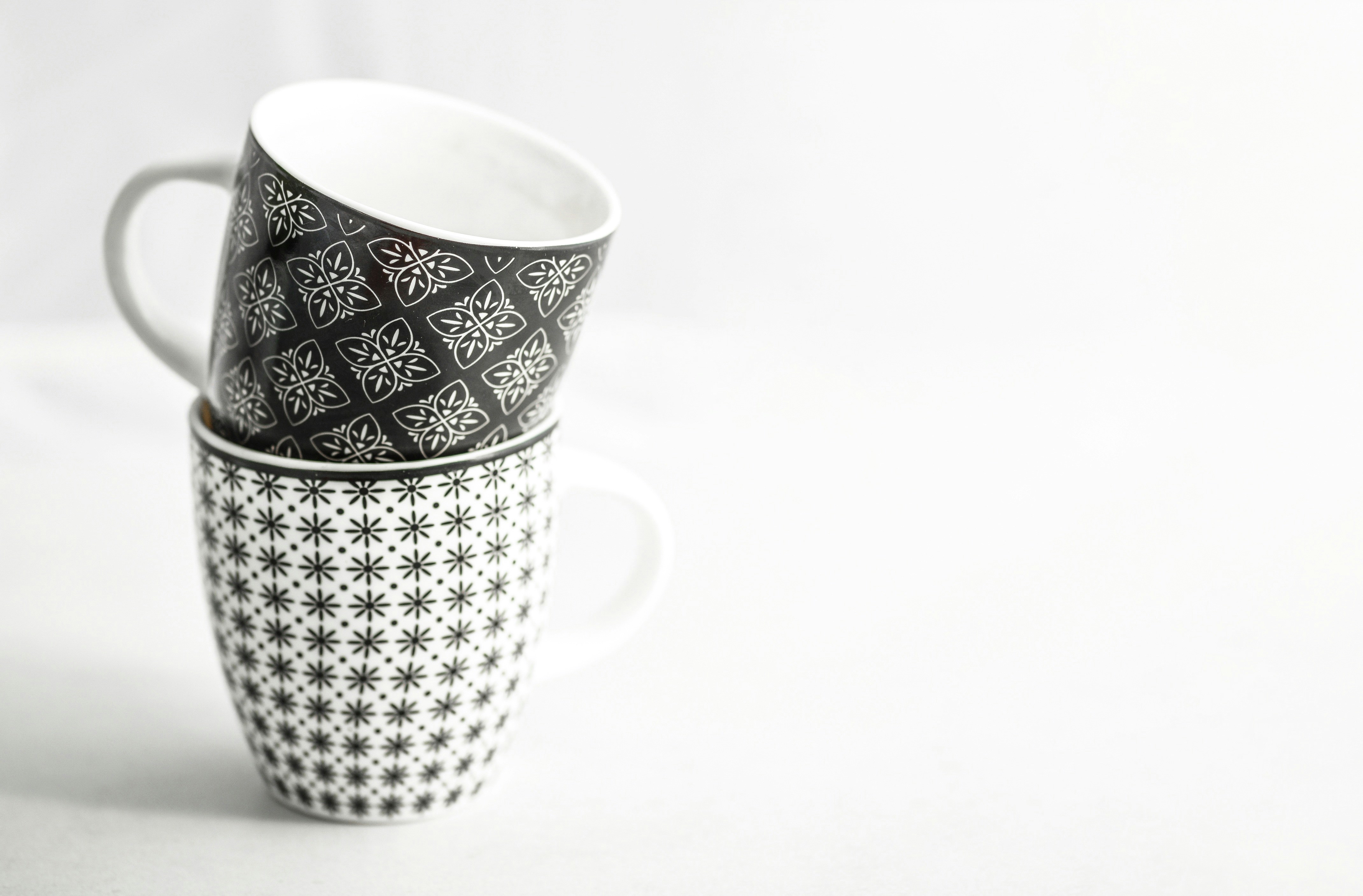
- Stoneware: Fired at a higher temperature, stoneware is less porous, more durable, and has an opaque, earthy feel. It is a very popular and resilient choice for everyday mugs.
- Porcelain: Fired at the highest temperatures, porcelain is the strongest and most durable type of ceramic. It's non-porous, lightweight, and often has a more delicate, high-end appearance. Ask the manufacturer what type of ceramic they use and ensure it has been tested to be lead-free and non-toxic.
Comparing Printing Methods: The technology used to apply your design is crucial for its appearance and durability.
- Dye Sublimation: This is a popular method for full-color or photographic designs. The design is printed on special paper with sublimation ink and then heat-pressed onto the mug. The ink turns into a gas and permeates the mug's coating, creating a vibrant, permanent image that won't peel or crack. It works best on white or light-colored mugs.
- Screen Printing (Direct Printing): In this method, ink is pushed through a stencil (screen) directly onto the mug's surface. It's excellent for designs with a few solid colors (like logos) and is very cost-effective for large orders.
- Decal Transfers: The design is printed onto a special decal paper, which is then applied to the mug by hand and fired in a kiln. This method allows for high detail and placement on complex shapes (like inside the mug or on the handle) and is very durable.
| Printing Method | Best For | Color Capability | Durability | Cost-Effectiveness |
|---|---|---|---|---|
| Dye Sublimation | Full-color photos, complex gradients | Unlimited colors | High (Permanent, won't peel) | Good for small to medium runs |
| Screen Printing | Simple logos, text, 1-4 solid colors | Limited colors | Moderate to High | Best for large bulk orders |
| Decal Transfers | High detail, complex placement | Multi-color | Very High (Kiln-fired) | Higher cost, good for premium |
- Checking for Durability: The most important question for print durability is: "Is it dishwasher and microwave safe?" A high-quality custom mug should be able to withstand regular use and cleaning without the design fading, peeling, or degrading. A manufacturer confident in their product will clearly state these specifications.
Secure Shipping for Your Mugs
Ceramic mugs are fragile. The most beautifully designed and printed mug is worthless if it arrives shattered. A reputable manufacturer understands this and invests in secure packaging and reliable shipping protocols.
Packaging is Paramount: Ask potential manufacturers about their packaging methods. Do they use sturdy, form-fitting boxes? Is there sufficient cushioning like bubble wrap, foam inserts, or specially designed cardboard suspension packaging? Some companies use packaging specifically designed and tested to withstand drops and impacts during transit. Don't be afraid to ask for photos of their standard shipping containers.
Shipping Policies and Insurance: What happens if a shipment is lost or damaged? A good partner will have a clear policy for handling these situations.
- Insurance: Do they offer shipping insurance? This is especially important for large and valuable orders.
- Replacement Policy: Will they replace broken items free of charge? A manufacturer who stands behind their shipping process will have a straightforward and hassle-free replacement policy.
- Tracking: Do they provide tracking numbers for all shipments? This is standard practice and essential for both you and your customers to monitor the delivery progress.
Handling and Fulfillment: For larger orders, inquire about how they palletize and ship bulk quantities. For e-commerce businesses using a manufacturer for fulfillment, understanding their order processing times (how quickly they ship after an order is placed) is just as important as the transit time itself.
Paying close attention to these critical details—material quality, print durability, and shipping security—will help you forge a partnership that not only delivers a superior product but also provides peace of mind.
Finalizing Your Partnership with a Ceramic Drinkware Manufacturer
You've done the research, narrowed down your options, and are close to making a decision. This final stage is about due diligence. Asking the right questions and physically verifying the product quality will solidify your choice and set the foundation for a successful and stress-free production run. Don't rush this step; a little extra time here can save you from major headaches later.
Important Questions to Ask
Before you sign any contract or place a large order, make sure you have clear, written answers to the following questions. This checklist will help you cover all critical business terms and avoid any misunderstandings.
- Minimum Order Quantity (MOQ): "What is your minimum order quantity for this specific mug style and design?" This is often the first question to ask, as it can quickly qualify or disqualify a manufacturer. Some bulk suppliers have MOQs in the hundreds or thousands, while others may be more flexible.
- Pricing and Volume Discounts: "Can you provide a detailed price breakdown? Is there tiered pricing for larger quantities?" Ask for a quote that includes all costs: the price per mug at different volume levels, any setup fees for screens or digital files, and any additional charges for specific colors or placements.
- Production Turnaround Time: "What is the estimated production lead time from the moment an order is approved to the day it ships?" This is crucial for planning your launch or event. Be sure to differentiate between production time and shipping time.
- The Proofing Process: "What is your process for proofs? Will I receive a digital mockup or a physical pre-production sample for approval?" A digital proof is a minimum requirement, allowing you to check for spelling errors and correct placement. However, a physical sample is always preferable.
- Payment Terms: "What are your payment terms? Is a deposit required upfront, and when is the final balance due?" Standard practice is often 50% upfront and 50% upon completion before shipping, but this can vary.
- Return, Refund, and Replacement Policy: "What is your policy for defective products or printing errors? What about items damaged in shipping?" A reputable manufacturer will stand by their work and have a clear process for correcting mistakes at their own expense.
- Technical Specifications: "Can you confirm the exact print area dimensions, accepted file formats, and any color matching systems you use (e.g., Pantone Matching System)?" This ensures your design files are prepared correctly for optimal results.
Having these conversations upfront establishes clear expectations and demonstrates that you are a serious and professional partner.
Don't Forget to Order Samples
This might be the single most important step in the entire process. No matter how great the photos on a website look or how persuasive a sales representative is, you cannot judge the true quality of a mug until you hold it in your hand.
Why Samples Are Non-Negotiable:
- Assess physical quality: You can feel the weight and balance of the mug, check the smoothness of the glaze, and inspect for any imperfections in the ceramic itself.
- Verify print quality and color accuracy: A physical sample allows you to see how your design looks in person. Are the colors as vibrant as you expected? Is the print sharp and clear? Colors can look very different on a backlit screen compared to a printed object.
- Test durability: A sample is your opportunity to perform your own quality control. Run it through the dishwasher, use it in the microwave (if it's supposed to be safe for them), and see how the print holds up.
- Confirm packaging: Ask for the sample to be shipped in the same packaging they use for a final order. This allows you to evaluate firsthand if their packing method is robust enough to protect the mug during transit.
The Cost of a Sample is an Investment: While manufacturers usually charge for samples (and often at a higher price than the bulk unit cost), this expense is a small and necessary investment. The cost of ordering a single sample is insignificant compared to the potential cost of receiving thousands of mugs that don't meet your quality standards. It's your ultimate insurance policy against disappointment and financial loss.
By methodically asking these key questions and insisting on a physical sample, you move from hoping you've found the right partner to knowing you have. This final step transforms your choice from a guess into a confident, well-informed business decision.
Key Takeaways
Choosing the right ceramic drinkware manufacturer is a crucial step in bringing your creative or branding vision to life. The process involves more than just finding the lowest price; it's about finding a partner who can deliver quality, reliability, and value. By focusing on your specific needs, thoroughly exploring your options, and performing due diligence, you can ensure a successful outcome. Remember to start with a clear vision of your ideal mug, understanding the nuances of design, size, and material. Evaluate different manufacturer types, from flexible Print-on-Demand services to unique artisan creators, to find the model that best suits your business goals. Critically, always vet potential partners by examining their material quality, print durability, and shipping practices. Finally, ask detailed questions and never, ever skip ordering a physical sample. This final check is your best insurance policy for quality.
Frequently Asked Questions (FAQ)
Q1: What is the best type of ceramic for a custom mug? A1: For most people, stoneware offers the best balance of durability, heat retention, and value. It's strong, less prone to chipping than earthenware, and has a satisfying weight. Porcelain is a more premium option, known for its superior strength, lighter weight, and more elegant appearance, but it often comes at a higher cost.
Q2: How much does it cost to get custom mugs made? A2: The cost varies dramatically based on the manufacturer, order quantity, and complexity of the design. A single mug from a Print-on-Demand service might cost between $10-$20. When buying in bulk, the price per mug drops significantly; for large orders, it could be as low as a few dollars per unit, plus setup fees. Handmade artisan mugs will be the most expensive, often priced as individual works of art.
Q3: How do I ensure my design's colors will print accurately? A3: To ensure color accuracy, first, provide your artwork in a high-resolution format (300 DPI) and in the CMYK color mode used for printing. If your brand requires exact color matching, you should use the Pantone Matching System (PMS). Provide the manufacturer with the specific Pantone color codes for your design. Most importantly, order a physical sample to see how the colors appear on the final product before committing to a full order.
Q4: Are all custom mugs dishwasher and microwave safe? A4: Not necessarily. Most modern ceramic mugs produced by reputable manufacturers are designed to be dishwasher and microwave safe, especially those using sublimation or high-quality decal printing. However, some mugs, particularly those with metallic inks or certain types of glazes, may not be. Always confirm this with the manufacturer and check for printed indicators on the bottom of the mug.
Conclusion
Choosing the right ceramic drinkware manufacturer is key to creating beautiful custom mugs that you and your customers will love. This journey, from your initial idea to holding the final product, is a process of careful consideration and informed decision-making. By taking the time to define your needs, explore the different types of manufacturing partners available, ask smart questions, and insist on quality checks like ordering a sample, you are setting yourself up for a successful and satisfying outcome.
I hope this guide has provided you with the clarity and confidence to move forward. Finding the perfect partner to bring your creative ceramic ideas to life is an exciting venture. Now you have the tools to navigate the process like a pro. We'd love to hear about your creations—feel free to share this article and your own experiences to help others on their journey