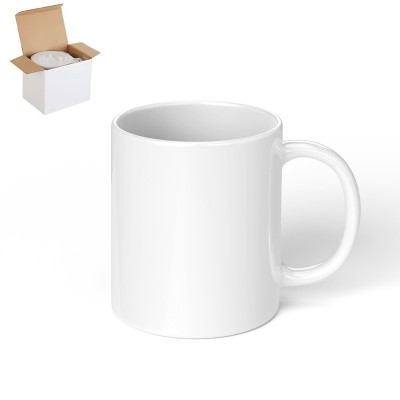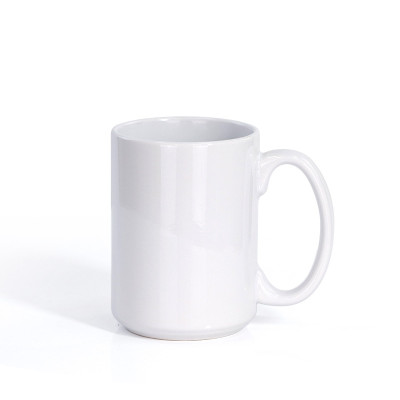
A Ceramic Drinkware Manufacturer's Guide to Glazes, Shapes, and Food Safety Standards.
As ceramic drinkware manufacturers, we hold a unique responsibility. We create the vessels that become part of our customers' daily rituals—the morning coffee, the afternoon tea, the evening cocoa. This guide is crafted to illuminate the three pillars of our craft: the glazes that give our products their soul, the shapes that define their comfort and utility, and the paramount food safety standards that ensure the well-being of every user.
My goal is to offer practical, actionable insights into these fundamental areas. By mastering them, you can elevate your brand's reputation, foster unwavering customer loyalty, and build a legacy of success through thoughtful design and responsible manufacturing. Let this be your handbook for creating ceramic drinkware that is not only beautiful and functional but also a testament to quality and safety.
Key Takeaways
This guide provides a comprehensive framework for ceramic drinkware manufacturers, focusing on materials, aesthetics, design, and safety. Here are the essential takeaways to elevate your production process and brand reputation:
- Material Mastery is Foundational: The quality of a ceramic mug is determined by the clay body, glaze, and firing process. High-quality ceramics are durable, non-porous, and free from defects. Understanding the differences between earthenware, stoneware, and porcelain is crucial for aligning your products with market expectations. Stoneware and porcelain offer superior durability and heat retention, making them ideal for premium drinkware.
- Glazes Define Aesthetics and Function: Glazes are not just for color; they create a non-porous, food-safe surface and contribute to the product's final look and feel. From classic glossy and matte finishes to innovative reactive and color-changing glazes, the possibilities are vast. The application technique—dipping, spraying, or painting—directly impacts the final consistency and appearance, allowing for unique artistic expressions.
- Shape Enhances User Experience: The design of a mug goes beyond visual appeal; it's about ergonomics and functionality. A well-designed handle prevents discomfort, while the shape of the rim affects the drinking experience. The overall form also influences heat retention and aroma diffusion, directly impacting how the user enjoys their beverage. Thoughtful design balances aesthetics with practical, human-centered considerations.
- Food Safety is Non-Negotiable: Adherence to food safety standards, such as the FDA's regulations on lead and cadmium and California's Proposition 65, is a legal and ethical imperative. Using food-safe, non-toxic clays and glazes is essential for consumer health. Certifications from reputable third-party labs provide verifiable proof of your commitment to safety, building trust with consumers and business partners alike.
- Preventing Defects Protects Your Bottom Line: Cracking is a common but preventable issue in ceramic production. It often stems from uneven drying, thermal shock during firing, or improper clay preparation. Implementing strict quality control measures, such as ensuring uniform wall thickness, managing drying rates, and following precise firing schedules, is key to minimizing waste and ensuring product integrity.
- Sustainability is a Competitive Advantage: Modern consumers are increasingly environmentally conscious. Adopting eco-friendly practices, such as recycling clay and water, using energy-efficient kilns, and sourcing non-toxic materials, not only reduces your environmental impact but also appeals to this growing market segment. Promoting the health benefits of inert, non-leaching ceramic can further strengthen your brand's position.
By integrating these key principles into your manufacturing process, you can create ceramic drinkware that excels in quality, beauty, and safety, ensuring lasting success and customer satisfaction.
Ensuring Quality and Understanding Materials: Essential Insights for Every Ceramic Drinkware Manufacturer
The foundation of any exceptional piece of ceramic drinkware lies in the quality of its materials and the precision of its construction. For manufacturers, a deep understanding of what constitutes a high-quality product is not just a benchmark—it's a competitive advantage. This section delves into the critical elements that define excellence, from the choice of clay to the science behind balancing form and function, providing the insights needed to create drinkware that stands the test of time.
What Makes a High-Quality Ceramic Mug?
A high-quality ceramic mug is a blend of durability, safety, and thoughtful design. Its defining characteristic is the absence of defects and the presence of features that enhance the user's experience. Key indicators of quality include a uniform, non-porous surface that doesn't absorb liquids or odors, which is primarily achieved through proper vitrification during firing. High-quality mugs should feel balanced in the hand, with a comfortable handle and a smooth rim. The glaze should be evenly applied, free from pinholes, crazing (fine cracks), or blisters, ensuring it's both beautiful and food-safe. Durability is another crucial factor; a well-made mug resists chipping, cracking, and staining with regular use and is typically dishwasher and microwave safe, a feature consumers have come to expect.
Diving Deep into Ceramic Materials and Their Functions
The term "ceramic" encompasses a range of materials, each with distinct properties that make it suitable for different applications. For drinkware, the three most common types are earthenware, stoneware, and porcelain.
| Material | Firing Temperature | Porosity | Durability & Use Case |
|---|---|---|---|
| Earthenware | Low (1,000-1,150°C) | Porous (requires glaze) | Less durable, chips easily. Best for decorative items or casual, low-cost drinkware. |
| Stoneware | Medium (1,200-1,300°C) | Non-porous (vitrified) | Very durable, chip-resistant, excellent heat retention. Ideal for everyday, high-use mugs. |
| Porcelain | High (1,200-1,400°C) | Non-porous (vitrified) | Extremely durable, thin, and translucent. Considered a premium material for elegant and high-end drinkware. |
Understanding these differences is key for a ceramic drinkware manufacturer. While earthenware offers a rustic appeal, stoneware provides the perfect balance of durability and aesthetic versatility for the mass market. Porcelain, with its refined appearance and strength, caters to the premium segment. The choice of material directly impacts the final product's cost, performance, and perceived value.
Diverse Mug Types and Customization Opportunities
The market for ceramic mugs is incredibly diverse, with a shape and style to suit every preference and purpose. Classic straight-sided mugs are timeless, while cafe-style mugs with a rounded bowl are popular for lattes. Tapered mugs can help concentrate the aroma of coffee or tea, while stackable mugs offer a space-saving solution for offices and homes.
Beyond shape, customization opens up a world of possibilities. As a manufacturer, you can offer a wide array of options to meet client demands:
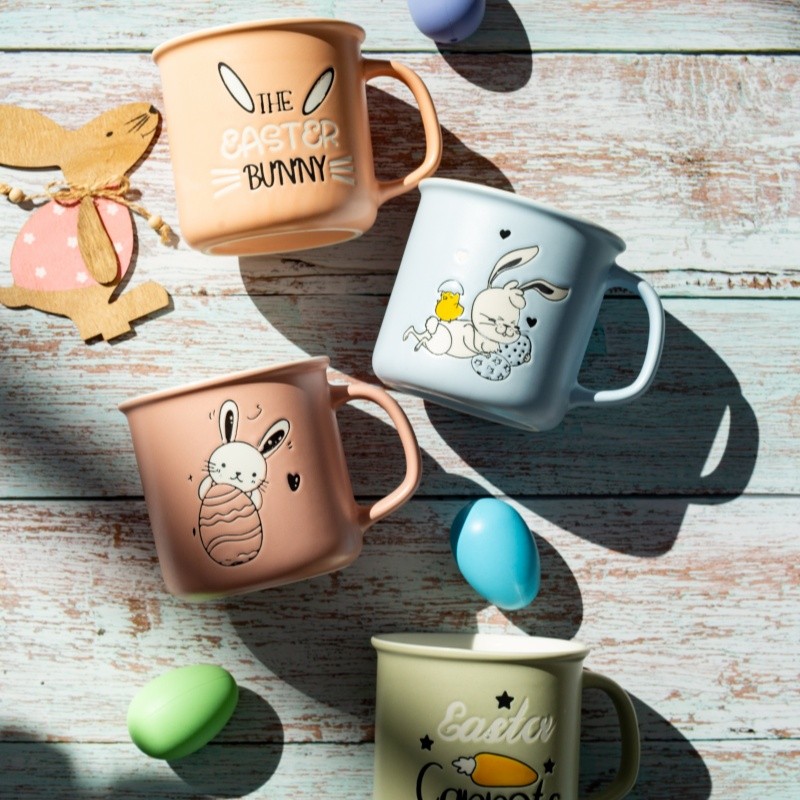
- Glaze Finishes: Glossy, matte, speckled, or reactive glazes a to create unique visual effects.
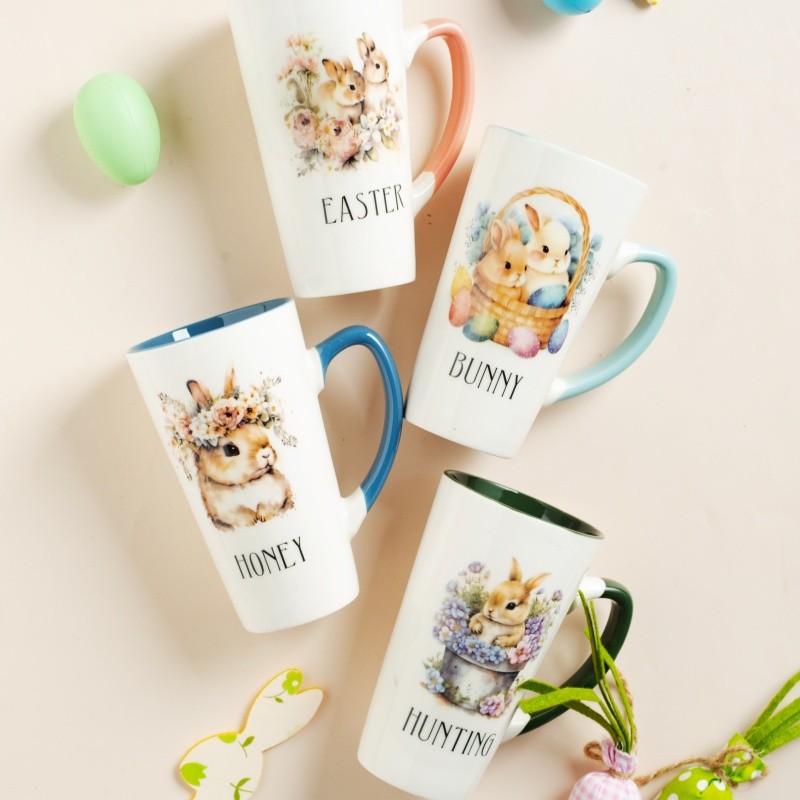
- Printing & Decals: Applying logos, patterns, or full-color images through methods like screen printing or sublimation.
- Embossing & Debossing: Creating a tactile, three-dimensional logo or design in the clay itself for a premium feel.
- Unique Handle Shapes: Designing custom handles that are both ergonomic and aesthetically distinct.
These customization techniques allow for the creation of unique promotional products, branded merchandise, or artisanal collections that stand out in a crowded marketplace.
The Science of Ceramic Drinkware: Balancing Form and Function
The design of a ceramic mug is a science that balances aesthetics with ergonomics and thermal dynamics. The form of a mug directly influences its function. For instance, a wide-mouthed mug allows a beverage to cool faster, which may be desirable for some drinkers, while a narrower opening helps retain heat and concentrate aromas, enhancing the sensory experience of a specialty coffee.
The handle is another critical element of functional design. An ergonomic handle should be large enough to accommodate several fingers, preventing them from touching the hot surface of the mug and distributing the weight evenly. The weight and balance of the mug itself contribute to the overall user experience; it should feel substantial but not cumbersome. The thickness of the walls also plays a role in heat retention, with thicker walls generally keeping drinks warmer for longer. A successful ceramic drinkware manufacturer masters this balance, creating products that are not only beautiful to look at but also a pleasure to use.
Mastering Glazes for Visual Appeal: A Ceramic Drinkware Manufacturer's Creative Handbook
Glaze is the soul of ceramic drinkware. It transforms a simple clay body into a work of art, providing color, texture, and personality. For a manufacturer, mastering the art and science of glazes is essential for creating products that captivate the eye and stand out on the shelf. This section explores the role of glazes in aesthetics, the different types available, and the innovative techniques that can elevate your designs.
The Role of Glazes in Ceramic Aesthetics
At its core, a ceramic glaze is a layer of glass fused to the clay body during firing. Its primary functional purpose is to make porous ceramics, like earthenware, waterproof and food-safe. However, its aesthetic role is just as important. The glaze is the first thing a consumer sees and touches, and it defines the product's character.
Glazes can create an endless variety of finishes:
- Glossy Glazes: Offer a classic, shiny surface that reflects light and makes colors appear vibrant.
- Matte Glazes: Provide a non-reflective, modern finish with a soft, sophisticated feel.
- Satin Glazes: A popular intermediate between glossy and matte, offering a subtle sheen.
- Reactive Glazes: Contain elements that react during firing to create unique, often multicolored and unpredictable patterns, ensuring no two pieces are exactly alike.
The choice of glaze can dramatically alter the perception of a mug's shape and color, turning a simple form into a dynamic object.

Exploring Different Glaze Types and Application Techniques
The creative potential of glazes is expanded by the various application methods a manufacturer can employ. Each technique yields a different result, allowing for mass production of artisanal-style effects.
| Application Technique | Description | Best For |
|---|---|---|
| Dipping | The piece is fully submerged in a vat of glaze. | Creating a uniform, even coating. It is efficient for high-volume production. |
| Spraying | Glaze is applied with a spray gun, often in a specialized booth. | Achieving smooth, graduated color transitions or applying thin, even layers. |
| Painting/Brushing | Glaze is applied by hand with a brush. | Detailed decorative work, intricate patterns, and creating a handcrafted, artistic look. |
| Sponging/Splattering | Glaze is applied with a sponge or by flicking it onto the surface. | Creating textural effects and abstract, dynamic patterns. |
Combining these techniques can produce even more complex and visually interesting results. For example, a base coat can be applied by dipping, followed by hand-painted details or a contrasting splatter effect. Mastering these methods allows a manufacturer to offer a diverse and appealing product range.
The Innovation of Color-Changing Glazes
One of the most captivating innovations in ceramic drinkware is the use of color-changing glazes. These mugs, often called "magic mugs," are coated with a special thermochromic glaze. At room temperature, the glaze is a solid, opaque color (usually black), hiding a printed image or message underneath. When a hot liquid is poured into the mug, the heat activates the thermochromic pigments, causing the glaze to become transparent and revealing the hidden design.
This technology works because the thermochromic dyes are encapsulated in microcapsules that change from opaque to clear when they reach a certain temperature. As a manufacturer, offering color-changing mugs provides a unique selling proposition, perfect for promotional items, gifts, and novelty products. The "reveal" effect creates a moment of surprise and delight for the user, making the product highly memorable and shareable.
Crafting Optimal Shapes and Preventing Defects: A Ceramic Drinkware Manufacturer's Engineering Guide
The shape of a ceramic mug is where art meets engineering. A well-designed shape not only looks appealing but also enhances the simple act of drinking. However, the journey from a block of clay to a perfectly formed, durable mug is fraught with technical challenges. This section covers the principles of ergonomic design, the impact of shape on user experience, and the crucial steps for preventing common manufacturing defects like cracking.
Designing Ergonomic and Stylish Ceramic Drinkware Shapes
Ergonomics is the science of designing objects to fit the human body, and in drinkware, it's paramount. The goal is to create a mug that is comfortable and intuitive to hold and use. The handle is the most critical ergonomic component. A poorly designed handle can cause discomfort or even strain. Key principles for ergonomic handle design include:
- Sufficient Space: The loop should be large enough for two or three fingers to pass through, preventing knuckles from pressing against the hot mug body.
- Comfortable Grip: The curves and thickness of the handle should fit naturally in the hand without sharp edges or awkward pressure points.
- Proper Balance: The handle should be positioned to balance the weight of the mug when it's full, reducing wrist strain.
Beyond the handle, the overall shape should feel stable and be easy to pick up and set down. While style is subjective, designs that successfully merge aesthetic appeal with ergonomic principles often become timeless classics.
Why Shape Matters: Enhancing the User Experience
The shape of a mug does more than just hold liquid; it actively shapes the user's experience by influencing taste, aroma, and temperature.
- Aroma: Much like a wine glass, the opening of a mug can concentrate or disperse the aroma of the beverage. A narrower opening traps aromatic volatiles, intensifying the scent of coffee or tea, which is a major component of a flavor.
- Heat Retention: The surface area-to-volume ratio affects how quickly a drink cools. Tall, narrow mugs have less surface area exposed to the air and will keep drinks warmer for longer, while wide, open bowls cool them down faster. The thickness of the ceramic walls also contributes significantly to insulation.
- Sip and Flow: The shape and thickness of the rim impact how the liquid flows into the mouth. A thin, slightly tapered rim can feel more refined and allows for a more controlled sip, whereas a thick, rounded rim provides a more rustic, substantial feel.
By consciously designing these elements, a manufacturer can cater to specific preferences, such as creating the perfect mug for an espresso aficionado or a large, heat-retaining mug for a slow sipper.
Common Causes of Cracking in Ceramic Blanks and Prevention
Cracking is one of the most frustrating and costly defects in ceramic production. It can occur at various stages, from drying to firing to cooling. Understanding the root causes is the first step toward prevention.
Common Causes of Cracks:
- Uneven Drying: If one part of a piece (like the rim or handle) dries faster than another (like the base), the resulting stress can cause cracks. This is especially common where a handle joins the body.
- Thermal Shock: Firing or cooling the ceramic too quickly can cause it to expand or contract unevenly, leading to stress fractures. This is a critical issue during the most volatile stages of the firing cycle.
- Inclusions and Air Pockets: Trapped air bubbles in the clay will expand dramatically when heated, causing the piece to crack or even explode in the kiln.
- Inconsistent Wall Thickness: A thick base connected to thin walls will dry and shrink at different rates, creating a point of stress where a crack is likely to form.
Prevention Strategies:
- Control Drying: Dry pieces slowly and evenly. Covering them loosely with plastic can help equalize the drying rate across the entire piece.
- Precise Firing Schedules: Use a programmable kiln to carefully control the rate of heating and cooling, especially during critical temperature ranges like quartz inversion (around 573°C).
- Proper Clay Preparation: Thoroughly wedge (knead) clay before use to remove all air bubbles and ensure a consistent texture.
- Uniform Construction: Strive for consistent wall and base thickness during the shaping process, whether on a potter's wheel or in a mold.
Implementing rigorous quality control at each stage is the most effective way for a manufacturer to minimize losses from cracking and ensure a consistently high-quality final product.
Prioritizing Food Safety and Sustainability: A Ceramic Drinkware Manufacturer's Ethical Pledge
In the modern marketplace, manufacturing is about more than just profit; it's about responsibility. As a ceramic drinkware manufacturer, our ethical pledge extends to ensuring the absolute safety of our products and minimizing our environmental impact. This commitment is not only a moral imperative but also a cornerstone of a trustworthy brand. This section navigates the complex landscape of food safety standards, certifications, material safety, and sustainable production practices.
Navigating Food Safety Standards for Ceramic Drinkware
Ceramic drinkware sold in the United States and other major markets is subject to strict regulations to protect consumers from harmful substances, particularly heavy metals like lead and cadmium. These metals have historically been used in glazes to create bright colors and a smooth finish.
- FDA Regulations: The U.S. Food and Drug Administration (FDA) sets strict limits on the amount of lead and cadmium that can leach from the food-contact surface of ceramicware. Products must be tested to ensure they fall well below these action levels.
- California Proposition 65: This regulation requires businesses to provide warnings to Californians about significant exposures to chemicals that cause cancer, birth defects, or other reproductive harm. Many ceramic products carry a Prop 65 warning if they contain even trace amounts of listed chemicals like lead, even if they meet FDA standards. It is crucial for manufacturers selling into California to understand and comply with these labeling requirements.
Adherence to these standards is not optional. It is a legal requirement that involves careful sourcing of raw materials (clays and glazes) and rigorous testing of finished products to ensure compliance.
The Importance of Certifications for Drinkware Blanks
For manufacturers who sell blank drinkware to decorators or other businesses, providing proof of safety is essential. This is where certifications come in. A certification from a reputable, independent third-party laboratory serves as verifiable proof that your products meet all required safety standards.
Holding certifications for being lead-free, cadmium-free, and FDA-compliant offers several key advantages:
- Builds Trust: It assures your B2B clients and end-consumers that your products are safe for everyday use.
- Reduces Liability: It provides documented proof of due diligence in the event of a safety inquiry.
- Provides a Competitive Edge: It positions your brand as a responsible and trustworthy partner in the supply chain.
Displaying these certifications on your website, in your catalogs, and on your packaging is a powerful marketing tool that demonstrates a transparent commitment to consumer health.
Material Safety: Choosing the Right Components for Health
True safety starts at the source: with the raw materials. A responsible manufacturer must meticulously vet the components of their clays and glazes to ensure they are inherently non-toxic and food-safe. This means partnering with reliable suppliers who can provide documentation and safety data sheets (SDS) for their products.
The focus should be on using modern, lead-free, and cadmium-free glaze formulations. While beautiful, certain vibrant reds, oranges, and yellows were historically difficult to achieve without lead, but today's ceramic science offers a wide range of safe alternatives. It's also important to ensure that the clay body itself does not contain harmful impurities. By choosing the right components from the start, you design safety into the product, rather than simply testing for toxins at the end. This proactive approach is the hallmark of a truly ethical manufacturing process.
Embracing Eco-Friendly Practices and Health Benefits in Production
Sustainability in ceramics manufacturing involves minimizing waste and reducing energy consumption. Eco-friendly practices not only protect the environment but can also lead to cost savings and appeal to an increasingly conscious consumer base.
Key sustainable practices include:
- Recycling Clay: Unfired clay scraps (greenware) can be reclaimed, mixed with water, and reused, minimizing waste.
- Water Conservation: Implementing water recycling systems in glaze booths and for clay clean-up can significantly reduce water usage.
- Energy Efficiency: Using modern, well-insulated kilns and firing full loads optimizes energy consumption, which is the most significant environmental impact of the ceramic process.
- Sourcing Local Materials: Reducing the transportation footprint by sourcing clays and other materials from local or regional suppliers where possible.
Furthermore, ceramic itself offers health benefits as a material. It is an inert substance, meaning it doesn't leach chemicals or flavors into beverages. Unlike plastics, it doesn't contain BPAs or phthalates. By producing safe, durable, and reusable ceramic drinkware and adopting sustainable practices, you offer a product that is not only good for your customers but also for the planet.
Frequently Asked Questions (FAQ)
1. What is the main difference between stoneware and porcelain mugs?
The primary differences between stoneware and porcelain lie in the clay composition, firing temperature, and final properties. Porcelain is made from a more refined clay mixture, often including kaolin, and is fired at very high temperatures (1200°C to 1400°C). This process makes it extremely dense, non-porous, and strong, often allowing for thinner, more delicate, and slightly translucent designs. Stoneware is made from a different type of clay and is fired at a medium-high temperature (1200°C to 1300°C). It is also vitrified and non-porous, making it very durable and chip-resistant. While porcelain is often seen as more elegant, stoneware is celebrated for its earthy, robust feel and is a workhorse for everyday use with excellent heat retention.
2. Are all ceramic mugs microwave and dishwasher safe?
Not necessarily. While most high-quality stoneware and porcelain mugs are designed to be microwave and dishwasher safe, it's not a universal rule. Safety depends on the clay body and, crucially, the glaze. Some glazes, especially those with metallic lusters or decals, are not microwave safe as the metal can arc and cause sparks. Similarly, some delicate, hand-painted mugs may not be suitable for the harsh detergents and high heat of a dishwasher. As a manufacturer, it is essential to test products for this functionality and clearly label them as "Microwave Safe" or "Dishwasher Safe" to guide consumers properly.
3. How can I be sure a ceramic mug is food-safe?
A food-safe ceramic mug is one that will not leach harmful chemicals, like lead or cadmium, into its contents. The best way to be sure is to buy from reputable manufacturers who explicitly state their products are food-safe and comply with FDA regulations. Look for certifications or statements like "Lead-Free," "Cadmium-Free," or "FDA Compliant." A properly fired glaze that is smooth and free of defects like crazing (a network of fine cracks) is a good sign, as these cracks could potentially harbor bacteria or, in older ceramics, expose the underlying clay. Avoid using antique, decorative, or unverified ceramics for food and drink unless their safety can be confirmed.
4. What causes those tiny cracks (crazing) in the glaze of some mugs?
Crazing is a network of fine cracks that can appear in the glaze surface. It occurs when the clay body and the glaze shrink at different rates during cooling after being fired. If the glaze contracts more than the clay body, it is put under tension and cracks. While sometimes done intentionally for a decorative "crackle" effect, unintentional crazing is considered a defect. It can compromise the mug's impermeability and create a place for bacteria to grow if it's deep enough to expose the porous clay underneath, though this is less of a concern in fully vitrified stoneware or porcelain. High-quality manufacturing involves carefully matching the coefficient of expansion between the glaze and the clay body to prevent this issue.
5. Why are some mugs so much better at keeping coffee hot?
A mug's ability to retain heat depends on several factors: material, thickness, and shape. Ceramic materials like stoneware are naturally good insulators. Thicker ceramic walls provide more insulation than thin walls, slowing heat transfer from the liquid to the outside air. The shape also plays a significant role. A tall, narrow mug with a smaller opening has less surface area exposed to the air, which reduces heat loss through evaporation and convection compared to a short, wide-mouthed mug. A lid, of course, is the most effective way to retain heat. Therefore, a mug designed for maximum heat retention will typically be made of thick stoneware or porcelain with a relatively narrow opening.
As a long-time ceramic drinkware manufacturer, I've learned that enduring success is forged from an unwavering commitment to quality, safety, and innovation. When we meticulously refine our glazes for beauty and durability, engineer our shapes for comfort and function, and adhere strictly to all food safety regulations, we do more than just build a stronger brand—we build lasting consumer trust.
I urge every manufacturer in our industry to champion these core principles. Let us collectively strive to create ceramic drinkware that is not only visually stunning and a joy to use but also impeccably safe and sustainably produced. By doing so, we ensure our craft continues to enrich lives for generations to come, one perfect mug at a time.