Ceramic Tableware Sets: Japanese vs Chinese vs Western Styles Compared
Ceramic Tableware Sets: Japanese vs Chinese vs Western Styles Compared
Tableware sets are where a restaurant's identity meets the table. A set is not just a collection of plates and bowls; it is a visual system that tells the customer what kind of dining experience to expect, before the first dish arrives. The three great traditions of ceramic tableware, Japanese, Chinese, and Western, each have a distinct design language, material culture, and set composition, and each fits different restaurant concepts, different menus, and different markets. This guide compares the three styles across design philosophy, materials, glazes, typical set contents, and cost, and closes with practical advice on choosing the right style for your concept and sourcing a custom set that matches your brand.
Japanese Tableware: Wabi-Sabi and the Art of Asymmetry
Japanese tableware is built on the aesthetic of wabi-sabi: beauty in imperfection, asymmetry, and natural materials. Sets are rarely uniform; plates and bowls vary slightly in shape, glaze, and finish, and this variation is the point, not a defect. The color palette leans on earthy tones, matte and reactive glazes, and the natural color of the clay, with hand-finished textures that make each piece feel made rather than manufactured.
The typical Japanese set is smaller in piece count and more modular than its Western counterpart. Rice bowls, miso bowls, small side plates, and chopstick rests are the core, often supplemented with a teapot and teacups. The pieces are designed to be mixed rather than strictly matched, which gives operators flexibility and gives the table a curated, artisanal feel. Japanese sets fit concepts built on ramen, sushi, izakaya, and modern casual dining with an artisanal identity, and they photograph beautifully, which matters for social media-driven hospitality brands.
Chinese Tableware: Porcelain Heritage and Symbolic Decoration
Chinese tableware is rooted in the porcelain tradition, with the blue-and-white style, underglaze decoration, and symbolic motifs that have defined Chinese ceramics for centuries. The classic Chinese dinner set is organized around shared dining: plates for communal dishes, bowls for rice, and small dishes for condiments, reflecting a table culture where dishes are shared rather than plated individually.
The decoration carries meaning. Auspicious symbols such as the fu character, floral scrolls, dragons, and landscape scenes are not random patterns; they are wishes for prosperity and good fortune, and they make Chinese sets natural choices for celebratory dining, banquets, and restaurants serving traditional Chinese cuisine. The material is typically fine porcelain, with a smooth white body that makes the decoration the star, and the glaze is glossy and bright. For a restaurant that wants to signal heritage, authenticity, and occasion, a Chinese-style set is a powerful brand statement.
Western Tableware: Formal Composition and the Plated Course
Western tableware is organized around the individual place setting and the plated course. The Western set is built on a hierarchy of plates: dinner plate, salad plate, bread plate, soup bowl, and cup and saucer, each designed for a specific course and arranged in a standard order at each place. The design language ranges from classic white porcelain with gold or platinum rims to minimalist modern sets in matte stoneware, but the logic of the composed place setting is consistent across the range.
Western sets fit the largest range of concepts: formal fine dining with classic white and metallic accents, casual dining with rustic stoneware, and modern minimalist restaurants with clean, unadorned porcelain. The emphasis on uniform, matching pieces gives the tabletop a composed, professional look, and the standard course structure makes training and service easier. For international and hotel dining, Western-style sets are the default expectation, and they adapt well to plating-focused menus where the plate is the canvas.
Materials and Glazes at a Glance
The three traditions differ as much in material and glaze as in design, and the comparison below summarizes the practical differences for buyers.
| Aspect | Japanese | Chinese | Western |
|---|---|---|---|
| Typical body | Stoneware, coarse porcelain | Fine porcelain | Porcelain, bone china, stoneware |
| Glaze style | Matte, reactive, natural | Glossy, bright, underglaze | Glossy or matte, often uniform |
| Design principle | Asymmetry, wabi-sabi | Symbolic, auspicious motifs | Symmetric, course-based |
| Set logic | Modular, mix-and-match | Shared dining, communal | Individual place setting |
| Weight feel | Heavy, earthy | Light, refined | Medium, precise |
| Best fit | Ramen, sushi, izakaya, modern casual | Chinese cuisine, banquets, celebration | Fine dining, hotels, casual chains |
Cost and Durability Considerations
The three styles sit at different points on the cost and durability spectrum, and the right choice depends on your operation as much as your aesthetic. Japanese-style stoneware sets are typically heavier and more expensive to ship, but the rustic material is very durable and the aesthetic hides the minor wear that white porcelain shows quickly. Chinese porcelain sets are lighter and often less expensive per piece, but the bright glaze and white body show chips and scratches sooner, and the fine body needs careful handling. Western sets vary widely: classic bone china is the premium end, while standard porcelain and stoneware sets offer commercial-grade durability at practical prices.
Thermal behavior and service fit also differ. Stoneware, common in Japanese sets, retains heat and suits soup and noodle service. Fine porcelain, common in Chinese and Western fine-dining sets, is elegant but conducts heat quickly. For high-turnover operations, a set that stacks well, survives the dishwasher, and tolerates the occasional knock matters more than the aesthetic purity of the style, and every supplier should be asked for the durability and thermal shock data for the specific set.
Choosing the Style That Fits Your Concept
The style decision should follow the concept, not the other way around. A ramen shop that wants an artisanal, craft feel is best served by a Japanese-style set in matte stoneware, where the warmth of the bowl is part of the experience. A restaurant serving traditional Chinese cuisine, or a venue hosting banquets and celebrations, should lean on Chinese-style porcelain with symbolic decoration that signals heritage and occasion. A hotel, a fine-dining room, or a modern casual chain is best served by a Western-style set that gives a composed, professional tabletop and adapts to a menu of plated courses.
The market you serve matters too. If most of your customers come from a specific cultural background, a set that speaks their visual language builds immediate recognition and trust. If your venue is international, a neutral Western set with a subtle local accent is often the safest choice. And if your brand is built on photography and social media, the artisanal variation of Japanese-style and the bold motifs of Chinese-style sets both generate more visual interest than a uniform white set.
Custom Sets: Blending Tradition With Your Brand
Custom tableware sets let you take the visual language of a tradition and adapt it to your brand. The decoration is the primary lever: you can keep a Japanese matte body and add a subtle logo, take a Chinese porcelain set and commission a modern interpretation of a traditional motif, or build a Western set with your brand's color band on the rim. The body and glaze give you the second lever, letting you choose between stoneware, porcelain, and bone china to match your budget and your service model.
When commissioning a custom set, keep the composition in mind: a set is designed as a system, so the sizes and shapes of the pieces should relate to each other, and the decoration should work across the whole set rather than piece by piece. Confirm the set list in writing, including the number and sizes of each piece type, approve a physical sample of each piece, and keep the approved pieces as the reference for the production batch. The same rules of sampling, inspection, and approved reference pieces that apply to single products apply with even more force to a set, because a set multiplies the number of things that can go wrong.
Conclusion: The Set Is the Brand on the Table
Japanese, Chinese, and Western tableware sets are three complete design systems, each with its own material culture, set logic, and best-fit concepts. Japanese sets bring artisanal warmth and modular flexibility, Chinese sets bring porcelain heritage and symbolic meaning, and Western sets bring formal composition and professional uniformity. Choose the style that matches your concept and your market, adapt it to your brand through the body, the glaze, and the decoration, and source it with the same discipline of samples and inspection that protects every other piece of your tabletop. A set chosen this way is not just tableware; it is your brand on the table, at every service, for years.
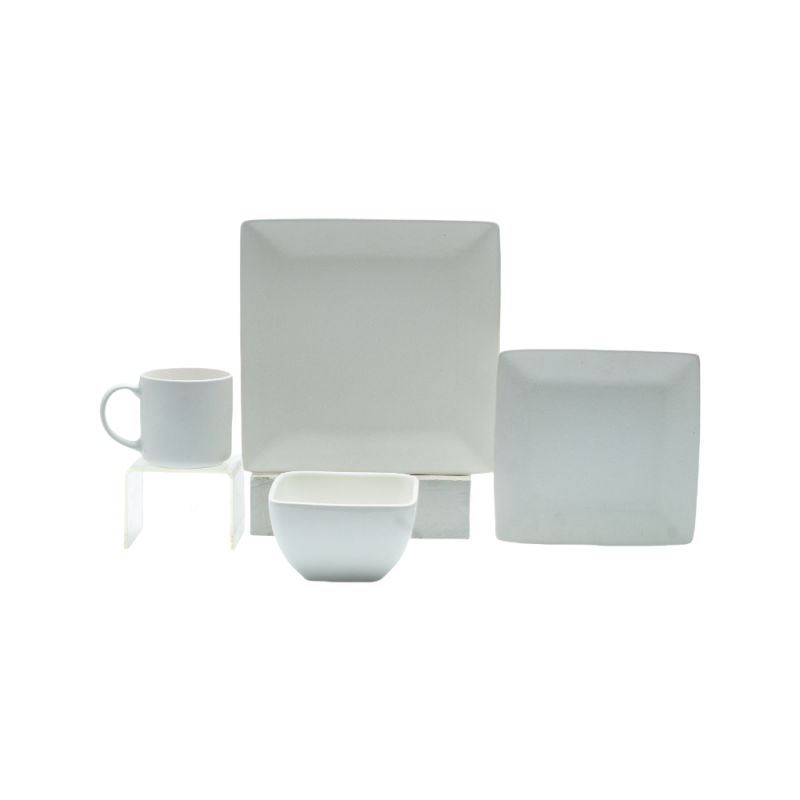
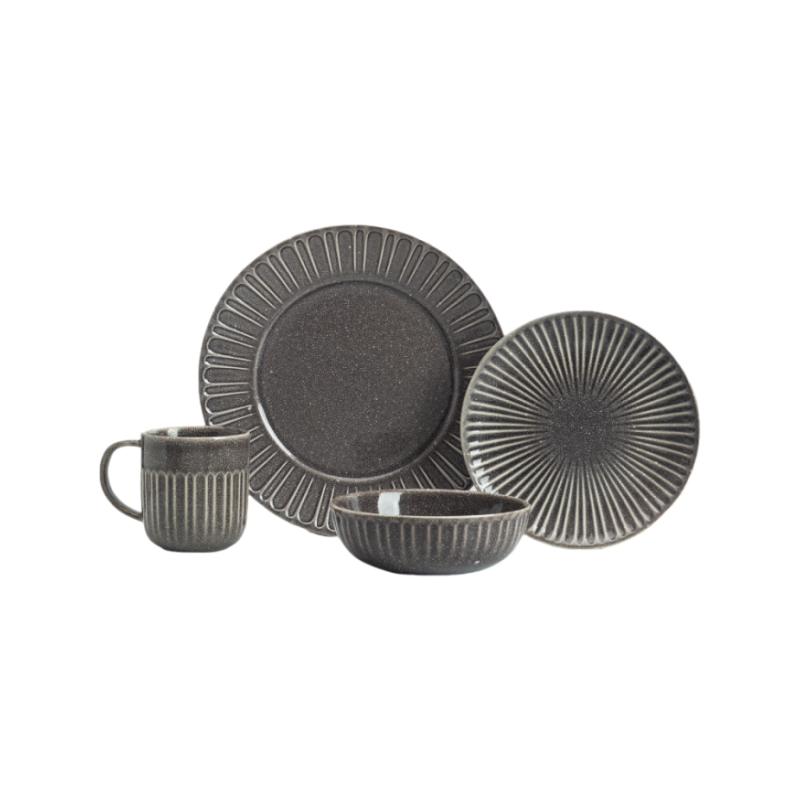
Ready to build a tableware set that matches your concept? Storiware customizes Japanese, Chinese, and Western ceramic tableware sets for restaurants, hotels, and wholesale buyers, with a full range of bodies, glazes, and decorations, physical sampling, and documented quality standards. The featured sets below are a great starting point, and our team will help you design the set that fits your brand.
Featured Ceramic Tableware Sets from Storiware
Explore products featured in this guide:
Need a custom quote? Send an inquiry or browse our full product catalog.