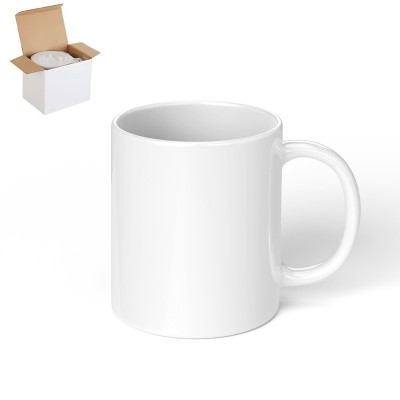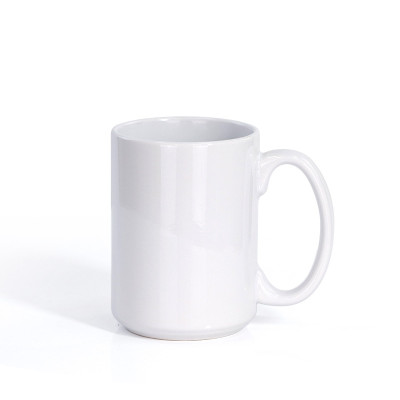
Everything You Need to Know About Selecting a Sublimation Mug Supplier
As a creator dedicated to crafting personalized products, I've found that sublimation printing is an unparalleled method for bringing vibrant, detailed designs to life on items like coffee mugs. Through my journey, I've learned a critical lesson: achieving truly stunning, long-lasting results isn't just about the sophistication of my printer or the quality of my ink. The success of every project fundamentally depends on the quality of the sublimation blanks I use. This comprehensive guide will share my deep-seated insights on how to meticulously select the best sublimation mug supplier, ensuring every single mug you create is a masterpiece of color and durability.
What Defines Quality in a Sublimation Mug from Your Supplier?
When you're building a business or a passion around custom mugs, the mug itself is your canvas. A poor-quality canvas will inevitably lead to a disappointing masterpiece, no matter how skilled the artist. Understanding the specific attributes that constitute a "high-quality" sublimation mug is the first and most crucial step in evaluating any supplier. It's a game of millimeters and molecules, where the composition, coating, and consistency of the blank dictate the final outcome.
The Essential Role of Polymer Coatings and Materials
The magic of sublimation doesn't happen on the ceramic itself but on a specialized coating applied to it. This polymer coating is the invisible hero of the entire process. When heated, the sublimation ink turns into a gas and permeates this polymer layer, bonding permanently with it as it cools. The quality of this coating is non-negotiable.
A superior polymer coating, which should be a high-grade polyester, needs to be thick and uniformly applied. A thin or uneven coat will result in a print that looks faded, blotchy, or muted, as there isn't enough polymer to fully absorb the ink gas. Reputable suppliers invest in multi-layer coating processes to ensure a dense, even, and highly receptive surface. When vetting a supplier, don't be afraid to ask about their coating process. Do they use a spray-on or dipping method? How many layers are applied? A transparent supplier will have this information readily available.
The base material of the mug also matters. While ceramic is the most common and cost-effective choice, you'll also find sublimation blanks made from stainless steel, glass, and polymer. For ceramic mugs, the grade of the ceramic is important. "AAA" grade mugs, for example, typically signify a higher standard with fewer surface imperfections, a brighter white point for more accurate color reproduction, and a more robust structure. A premium ceramic base ensures the polymer coating adheres flawlessly and provides a pure white background, making your colors pop.
Heat Tolerance, Stability, and Print Durability Expectations
The sublimation process involves intense heat and pressure, typically around 400°F (200°C) for several minutes. A low-quality mug simply cannot withstand this thermal stress. Potential failures include:
- Cracking: The mug might develop hairline fractures or break entirely in the heat press due to poor ceramic quality or internal stresses from manufacturing.
- Discoloration: The non-coated parts of a poor-quality mug might yellow or brown under the heat, ruining the aesthetic.
- Coating Failure: The polymer coating itself might bubble, scorch, or lose its integrity, preventing a successful transfer.
A high-quality sublimation mug from a reliable supplier is engineered for thermal stability. It will endure the heat press cycle without any signs of degradation.
Furthermore, the durability of the final product is a direct reflection of the mug's quality. Your customers will expect to use their custom mugs daily. This means they must be:
- Dishwasher Safe: The polymer coating on a top-tier mug creates a permanent bond with the ink, making the image resilient to fading or peeling even after numerous cycles in a dishwasher. Suppliers often rate their mugs for a certain number of dishwasher cycles. Look for mugs rated for at least 1,000 or even 3,000 cycles for professional-grade assurances.
- Microwave Safe: The mug should be safe to use in a microwave without the image or the mug itself being damaged. This indicates that there are no metallic elements in the coating or the ceramic that could cause issues.
These durability features are a major selling point and a key indicator of a supplier's commitment to quality.
Assessing Surface Uniformity and Manufacturing Consistency
Imagine you order 100 mugs for a corporate client. If each mug is slightly different in size, shape, or surface quality, achieving consistent, professional results becomes a nightmare. This is why manufacturing consistency is paramount.
Surface Uniformity: Before you ever press a mug, inspect it closely. A quality blank should have a perfectly smooth, glossy surface, free from any blemishes. Common defects to watch out for include:
- Pinholes: Tiny pits or holes in the coating that will appear as white dots in your final print.
- Bumps or Debris: Small lumps or specks of dust trapped under the coating, which cause uneven pressure and print flaws.
- Uneven Coating: Areas that look less glossy or have a different texture, indicating the polymer layer is not uniform. These spots will transfer color differently, leading to a blotchy appearance.
Manufacturing Consistency: When ordering in bulk, consistency across the entire batch is critical.
- Dimensional Accuracy: Each mug should have the same height, diameter, and handle shape. Deviations can affect how the mug fits in your heat press and how your transfer wrap aligns.
- Color Uniformity: The "white" of the mugs should be consistent. A batch containing a mix of bright whites and off-whites will lead to inconsistent color output in your prints.
- Weight and Feel: A consistent weight and solid feel contribute to the perceived value of the final product.
A good supplier has stringent quality control measures in place to minimize these variations and ensure that the 100th mug you pull from the box is just as perfect as the first.
Verifying Safety and Certifications for Drinkware
When you sell a product that people will use for eating or drinking, safety is not a feature—it's a requirement. A reputable sublimation mug supplier must be able to provide proof that their products are safe for human use. This is a cornerstone of trust and professionalism.
Look for suppliers who can provide documentation for the following:
- FDA Compliance: In the United States, the Food and Drug Administration regulates materials that come into contact with food. Your supplier should confirm that their mugs meet FDA standards for food-grade items.
- Lead and Cadmium Free: This is one of the most critical safety assurances. High-quality ceramic ware is fired at temperatures that eliminate the risk of these heavy metals leaching into beverages. Insist on seeing test reports that certify the mugs are lead and cadmium free.
- California Proposition 65: This California law requires businesses to provide warnings about significant exposures to chemicals that cause cancer, birth defects, or other reproductive harm. A supplier whose mugs are Prop 65 compliant demonstrates a higher commitment to safety and transparency, as this often means they have gone the extra mile to ensure their products are free from a long list of harmful substances.
A supplier who is hesitant, dismissive, or unable to provide these certifications should be avoided at all costs. Your business's reputation and your customers' well-being depend on it.
How I Vet a Potential Sublimation Mug Supplier for Reliability
Finding a supplier is easy. Finding a partner—a reliable company that contributes to your success—requires a more methodical approach. Over the years, I've developed a vetting process that goes beyond the product itself to evaluate the supplier's business practices, support systems, and overall reliability. This process helps me forge long-term relationships and avoid costly mistakes.
Prioritizing Transparency, Support, and Clear Specifications
In a supplier relationship, what you don't know can hurt you. That's why I place the highest value on transparency and communication. A trustworthy supplier operates with clarity and is forthcoming with information.
Here’s what I look for:
Detailed Product Specifications: The product page shouldn't just say "11oz white mug." I expect to see detailed specifications:
- Material: e.g., "AAA Grade Ceramic"
- Dimensions: Precise height and diameter (e.g., 9.5cm height, 8.2cm diameter).
- Coating: Description of the sublimation coating used.
- Safety Info: Explicitly stated "Lead and Cadmium Free," "FDA Compliant."
- Durability: Dishwasher and microwave safety ratings (e.g., "Dishwasher safe for over 3,000 cycles").
- Recommended Press Settings: Providing starting points for time, temperature, and pressure shows they understand the sublimation process.
Accessible Customer Support: Before placing an order, I test their support channels. I’ll send an email or use the live chat with a few specific questions (like asking for a Prop 65 compliance report). Their response time, the knowledgeability of the staff, and their willingness to help are all telling. A supplier with excellent, responsive support is invaluable when you run into an issue.
Clear and Fair Policies: I scrutinize their shipping policies, return procedures, and damage claim processes before I even think about adding items to my cart. Are the policies easy to find and understand? Is the process for reporting a damaged shipment straightforward? This information tells me how they will behave after they have my money.
Identifying Red Flags: What to Avoid in a Sublimation Mug Supplier
Just as important as knowing what to look for is knowing what to avoid. I've learned to spot the warning signs of a potentially problematic supplier from a mile away. Ignoring these red flags can lead to wasted money, lost time, and immense frustration.
Here is my checklist of supplier red flags:
- Vague or Missing Information: If a supplier's website is sparse on details about their mugs, their policies, or their company, that is a major warning. Secrecy is not a trait of a trustworthy partner.
- Prices That Are Too Good to Be True: While everyone loves a bargain, an exceptionally low price on sublimation mugs is often a direct indicator of poor quality. This could mean a thin coating, low-grade ceramic (often called "B" or "C" grade), or a lack of any safety testing. You will pay the price later in failed prints and unhappy customers.
- Lack of Verifiable Reviews: If I can't find any independent reviews for the supplier or their products outside of their own website, I’m cautious. I actively search forums, social media groups, and review sites to see what other printers are saying.
- No Safety Documentation: If a supplier cannot or will not provide safety certifications for their drinkware, it is an automatic disqualification. This is a non-negotiable aspect of professional responsibility.
- Poor Communication: If they are slow to respond to pre-sales questions, or their answers are evasive and unhelpful, you can expect the same (or worse) level of service once you're a customer with a problem.
- Unprofessional Website: A poorly designed, difficult-to-navigate website with broken links and grammatical errors can be a sign of a less-than-professional operation.

My Protocol for Small Batch Quality Assurance Before Bulk Orders
I never commit to a large inventory purchase from a new supplier without first conducting a rigorous, hands-on quality assurance test. Committing to a bulk order based on website pictures and descriptions alone is a recipe for disaster. My testing protocol is a small investment that provides massive peace of mind.
Here is the step-by-step process I follow:
- Order a Sample Case: I start by ordering the smallest case of mugs available (typically 12 or 36 units). This allows me to assess the shipping quality and test a representative sample.
- Initial Visual Inspection: Upon arrival, I inspect the packaging. Was it adequate? Were there any breakages in transit? Then, I unbox every single mug and inspect it under bright light. I check for the surface flaws mentioned earlier: pinholes, bumps, chips, and coating inconsistencies. I also check for dimensional consistency. Do they all look and feel identical?
- The Press Test: I select a few mugs from the batch for a standardized press test. My test design is specifically made to challenge the mug. It includes:
- A solid black area to test for a deep, rich black.
- A gradient to check for smooth color transitions.
- A photo of a person to check skin tones.
- Fine lines and small text to test for sharpness and bleeding.
- A vibrant color block to assess saturation.
- Performance Evaluation: After pressing and cooling, I critically evaluate the results. Are the colors vibrant and accurate? Is the black truly black? Is there any ghosting or unevenness? I compare the final product to my on-screen design.
- The Durability Gauntlet: A successful print is only half the battle. I then subject a test mug to a durability test. I'll run it through my home dishwasher multiple times. I'll use it in the microwave. I'll even try to scratch the image with a fingernail to test the coating's resilience. The print should not fade, peel, or scratch.
Only after a supplier's mugs have passed this comprehensive evaluation do I consider them a viable partner. If their sample batch proves to be of high quality and the results are stunning, I then feel confident proceeding. At this point, it's time to build a relationship and to Get the best price for Sublimation mug orders in bulk.
Solving Common Sublimation Mug Failures with the Right Supplier's Blanks
If you've been in the sublimation game for any length of time, you've likely encountered the frustrating trio of common failures: faded colors, peeling images, and ghosted prints. While many tutorials focus on troubleshooting your printer, ink, or technique, the root cause often lies with the quality of your blank mugs. Choosing a superior supplier is a proactive measure that can often solve these problems before they even start.
Preventing Fading and Muted Colors
The Problem: You press a mug with a beautiful, vibrant design, but the final result looks dull, washed-out, and lifeless. The colors lack the punch and saturation you see on your screen.
The Cause: This is one of the most common symptoms of a low-quality sublimation blank. The culprit is almost always an inadequate polymer coating.
- Thin Coating: If the polyester coating is too thin, there isn't enough polymer to absorb the gaseous ink. The ink has nowhere to go, so much of it stays on the paper, resulting in a weak transfer.
- Poor Quality Polymer: Not all polymer coatings are created equal. Low-grade polymers may not have the right chemical composition to bond effectively with sublimation inks, leading to poor color reception.
- Inconsistent Application: If the coating is uneven, you’ll get blotchy results where some areas are vibrant and others are muted.
The Supplier Solution: A top-tier supplier provides mugs with a thick, dense, and evenly applied A-grade polymer coating. This high-receptivity surface acts like a sponge for sublimation ink gas, locking in the maximum amount of dye. The result is deep, rich blacks, vibrant and accurate colors, and an overall professional, high-contrast look that simply can't be achieved on a cheap blank. When your colors pop, it's a clear sign your supplier invests in a superior coating process.
Combating Peeling, Cracking, and Delamination Issues
The Problem: After pressing, or worse, after a few washes, the sublimated image begins to peel at the edges, crack, or even flake off entirely. This is known as delamination.
The Cause: This is a catastrophic failure that points directly to a fundamental flaw in the mug's manufacturing. It indicates a weak bond between the polymer coating and the ceramic substrate.
- Improper Surface Preparation: Before the coating is applied at the factory, the ceramic must be perfectly clean. If there was dust, oil, or other contaminants on the mug, the coating will not adhere properly.
- Incorrect Curing: The polymer coating must be cured at a specific temperature for a specific time to create a strong, cross-linked bond with the mug. A rushed or poorly controlled curing process results in a weak coating that is prone to failure.
- Low-Grade Adhesives/Polymers: Some manufacturers of cheap mugs may use inferior polymers or bonding agents that simply lack the durability to withstand washing and regular use.
The Supplier Solution: A reliable supplier understands that the durability of the coating is just as important as its ability to accept ink. They use high-grade polymers and have strict quality control over their entire manufacturing line, from cleaning the raw ceramic to the final curing of the coating. Their mugs are engineered to ensure the image becomes a permanent, integral part of the mug's surface. When you choose a supplier who guarantees their mugs are dishwasher-safe after thousands of cycles, you are choosing a partner who has solved the delamination problem at the source.
Eliminating Ghosting and Uneven Transfer Problems
The Problem: Your print has a faint, blurry "ghost" image next to the main design, or the transfer is patchy and uneven, with lighter or darker spots.
The Cause: While user error (like the transfer paper shifting or uneven pressure in your press) can cause ghosting, the mug itself can be a major contributing factor, especially with uneven transfers.
- Surface Imperfections: Microscopic bumps or pits on the mug's surface can create tiny gaps where the transfer paper doesn't make perfect contact. This results in an incomplete transfer in those spots.
- Inconsistent Shape: If a mug isn't perfectly cylindrical, your heat press will not be able to apply perfectly even pressure all the way around. Areas with less pressure will receive less heat and will look lighter, creating a patchy effect.
- Uneven Coating Thickness: As discussed, an uneven coating will absorb ink inconsistently, leading to a splotchy transfer even if your pressure and heat are perfect.
The Supplier Solution: A premium supplier obsesses over consistency. They provide mugs that are not only uniformly coated but also dimensionally perfect. They use high-quality molds and manufacturing processes to ensure that every mug is perfectly cylindrical and free of surface defects. By providing a truly uniform and flawless canvas, this type of supplier eliminates the variable of the mug itself, allowing you to focus on perfecting your pressing technique. If you're still getting uneven results with a perfectly manufactured mug, you can be much more confident that the issue lies in your equipment or process, making troubleshooting far easier.
| Common Failure | Caused by Low-Quality Blank | Solution from a High-Quality Supplier |
|---|---|---|
| Faded, Muted Colors | Thin or poor-quality polymer coating that doesn't absorb ink. | Provides mugs with a thick, dense, A-grade polymer coating for maximum ink saturation and vibrancy. |
| Peeling, Cracking Image | Poor adhesion of the coating to the ceramic due to factory errors. | Ensures proper surface prep and curing for a permanent coating bond, guaranteed to be dishwasher-safe. |
| Ghosting & Unevenness | Surface imperfections (pits, bumps) and inconsistent mug shape. | Delivers dimensionally perfect, cylindrical mugs with a flawlessly smooth surface for even heat and pressure. |
Post-Purchase Practices to Maximize Your Sublimation Mug Supplier Engagement
Choosing a great supplier is a huge victory, but the partnership doesn't end when the delivery truck pulls away. How you handle, store, and prepare your sublimation blanks can significantly impact your final results and the efficiency of your workflow. Adopting professional post-purchase practices ensures you get the maximum value from your inventory and maintain a smooth, productive relationship with your supplier.
Optimizing Storage and Handling of Received Blanks
You’ve just invested in several cases of high-quality sublimation mugs. The worst thing you can do is store them improperly, as this can introduce variables that ruin prints and waste inventory.
- Keep Them Clean and Dry: The number one enemy of a pristine sublimation blank is moisture. Humidity in the air can be absorbed by the polymer coating, which can interfere with the sublimation process and cause blotchy, uneven transfers. Always store your mugs in a climate-controlled, dry environment. Avoid damp basements or garages. Keeping them in their original cardboard boxes also helps to buffer them from atmospheric humidity.
- Avoid Dust and Debris: Dust is the second enemy. A single speck of dust on the mug's surface before pressing will result in a white, un-sublimated dot—a tiny but glaring imperfection. Keeping the mugs boxed until you are ready to use them is the best defense.
- Handle with Care: While mugs are robust, the pristine polymer coating can be scratched. Always handle mugs carefully. Don't stack them directly on top of each other without a protective layer. Store the boxes in a way that prevents them from being crushed or knocked over. A chip in the ceramic is an obvious defect, but a scratch in the coating can be a more subtle, yet equally print-ruining, issue.
Critical Pre-Press Preparation for Flawless Mugs
Even with the best mugs from the best supplier, a little bit of prep work right before you press is non-negotiable. This five-minute ritual is the final quality check that stands between a good mug and a perfect one.
- Inspect Again: Before you print your transfer, give the specific mug you're about to use one final visual inspection under bright light. It's the last chance to catch a tiny flaw you might have missed earlier.
- Lint-Roll Everything: Use a lint roller not just on the mug's surface but also on your heat press's platen and your workspace. This helps remove any stray fibers or dust particles that could otherwise find their way onto your mug.
- Wipe Down the Surface: Even if the mug looks clean, it can have invisible oils from your fingers or a light film of dust. Gently wipe the surface of the mug with a soft, lint-free cloth. For an extra level of clean, you can lightly dampen the cloth with isopropyl alcohol and wipe the mug down, then allow it to air dry completely before pressing. This ensures the surface is absolutely pure and ready to accept the ink.
- Pre-heat the Mug (Optional but Recommended): Some professionals advocate for pre-heating the mug in the press for 10-15 seconds. This can help drive off any residual moisture that might be in the coating, ensuring the most vibrant transfer possible.
This meticulous preparation ensures that the perfect blank you bought performs perfectly during the critical sublimation process.
Strategic Inventory Management and Understanding Return Policies
Managing your physical stock effectively is crucial for cash flow and production readiness. Simultaneously, having a clear understanding of your supplier's policies can save you from major headaches.
- Implement FIFO (First-In, First-Out): This is a basic inventory principle that is essential for sublimation blanks. Always use the oldest mugs you have in stock first. This ensures that no single batch sits on your shelf for an excessive amount of time, potentially being exposed to environmental factors, and keeps your stock rotated. It also means if a supplier ever changes their manufacturing slightly, you will cycle through the old stock before introducing the new, which helps with consistency.
- Know Your Burn Rate: Keep track of how many mugs you use per week or per month. This allows you to forecast your needs and place new orders before you run critically low, avoiding rush shipping charges or, even worse, running out of stock and being unable to fulfill customer orders.
- Read the Fine Print on Returns: Before you even place your first order, you should read and understand your supplier’s policy on returns, especially for damaged or defective goods.
- What is the time frame for reporting damage in transit? (Often 24-48 hours)
- What kind of proof do they require? (Photos of the box, the label, and the damaged items are standard)
- How do they handle defects found later (e.g., a pinhole you didn't spot until pre-press)?
- Do they offer a refund, credit, or replacement for defective products?
A good supplier will have a clear and fair policy. Understanding this policy allows you to act quickly and correctly if you receive a damaged shipment, turning a potential disaster into a minor, manageable inconvenience.
Key Takeaways for Choosing a Sublimation Mug Supplier
Selecting the right sublimation mug supplier is one of the most impactful decisions you can make for your custom-product business. It's a choice that directly influences the quality of your work, your production efficiency, and your bottom line. To ensure you forge a partnership that leads to success, it's essential to distill the extensive information into actionable principles. This section provides a concise summary of the most critical points to remember on your journey to finding the perfect supplier. These key takeaways should serve as your guiding checklist, helping you navigate the market with confidence and clarity.
- The Coating is Everything: The single most important factor in a sublimation mug's quality is its polymer coating. It must be thick, evenly applied, and made from high-grade polyester. This is what allows for vibrant, sharp, and permanent image transfers. A supplier who cannot speak in detail about their coating process is likely not a premium source. Your primary goal is to find a mug with a coating that acts as a perfect receptor for sublimation ink.
- Demand Proof of Safety: Never compromise on safety. Your supplier must be able to provide verifiable documentation proving their mugs are food-grade, FDA compliant, and free of harmful substances like lead and cadmium. Asking for certifications like California Proposition 65 compliance is a great way to gauge a supplier's commitment to safety and transparency. This is non-negotiable for protecting both your customers and your business's reputation.
- Consistency is the Mark of a Professional: A great supplier doesn't just send you one perfect mug; they send you hundreds of them. Look for consistency in every aspect of the product—from the dimensions (height, diameter) and color of the ceramic to the flawlessness of the surface. This manufacturing precision is crucial for repeatable, high-quality results, especially when filling large orders. Inconsistent blanks lead to inconsistent prints, which is a hallmark of an amateur operation.
- Vet the Supplier, Not Just the Mug: Your relationship is with the entire company, not just their product. Evaluate their business practices thoroughly. Prioritize suppliers who exhibit transparency with detailed product specs, offer responsive and knowledgeable customer support, and have clear, fair policies for shipping and returns. Avoid suppliers with vague websites, rock-bottom prices that seem too good to be true, and a lack of independent, positive reviews.
- Always Test Before You Invest: Never commit to a bulk purchase from a new supplier without conducting your own small-batch quality assurance protocol. Order a sample case, inspect every mug for physical flaws, and perform a rigorous press test with a challenging design. Follow up with durability tests like running the mug through the dishwasher. This initial investment of time and money is a powerful insurance policy against being stuck with a large quantity of unusable inventory.
Frequently Asked Questions (FAQs)
Navigating the world of sublimation supplies can bring up many questions. Here are detailed answers to some of the most common queries I encounter about selecting and working with sublimation mug suppliers, designed to provide further clarity and build your expertise.
1. What is the difference between an "AAA" grade and a "B" grade sublimation mug?
This grading system is a common way for manufacturers and suppliers to classify the quality of their ceramic mugs, primarily based on surface imperfections.
- "AAA" Grade: This is the highest standard. These mugs are expected to be virtually flawless. The surface should be perfectly smooth, with no pinholes, bumps, or discolorations. The polymer coating is applied evenly, and the shape is perfectly cylindrical. The ceramic itself has a bright, pure white color, providing the best possible canvas for vibrant prints. Reputable suppliers primarily offer this grade.
- "AA" Grade: This is a very good quality, but may have one or two extremely minor, hard-to-spot imperfections, such as a tiny pinhole on the bottom or a very slight surface variation that would not typically affect the main printable area.
- "A" or "B" Grade (and lower): These mugs will have noticeable flaws. You might find several pinholes, small bumps, slight discoloration in the ceramic, or visible inconsistencies in the coating. While they are cheaper, they are a gamble. You will likely experience a higher failure rate in your prints, with issues like white spots (from pinholes) or uneven transfers. For any professional work or product you intend to sell, sticking to AAA grade is highly recommended to ensure quality and consistency.
2. Can I use any white ceramic mug from a regular store for sublimation?
No, you absolutely cannot. This is one of the most common misconceptions for beginners. Sublimation is a chemical process that relies on the special polymer coating to work. A standard ceramic mug from a department store, no matter how high-quality the ceramic, lacks this essential polyester layer. If you try to sublimate on a regular mug, the ink has nothing to bond with. The image will either not transfer at all, or it will appear extremely faint and blurry, and it will wipe or wash off immediately. You must use mugs that are specifically sold as "sublimation blanks."
3. How can I tell if a sublimation coating is high-quality just by looking at it?
While the ultimate test is a press test, there are visual and tactile clues you can look for:
- High Gloss and Smoothness: A good coating should have a very high gloss, almost like a mirror. Run your fingers over the surface (after washing your hands to avoid oils); it should feel perfectly smooth, like glass.
- Absence of Blemishes: Under a bright light, tilt the mug and look for any imperfections in the coating itself. You are looking for a uniform sheen. Any areas that look dull, hazy, or have a texture like an orange peel are signs of an inconsistent or poor application.
- Check Inside and on the Handle: Sometimes, you can spot poor quality control by looking at areas where the coating shouldn't be. Is there overspray inside the mug or drips on the handle? This can indicate a sloppy manufacturing process.
Ultimately, the most reliable way to judge a coating is to sublimate on it. A quality coating will produce a vibrant, sharp image. The most telling sign is the richness of your blacks; cheap coatings often turn blacks into a muddy brown or gray.
4. Is it really safe to drink from a sublimated mug?
Yes, it is completely safe to drink from a properly sublimated mug that was sourced from a reputable supplier. Here's why: The sublimation process infuses the ink into the polymer coating. The image is not sitting on the surface like a sticker; it becomes part of the mug's surface layer. Furthermore, the polymer coating itself, when sourced from a quality manufacturer, is specifically engineered to be a food-safe, inert barrier. This is precisely why demanding safety certifications like FDA compliance and lead/cadmium-free test reports is so crucial. A supplier who provides these certifications is verifying that their final product, even after sublimation, is safe for daily contact with beverages.
5. My supplier's recommended press settings aren't working. What should I do?
This is a common and often frustrating situation. A supplier's recommended settings for time, temperature, and pressure are best viewed as a starting point, not an absolute rule. There are many variables that can affect the ideal settings:
- Your Equipment: Your specific model of heat press may have hot spots or its thermostat might not be perfectly calibrated. A reading of 400°F on your press might be 385°F or 415°F in reality.
- Your Environment: High humidity or a cold workshop can affect how quickly the mug heats up.
- Your Paper and Ink: Different brands of sublimation ink and paper can release gas at slightly different rates.
If the recommended settings aren't working, don't give up on the supplier just yet. Begin a methodical troubleshooting process. Change only one variable at a time. If the print is too light, try increasing the time by 15-second increments. If the colors are off or look burnt, try decreasing the temperature by 5-degree increments. Keep detailed notes of your tests. This process, often called "dialing in" your equipment, is a normal part of sublimation. If you are still having major issues, contact your supplier's support team. A good supplier should have the expertise to help you troubleshoot.
Ultimately, my success in the world of sublimation printing is deeply and inextricably linked to the quality of the blanks I use, and that journey always begins with an excellent, trustworthy sublimation mug supplier. It's a partnership where their commitment to quality directly enables my creative vision.
By focusing my energy on vetting material quality, demanding supplier transparency, and committing to a thorough testing protocol, I can confidently choose partners who not only provide a product but also help me create truly amazing, lasting items for my customers. This diligence is my best business practice.
Remember that investing the time and effort upfront to find the right sublimation mug supplier is an investment in your own success. It saves you from future headaches, wasted inventory, and the costs of failure. It ensures that every single mug you press has the potential to be a vibrant, durable, and cherished piece of art.