Everything You Should Know About Working with a Top Ceramic Mug Manufacturer
As we navigate the vast world of manufacturing, finding the right partner is paramount, especially when it comes to crafting a product as universally appreciated as a ceramic mug. Whether your business is planning a massive production run of 250,000 custom ceramic mugs designed for high-frequency use in a restaurant chain, or a smaller, specialized batch for a corporate gifting event, the goal remains the same: sourcing a high-quality product that represents your brand perfectly. This guide is designed to help you through the intricate process of selecting an exceptional ceramic mug manufacturer. We will share our deep industry insights on what to look for, the questions to ask, and how to ensure your vision for durable, aesthetically pleasing, and cost-effective ceramic mugs comes to life. Your choice of a manufacturing partner is one of the most critical decisions you will make, impacting everything from product quality and brand reputation to your bottom line.
Key Takeaways
For business leaders, procurement managers, and brand strategists, understanding the nuances of ceramic mug manufacturing is crucial for a successful product launch. This article provides a comprehensive roadmap, but here are the essential points to guide your decision-making process:
- Global Expertise is a Game-Changer: Don't limit your search geographically. The world's leading ceramic manufacturing hubs offer unparalleled scale, advanced technology, and cost-effectiveness that local producers may struggle to match. Specialization is key; a factory dedicated to ceramics will have the machinery, skilled labor, and supply chain efficiencies that a generalist manufacturer won't. This often translates to better quality control, more competitive pricing, and access to a wider range of materials and techniques.
- Specificity is Your Best Tool: The single most common cause of production errors is a lack of clear communication. Before you even contact a manufacturer, you must define your product down to the smallest detail. This includes the type of clay (e.g., stoneware, porcelain), capacity, exact dimensions, handle shape, glaze finish (matte, gloss), Pantone colors for logos, and even packaging requirements. A detailed technical pack with 3D renderings and precise measurements will prevent costly misunderstandings and ensure the final product matches your vision.
- Cost is More Than the Unit Price: A low per-unit cost can be misleading. A comprehensive budget must account for mold fees (which can be substantial for custom shapes), pre-production prototyping, shipping and freight, customs duties and tariffs, and third-party quality control inspections. A transparent and experienced manufacturer will help you map out these "hidden" costs upfront to avoid budget overruns and ensure a clear understanding of your total investment.
- Prototyping is Non-Negotiable: Never proceed to mass production without first approving a physical sample. A prototype allows you to assess the manufacturer's quality, test the mug's durability and feel, verify color accuracy, and make any necessary adjustments. While it adds a few weeks to your timeline, the value of holding a physical example of your product in your hands before committing to a full production run is immeasurable. It is your ultimate safeguard against a disappointing final delivery.
- Compliance and Quality Control are Paramount: Your ceramic mugs must be safe for consumer use. This means ensuring they pass essential safety tests for lead and cadmium content, such as those mandated by the FDA in the United States or an equivalent Prop 65 analysis. An experienced manufacturer will not only have these certifications but will also implement a robust internal quality control (QC) process that includes checks at every stage: raw material inspection, shaping, bisque firing, glazing, and final inspection before packing.
- Think Long-Term Partnership: The ideal manufacturer is not just a supplier; they are a partner in your growth. When vetting potential factories, assess their scalability. Can they handle your initial smaller order and then ramp up to mass production as your business grows? Look for manufacturers who are communicative, invested in your success, and willing to innovate. A strong, long-term relationship fosters trust, improves efficiency, and leads to continuous improvement in your product line.
Why Partnering with a Premier Ceramic Mug Manufacturer is Essential for Quality
The journey to a successful custom ceramic mug begins long before the clay is ever molded. It starts with a strategic decision: selecting a manufacturing partner who can translate your vision into a high-quality, durable, and cost-effective product. For businesses that rely on physical goods to represent their brand, the quality of those goods is non-negotiable. A flimsy, poorly printed, or easily chipped mug can do more harm to your brand image than no mug at all. This is why partnering with a premier ceramic mug manufacturer—one with proven expertise, scale, and a commitment to quality—is not just a logistical choice, but a critical business imperative. They bring to the table a depth of knowledge that covers material science, ergonomic design, and efficient production, ensuring your final product meets the highest standards of excellence.
Understanding the Global Landscape of Ceramic Mug Production
The ceramic industry is a global affair, with different regions specializing in various materials, techniques, and scales of production. A business looking to source custom mugs has a world of options, but understanding this landscape is key to making an informed choice. Factors like labor costs, access to raw materials, technological adoption, and shipping logistics all play a significant role in determining where you can find the optimal balance of quality, price, and reliability. For B2B clients requiring large volumes, looking beyond local potteries to global manufacturing centers is often essential to achieve the necessary scale and cost-effectiveness.
The Unmatched Scale and Expertise of Dedicated Ceramic Manufacturers
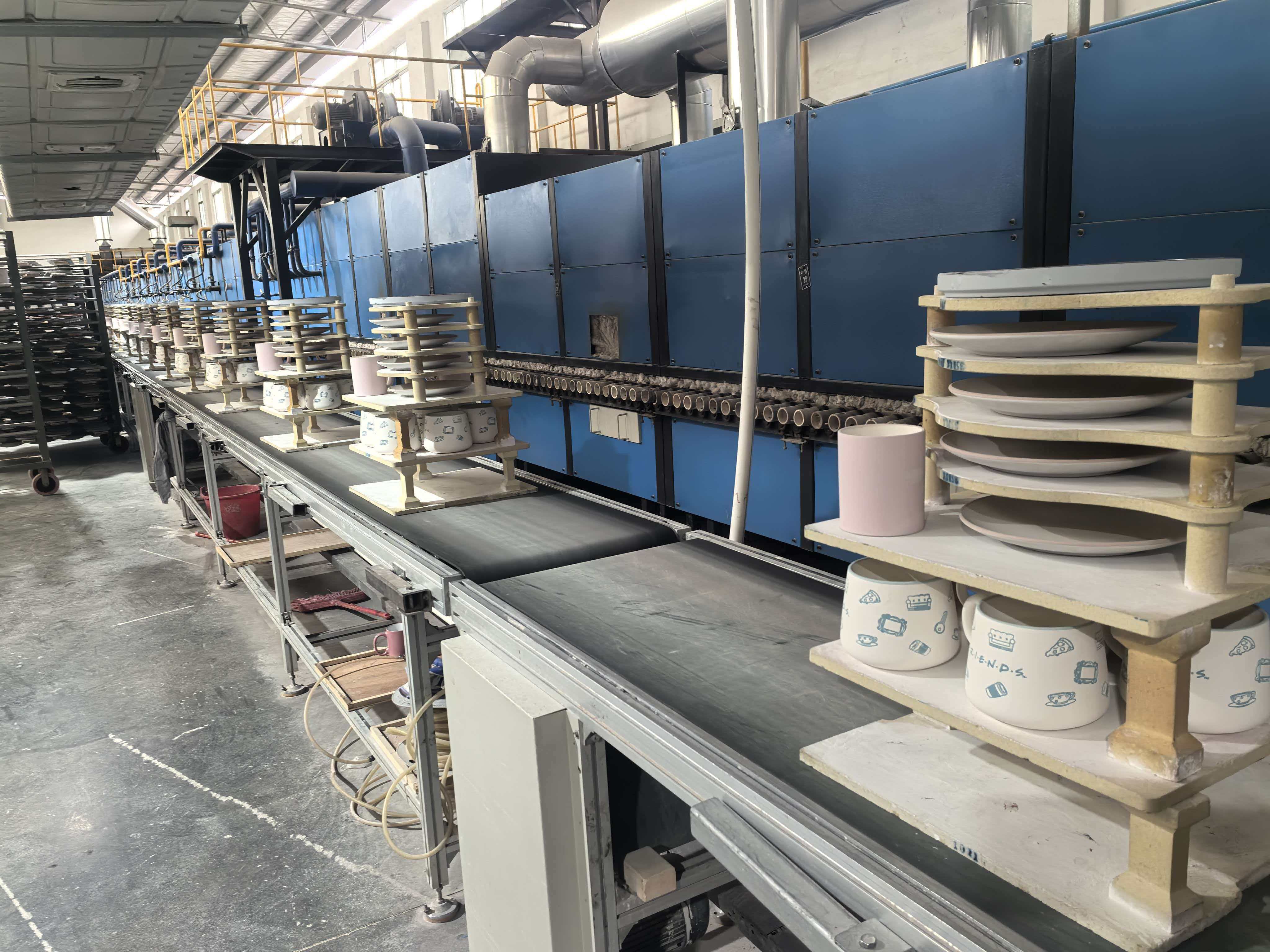
When your order involves tens or hundreds of thousands of units, you need a partner whose capabilities match your ambition. Dedicated, large-scale ceramic manufacturers operate on a completely different level than smaller, artisanal studios. Their factories are often equipped with advanced machinery, including automated molding systems, tunnel kilns for consistent firing, and robotic glazing arms, which ensure uniformity across massive production runs. This level of automation and specialization brings precision that is nearly impossible to replicate manually, reducing variations and defects.
Furthermore, these manufacturers possess a depth of institutional knowledge built over decades of production. Their teams include ceramic engineers, material scientists, and quality control experts who understand the intricate chemistry of clays and glazes. They know how to prevent common issues like cracking during firing, C-handle weaknesses, or glaze inconsistencies. This expertise allows them to troubleshoot problems proactively and optimize the production process for both durability and aesthetic appeal, ensuring that the 250,000th mug is as perfect as the first. This is the advantage of working with a focused, expert ceramic mug manufacturer instead of a generalist sourcing agent.
Achieving Cost-Effectiveness Without Compromising Ceramic Quality Standards
One of the most significant advantages of partnering with a top-tier international ceramic mug manufacturer is the ability to achieve substantial cost efficiencies without sacrificing quality. These manufacturers leverage economies of scale not only in their production processes but also in their raw material procurement. By purchasing clay, feldspar, silica, and other essential components in massive quantities, they secure much lower prices than smaller operations can.
This cost-effectiveness is passed on to you, the client. However, it's crucial to understand that this is not about cutting corners. In fact, premier manufacturers often adhere to more stringent quality standards. They implement rigorous quality control protocols at every stage, from testing the viscosity of the clay slip to inspecting the final glazed product for pinholes or other blemishes. They understand that for their B2B clients—be it a coffee chain, a hotel group, or a promotional products company—consistency and safety are paramount. They are adept at producing goods that meet international standards, such as FDA and Prop 65 requirements for lead and cadmium, ensuring the product is safe for consumers in target markets like North America and Europe. This combination of high-volume efficiency and strict quality assurance is the hallmark of a world-class manufacturing partner.
Customization and Durability: Key Demands We Place on a Ceramic Mug Manufacturer
For any business, a custom mug is more than just a vessel for coffee; it's a marketing tool, a piece of brand identity, and a functional item that needs to withstand daily use. Therefore, the demands placed on a manufacturer are twofold: they must be able to execute complex custom designs flawlessly, and they must guarantee a product that is durable and long-lasting. These two requirements are intrinsically linked, and a top-tier manufacturer knows how to balance intricate design with robust engineering to create a product that excels in both form and function.
Defining the Intricacies of Your Custom Ceramic Mug (Sizes, Materials, Design for High-Frequency Use)
The customization process goes far beyond simply printing a logo on a stock mug. True customization involves defining every aspect of the product. When we approach a manufacturer, our specifications are incredibly detailed:
- Capacity and Dimensions: We specify the exact volume (e.g., 12 oz, 16 oz) and the precise height, rim diameter, and base diameter.
- Material Selection: The choice between stoneware, porcelain, or bone china impacts the mug's weight, durability, and price point. We select the material that best suits the intended use and brand positioning.
- Shape and Handle: Is it a classic C-handle, a more modern D-handle, or a custom-molded shape unique to the brand? The handle's ergonomics and attachment point are critical for comfort and strength, especially for high-frequency use in cafes or offices.
- Glaze and Finish: We define the glaze type (e.g., matte, glossy, reactive), the exact Pantone color codes, and the application method. We might specify a debossed logo, a contrasting interior color, or a wax resist pattern.
For mugs intended for high-frequency use, such as in the hospitality industry, we work with the manufacturer to reinforce design elements. This could mean designing a thicker wall, a chip-resistant rim, or a more robust handle joint to ensure the mugs can withstand the rigors of commercial dishwashers and daily service.
The Critical Role of Materials and Design for Long-Lasting Ceramic Mugs
The longevity of a ceramic mug is determined by a combination of material science and intelligent design. A premier manufacturer understands this synergy. The choice of clay is the foundation. For instance, porcelain, fired at very high temperatures (typically above 1,200°C or 2,200°F), becomes vitrified, making it dense, non-porous, and exceptionally durable. Stoneware, while slightly more porous, is known for its earthy feel and excellent heat retention.
The design itself plays an equally crucial role. A well-designed mug will have a stable base to prevent tipping, a handle that is comfortable to hold and strong enough to support the weight of the liquid, and a smooth, even glaze that protects the underlying ceramic body. The glaze is not just for decoration; it creates an impermeable layer that makes the mug easy to clean and resistant to staining and bacterial growth. A reputable manufacturer will ensure the glaze is free of heavy metals like lead and cadmium, making it food-safe. They will also advise on design elements that could compromise durability, such as overly thin sections or sharp angles that are prone to chipping, guiding you toward a final design that is both beautiful and built to last.
Our Step-by-Step Guide to Selecting Your Ideal Ceramic Mug Manufacturer
Finding the right manufacturing partner can feel like searching for a needle in a haystack. The global market is filled with thousands of factories, each claiming to be the best. To navigate this complex landscape, a systematic approach is essential. This step-by-step guide is born from our own experience in sourcing high-quality ceramic goods. It's a process designed to minimize risk, ensure clarity, and build a foundation for a successful, long-term manufacturing partnership. Following these steps will help you move from a creative concept to a tangible, market-ready product with confidence.
Laying the Groundwork: Clearly Defining Your Product for a Ceramic Mug Manufacturer
You cannot find the right partner if you don't know exactly what you're looking for. The most critical phase of the selection process happens before you send a single email. It involves translating your idea into a detailed set of specifications that a manufacturer can use to provide an accurate quote and, eventually, a flawless product. Ambiguity at this stage is the root cause of production delays, cost overruns, and disappointing results. Being meticulously thorough upfront is the best investment you can make in the entire process.
Detailing Your Vision: From Clay Type and Glaze Finishes to Packaging
A comprehensive product definition, often called a "tech pack," should leave no room for interpretation. It is the blueprint for your product. Your tech pack should be a visual and written document that details every conceivable attribute of your mug. This includes:
- Technical Drawings: 2D or 3D CAD files with precise dimensions for height, diameter, handle placement, and wall thickness.
- Material Specifications: Clearly state the desired ceramic body—be it porcelain, stoneware, new bone china, or earthenware. Each has different properties, aesthetics, and costs.
- Glaze and Color: Specify the finish (matte, semi-matte, gloss) and provide universal color codes (e.g., Pantone Matching System - PMS) for all components, including the body, interior, and any decorative elements. If you want a reactive glaze, provide reference images.
- Artwork and Decoration: Provide vector files (e.g., .AI, .EPS) for any logos or graphics. Specify the application method: decal printing, direct printing, debossing (inward), or embossing (outward). Define the exact placement and size of the artwork.
- Packaging Requirements: How should the mugs be packed? Individual gift boxes? Bulk-packed with cardboard dividers? Do you need a specific barcode or warning label on the packaging? Detailing this from the start helps get an all-inclusive cost.
Creating this level of detail not only ensures you get accurate quotes but also signals to potential manufacturers that you are a professional and serious partner.
Avoiding Production Pitfalls with Precise Specifications and Visual Aids
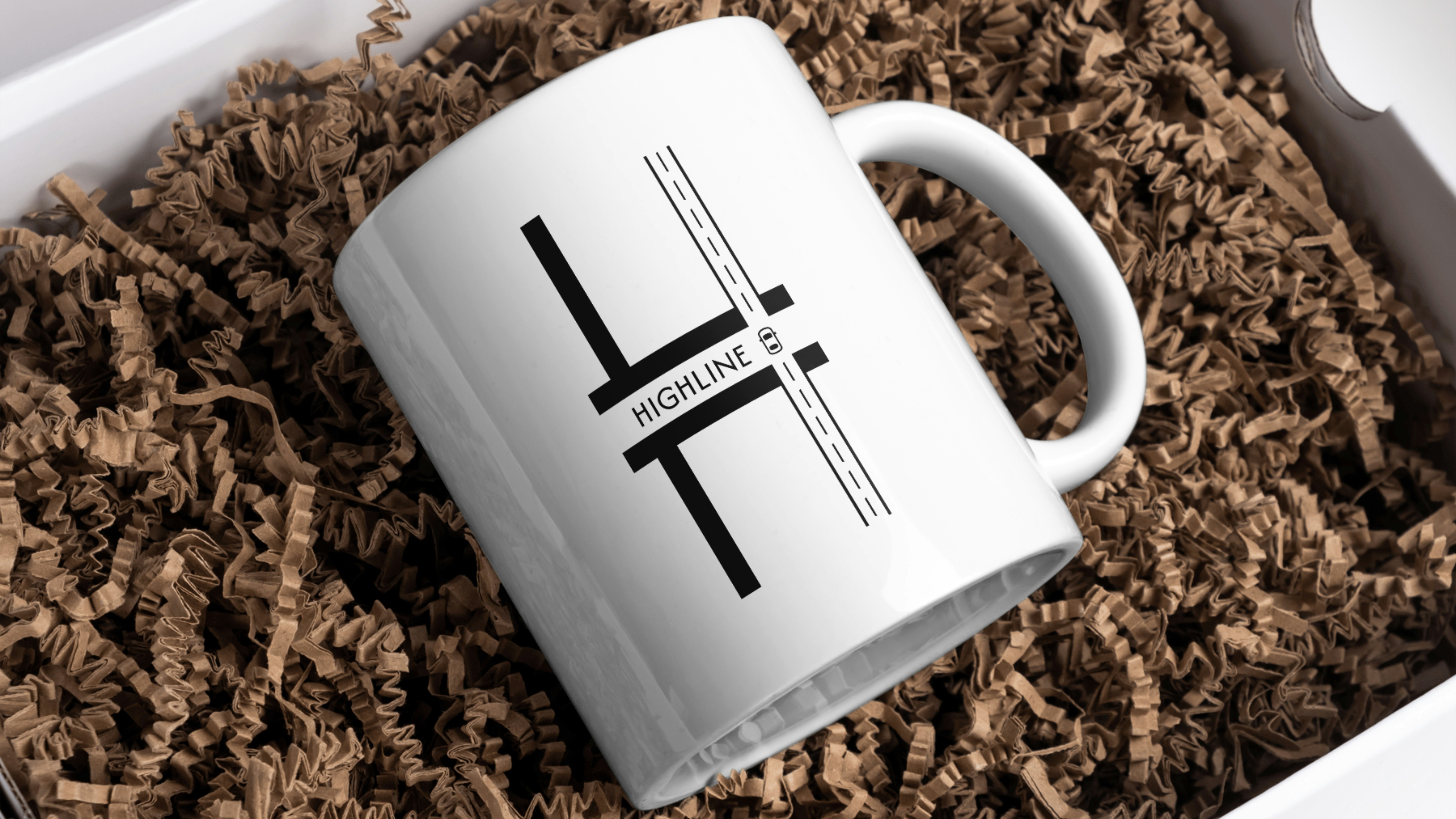
A picture truly is worth a thousand words, especially in manufacturing. Supplementing your written specifications with clear visual aids is non-negotiable. This is not the place for rough sketches. Use graphic design software or hire a designer to create professional mockups and renderings.
These visual aids serve several critical functions:
- Overcoming Language Barriers: A clear visual rendering is universally understood, transcending potential language difficulties between you and an international manufacturing team.
- Clarifying Complex Designs: For mugs with unique shapes, multi-color patterns, or precise logo placements, a visual mockup eliminates ambiguity. It shows the manufacturer exactly what you expect.
- Serving as a Contractual Reference: When included in your purchase order, these visuals become part of the legal agreement. If the final production does not match the approved rendering, you have a clear basis for rejection or rework.
By investing the time to create precise specifications and visual aids, you are proactively managing risk. You are replacing assumptions with facts, minimizing the chance of errors, and paving the way for a smoother production process from sampling to final delivery.
The Quest for the Perfect Ceramic Mug Manufacturer Partner
Once you have your detailed tech pack ready, the search for the right factory begins. This is not just about finding the cheapest price. It's about finding a partner that aligns with your quality standards, communication style, and business ethics. Vetting a manufacturer involves looking beyond their website and marketing materials to assess their true capabilities and reliability. This due diligence is crucial for building a resilient supply chain and a successful product line.
Key Indicators: Experience, Certifications, and Responsive Communication
When evaluating potential manufacturers, look for a combination of tangible proof and intangible qualities. Here are the key indicators of a trustworthy partner:
- Proven Experience: How long have they been in business? More importantly, can they show you examples of mugs similar to yours that they have produced for other clients? A factory that specializes in your desired style or material is a significant advantage. Ask for a portfolio or references.
- Essential Certifications: A reputable manufacturer targeting international markets will have key certifications. Look for ISO 9001 for quality management systems. Crucially, ask for social compliance audit reports like BSCI or Sedex, which ensure ethical labor practices. For the product itself, demand proof of food-grade safety certifications relevant to your market, such as FDA testing for the US or LFGB for Germany.
- Responsive and Clear Communication: This is perhaps the most critical, yet often overlooked, indicator. How do they handle your initial inquiry? Do they respond promptly? Is their English clear and professional? Do they ask intelligent questions about your project, or just provide a generic, low-effort price? A partner who communicates well from the start is more likely to be transparent and collaborative when issues inevitably arise during production. Slow, vague, or unprofessional communication is a major red flag.
The Irreplaceable Value of Prototyping with Your Chosen Ceramic Mug Manufacturer
After your initial vetting, you might have a shortlist of one or two promising manufacturers. Before you commit to a large production order, you must go through the prototyping (or sampling) stage. Never, under any circumstances, skip this step to save time or money. The prototype is your first and best chance to physically verify the manufacturer's ability to meet your specifications.
The prototyping process allows you to:
- Assess Quality: Hold the mug in your hands. Check the weight, the smoothness of the glaze, the strength of the handle, and the sharpness of the printed logo.
- Verify Specifications: Use calipers to check the dimensions against your tech pack. Verify the color against your Pantone swatches. Test the capacity.
- Test Durability: Perform simple tests. Does it feel sturdy? Does the glaze scratch easily? If it's meant to be microwave and dishwasher safe, you should test a sample under those conditions.
- Provide Feedback for Revisions: It is rare for a first prototype to be 100% perfect. The sample allows you to provide concrete, actionable feedback for minor adjustments before a single unit of your main order is produced.
The cost of a prototype (which can range from $50 to several hundred dollars, plus shipping) is a small insurance policy against the potentially disastrous cost of a failed production run of 10,000 units. It is an irreplaceable step in the journey to a successful product.
Mastering the Manufacturing Journey and Costs with an Experienced Ceramic Mug Manufacturer
Transitioning from selecting a partner to actively managing production is where the real work begins. This phase is dominated by two critical elements: managing the total cost of production and navigating the complex web of regulations and quality control. An experienced ceramic mug manufacturer acts as more than just a producer; they are a guide through this intricate process. Their expertise can help you anticipate hidden costs, ensure your product is legally compliant and safe, and implement a quality assurance program that protects your brand's reputation and your financial investment.
Calculating the True Cost of Production for Ceramic Mugs
One of the most common mistakes for newcomers to manufacturing is focusing solely on the per-unit price quoted by the factory. This figure is often just the tip of the iceberg. A successful project requires a comprehensive understanding of the Total Cost of Landed Product, which includes every expense incurred to get the product from the factory floor to your warehouse. A transparent and reliable manufacturing partner will be upfront about these associated costs and help you build a realistic budget.
Beyond Unit Price: Understanding the Full Financial Picture (Molds, Shipping, Tariffs)
To calculate the true cost of your ceramic mugs, you must account for a variety of ancillary expenses. A professional manufacturer will help you itemize these, but it's essential for you to understand them:
| Cost Component | Description | Estimated Impact |
|---|---|---|
| Mold Fees | For any custom shape, a new production mold is required. This is a one-time, upfront cost that can range from hundreds to several thousands of dollars depending on complexity. | High (One-Time) |
| Prototyping/Sampling | The cost to produce and ship pre-production samples for your approval. | Low to Medium |
| Shipping & Freight | The cost to transport goods from the factory to your destination port (sea freight) or directly to you (air freight). This is highly variable based on volume, weight, and market rates. | High (Variable) |
| Tariffs & Duties | Taxes imposed by your country's customs authority on imported goods. These are calculated as a percentage of the goods' value and vary by product type and country of origin. | Medium to High |
| Customs & Port Fees | Fees for customs brokerage, port handling, and inland transportation from the port to your warehouse. | Medium |
| Quality Control | Fees for a third-party inspection service to verify quality at the factory before shipment. | Low to Medium |
| Insurance | Cargo insurance to protect against loss or damage during transit. | Low |
Understanding this full financial picture is crucial. A product that seems cheap at $2 per unit can quickly become a $5 per unit reality once all these costs are factored in.
Strategic Cost Planning with a Reliable Ceramic Mug Manufacturer to Avoid Surprises
A trustworthy ceramic mug manufacturer will function as a strategic partner in managing these costs. Here’s how they can help:
- Transparent Quoting: They provide a detailed quote that breaks down costs, clearly stating what is included (e.g., "FOB price includes unit cost and standard export packaging") and what is not (e.g., "Mold fee and shipping are separate").
- Design for Manufacturability (DFM): During the design phase, an experienced manufacturer can suggest minor modifications to your design that can significantly reduce mold complexity or production time, thereby lowering costs without compromising the aesthetic.
- Optimizing Shipping: They can advise on the most cost-effective way to pack your order to maximize container space. For example, they might know that by slightly adjusting the mug's height, you can fit an entire extra layer in each master carton, reducing your per-unit shipping cost.
- Tariff Engineering Guidance: While they are not legal advisors, they may have experience with how products are classified. They can provide the correct HS (Harmonized System) code for your product, which is essential for accurately calculating tariffs.
By engaging in strategic cost planning with your manufacturing partner, you can move forward with a clear, predictable budget, avoiding the unpleasant financial surprises that can derail a project.
Navigating Regulations and Implementing Rigorous Quality Control with a Seasoned Ceramic Mug Manufacturer
A great design and a good price are meaningless if the final product is unsafe, illegal to import, or fails to meet your customers' quality expectations. This is where regulatory compliance and quality control (QC) become paramount. A seasoned manufacturer doesn't see these as obstacles, but as integral parts of the professional production process. They have the systems and knowledge in place to ensure your product is both safe for consumers and consistently well-made, protecting you from product recalls, legal liability, and brand damage.
Ensuring Compliance: Essential Safety Tests and Certifications for Ceramic Ware
Every ceramic item intended for use with food or beverages must meet strict safety standards regarding the leaching of heavy metals, particularly lead and cadmium. These substances are sometimes found in glazes and decorations, and regulatory bodies around the world set firm limits on their permissible levels.
Your manufacturer must be able to provide proof of compliance for your specific target market. Key regulations and tests include:
- FDA Compliance (USA): The U.S. Food and Drug Administration has stringent requirements. Your manufacturer should be able to provide test reports from a certified lab showing that their products pass FDA CPG Sec. 545.400 and 545.450.
- California Proposition 65 (USA): This is even stricter than the federal FDA standards and requires clear warnings if products contain chemicals known to the state of California to cause cancer or reproductive toxicity. Many clients now demand products that meet Prop 65 limits outright, avoiding the need for warning labels.
- LFGB (Germany and EU): For products sold in the European Union, compliance with Regulation (EC) No 1935/2004 is necessary, and the German LFGB is one of the most comprehensive standards under this framework.
A seasoned manufacturer will not hesitate when you ask for these certifications. They will have them on file or will be able to facilitate testing with an accredited third-party laboratory like SGS, Intertek, or TUV. Refusal or hesitation to discuss these compliance issues is an immediate and serious red flag.
Implementing Robust Quality Checks Throughout the Entire Production Process
Quality is not something that is inspected into a product at the end; it must be built in at every stage. A professional ceramic mug manufacturer has a multi-layered Quality Management System (QMS). While you can (and should) hire a third-party inspector for a final check, a good factory will already be doing the following:
- Incoming Quality Control (IQC): They inspect and test raw materials like clay and glaze chemicals upon arrival to ensure they meet their specifications.
- In-Process Quality Control (IPQC): They have checkpoints throughout the manufacturing line. This includes checking the greenware (unfired clay) for defects, monitoring kiln temperatures, and inspecting pieces after the first (bisque) firing.
- Post-Glazing Inspection: Workers check for even glaze application and ensure there are no drips, pinholes, or bare spots before the final firing.
- Final Quality Control (FQC): Before packing, every single mug is inspected for a final time. Inspectors look for a wide range of potential defects, such as cracks, chips, glaze crawling, color variations, handle alignment, and artwork imperfections. They will have clear standards for what constitutes an "A-grade" (acceptable) vs. "B-grade" (defective) product.
By partnering with a manufacturer who takes this comprehensive approach, you are ensuring that the products arriving at your warehouse have already passed through a rigorous gauntlet of checks, dramatically increasing the likelihood of a successful and high-quality final delivery.
Scaling Operations and Future-Proofing with a Leading Ceramic Mug Manufacturer
Your first successful production run is a milestone, but for a growing business, it's just the beginning. The next challenge is scaling your operations. Can your manufacturing partner grow with you? A truly valuable partner is one who not only meets your current needs but also has the capacity, technology, and strategic vision to support your future ambitions. Choosing a leading ceramic mug manufacturer means choosing a partner who can help you scale seamlessly, innovate your product line, and build a resilient, long-term competitive advantage.
Assessing the Production Capacity and Scalability of Your Ceramic Mug Manufacturer
Scalability is the ability of a manufacturer to efficiently increase its production output to meet your rising demand without a decline in quality or a significant increase in lead times. A factory that is perfect for a 5,000-piece trial order may not be equipped to handle a 100,000-piece rollout. Assessing scalability requires looking at both the manufacturer's physical infrastructure and their operational systems.
From Small Trial Orders to Mass Production: Growing Your Business with Your Partner
The ideal manufacturing partner offers a flexible production model. They understand that new businesses or new product lines often need to start with a smaller order to test the market. They are willing to work with a lower Minimum Order Quantity (MOQ) initially, with the understanding that success will lead to larger, more frequent orders in the future.
When vetting a manufacturer for scalability, ask direct questions:
- What is your current maximum monthly output for this type of mug?
- How much of your capacity is currently utilized?
- If we were to double or triple our order size in six months, what would be the impact on your lead time?
- Can you show us case studies of other clients you have helped to scale?
A scalable factory will have multiple production lines, large-capacity tunnel kilns, and a well-organized workforce that can operate in shifts to increase output. They will have strong relationships with their own raw material suppliers to ensure they can ramp up procurement quickly. This capability provides you with the confidence that your supply chain won't break just as your product starts to take off in the market.
The Benefits of Detailed Technical Packs and Clear Timelines for Seamless Expansion
As you scale, consistency becomes more important than ever. The 100,000th mug needs to be identical to the one from your first trial order. This is where the detailed technical pack you created at the very beginning becomes an invaluable asset. It is your product's "DNA." A leading manufacturer will have a system to archive your tech pack, molds, and color standards meticulously. When you place a re-order—whether it's months or years later—they can pull up the exact specifications and replicate the product precisely.
Furthermore, clear timelines are the backbone of seamless expansion. A professional manufacturer will provide a detailed Production and Shipping (P&S) schedule for every large order. This timeline will outline key milestones:
- Date of mold completion
- Date of pre-production sample approval
- Start date of mass production
- Date of in-process quality control checks
- Date production is scheduled for completion
- Date of final inspection
- Date of ex-factory and vessel booking
This transparency allows you to manage your own inventory, marketing, and cash flow with much greater accuracy. It transforms the manufacturing process from a "black box" into a predictable, manageable part of your business operations, which is essential for sustainable growth. Ready to begin your own production journey? Custom Ceramic Mug Now !
The Future of Our Collaboration with a Progressive Ceramic Mug Manufacturer
The world of manufacturing is not static. It is constantly evolving, driven by new technologies, changing consumer expectations, and a growing emphasis on sustainability. A partnership with a stagnant manufacturer, one who is content with the status quo, will eventually leave your brand behind. A forward-thinking, progressive ceramic mug manufacturer, however, sees these changes as opportunities. They are actively investing in innovation and continuous improvement, and by partnering with them, you ensure your product and your brand remain relevant and competitive for years to come.
Embracing Innovation: Automation, Smart Factories, and Sustainable Practices in Ceramic Production
The ceramic factories of the future will look very different from those of the past. Progressive manufacturers are already embracing this transition:
- Automation and Robotics: While skilled artisanship will always have its place, automation is key to consistency and efficiency at scale. This includes robotic arms for precise glazing, automated guided vehicles (AGVs) for moving materials around the factory, and automated optical inspection systems that can detect defects invisible to the human eye.
- Smart Factories (Industry 4.0): This involves connecting machinery and systems through the Internet of Things (IoT). Sensors in the kilns can provide real-time temperature data to ensure perfect firing every time. Data analytics can be used to predict maintenance needs, optimize energy consumption, and identify bottlenecks in the production line.
- Sustainable Practices: This is no longer a niche concern but a core business requirement. Leading manufacturers are investing in sustainability by:
- Recycling water used in the production process.
- Installing systems to capture and reuse heat from the kilns.
- Developing lead-free glazes and sourcing clays from environmentally responsible quarries.
- Minimizing waste by grinding down and reprocessing defective (unfired) pieces back into the clay body.
Partnering with a manufacturer who is committed to these innovations not only improves the quality and efficiency of your production but also provides a powerful story to tell your own customers about your brand's commitment to technology and sustainability.

Fostering a Long-Term Partnership for Continuous Improvement in Ceramic Mug Manufacturing
The ultimate goal is to move beyond a simple transactional relationship and foster a true long-term partnership. A manufacturer who sees you as a partner is invested in your success. This type of relationship is built on a foundation of trust, transparency, and mutual respect.
In a strong partnership, the manufacturer becomes an extension of your R&D department. They will proactively bring new ideas to you: a new reactive glaze they've developed, a more durable type of porcelain, or a more cost-effective decoration technique. This collaborative approach leads to continuous improvement. Perhaps after a year of production, you can work together to re-engineer the mug's packaging to reduce shipping damages, or co-invest in a new, more intricate mold for your next product line.
This long-term perspective shifts the dynamic from a cost-focused negotiation to a value-focused collaboration. By working closely with a progressive partner, you can ensure that your ceramic mug line doesn't just grow, but evolves, consistently delighting your customers and staying ahead of the competition.
Frequently Asked Questions (FAQ)
1. What is the typical Minimum Order Quantity (MOQ) for custom ceramic mugs? The MOQ can vary significantly depending on the manufacturer and the complexity of the mug. For a standard, relatively simple design from a large-scale manufacturer, the MOQ commonly starts anywhere from 500 to 2,000 pieces per design or color. The reason for this is the significant setup cost and time involved in preparing molds, configuring machinery, and mixing specific glaze colors for a production run. Producing in smaller quantities makes the per-unit cost prohibitively expensive. Some highly specialized or automated factories may have even higher MOQs. It's one of the first questions you should ask a potential supplier, as a mismatch between their MOQ and your required volume can quickly disqualify them.
2. How long does the entire process take, from design to delivery? A realistic timeline is crucial for planning. A typical timeline for a custom ceramic mug order can be broken down as follows:
- Design & Quoting: 1-2 weeks
- Prototyping/Sampling: 3-5 weeks (including shipping time for the sample)
- Mass Production: 4-8 weeks (depending on quantity and factory workload)
- Sea Freight Shipping: 4-6 weeks (to North America or Europe)
- Customs Clearance & Inland Delivery: 1-2 weeks In total, you should budget for a minimum of 3 to 5 months from the moment you approve the final design to the moment the goods arrive at your warehouse. Air freight can drastically reduce shipping time but is significantly more expensive and generally only used for small, urgent orders or final pre-production samples.
3. What are the most common defects in ceramic mugs I should look for? During quality control, whether you're inspecting samples or the final production, there are several common defects to watch for. A good manufacturer will have a system to catch these, but it's important for you to be aware of them:
- Pinholes: Tiny holes in the glaze, caused by trapped air or gas bubbles.
- Glaze Crawling: The glaze pulls away from a part of the mug during firing, leaving a bare spot.
- Cracks or Crazing: Hairline cracks in the mug body or a fine network of cracks in the glaze surface.
- Warping: The mug loses its intended shape during firing, resulting in an uneven rim or a wobbly base.
- Color Variation: The final color does not match the approved Pantone swatch or varies significantly between mugs.
- Handle Defects: The handle is misaligned, has a weak joint, or has a rough "sandy" texture underneath where it wasn't glazed.
- Print Defects: Logos or decals that are slanted, blurry, or have incorrect colors.
4. Can you explain the difference between FOB, EXW, and DDP shipping terms? Understanding these Incoterms is critical for budgeting.
- EXW (Ex Works): The price quoted is just for the product itself. You, the buyer, are responsible for arranging and paying for everything else: picking it up from the factory, trucking it to the port, export customs, ocean freight, import customs, and final delivery. It gives you control but is logistically complex.
- FOB (Free On Board): This is the most common term. The price includes the product cost plus all the expenses to get the goods onto the ship at the designated port of origin. The manufacturer handles local trucking and export customs. You are responsible for the ocean freight, insurance, and all costs from the destination port onward.
- DDP (Delivered Duty Paid): The manufacturer (or their shipping agent) handles and pays for everything—shipping, insurance, customs, duties—to get the goods delivered directly to your door or warehouse. It is the most hassle-free option for the buyer, but also the most expensive, as the seller is taking on all risk and logistical work.
5. How do I protect my unique design from being copied by the manufacturer? This is a valid concern in global manufacturing. While no single method is foolproof, a multi-layered approach provides the best protection:
- Work with Reputable Factories: Established manufacturers with a history of working with Western brands have a reputation to protect and are less likely to risk that reputation by selling your design to others.
- Sign an NNN Agreement: Before sharing your detailed designs, have the factory sign a legally binding Non-Disclosure, Non-Use, and Non-Circumvention (NNN) agreement. Unlike a Western NDA, an NNN is specifically designed for China/Asia and is focused on preventing them from using your idea themselves or competing with you. It must be written in Chinese and be enforceable in their local courts.
- Own Your Molds: For custom shapes, your purchase order should clearly state that you have paid for and own the production mold. This gives you the legal right to have it returned or destroyed at the end of the production run, though enforcement can be difficult.
- Register Your Design: If your mug design is truly unique and central to your brand, consider registering it as an industrial design patent in the manufacturer's country. This provides the strongest legal protection.
Ultimately, the best defense is a strong, trust-based relationship with a reputable partner who values your long-term business more than the short-term gain of copying a design.
Conclusion
Ultimately, partnering with the right ceramic mug manufacturer is a decision that can significantly propel your product’s success and elevate your brand's physical presence. The journey from a simple idea to a crate of beautifully finished mugs is complex, but it is not unmanageable. By meticulously defining your product needs, thoroughly vetting potential partners for their experience and certifications, and committing to transparent and consistent communication, we believe you can unlock the full potential of your ceramic mug production. A successful partnership is one built on clarity, quality, and a shared vision for growth.
We hope these deep insights, drawn from years of experience in the field, empower you to make informed and confident decisions. The goal is to move beyond a simple buyer-supplier transaction and build a lasting partnership that can evolve with your business. By applying these principles, you can transform your vision for high-quality, durable, and stunning ceramic mugs into a tangible, successful, and profitable reality. We encourage you to share this guide with your procurement and design teams and embark on your manufacturing journey with the knowledge and confidence of an industry veteran.