Food Safety Certification for Ceramic Tableware: FDA, LFGB & Prop 65 Explained
Food Safety Certification for Ceramic Tableware: FDA, LFGB & Prop 65 Explained
Every ceramic mug, plate, and bowl that touches food or drink is a food-contact product, and every food-contact product is regulated somewhere in the world. The regulations have different names, FDA in the United States, LFGB in Germany and much of Europe, Prop 65 in California, and they are enforced with certificates, test reports, and inspections that can stop a shipment at the border or create a costly recall after it arrives. For B2B buyers, food safety certification is not a formality; it is a commercial requirement that separates a product you can sell from a product that is a liability. This guide explains what these certifications actually mean, what they test, and how to verify that your supplier's paperwork is real.
Why Ceramic Tableware Is Regulated at All
The reason ceramic tableware is regulated is chemistry. Ceramic glazes and decorations can contain heavy metals, most importantly lead and cadmium, which are used in some traditional glaze formulations and in certain bright decorative colors. When a mug or plate holds hot coffee, acidic food, or alcohol, tiny amounts of these metals can leach from the glaze or decoration into the food. At sufficient levels, chronic exposure to lead and cadmium is a genuine health hazard, which is why regulators around the world set maximum allowed migration limits and require products to be tested against them.
The practical consequence is that food-safety certification is about the glaze, the decoration, and the firing process, not the clay body itself. A white porcelain mug with a plain glaze is almost always safe. A mug with a bright red or yellow decal, a gold rim, or an artisanal reactive glaze may or may not be safe depending on the formulation and the firing temperature. This is why the same factory can have some products that pass every test and others that fail, and why the certificate should be tied to the specific product you are buying, not to the company in general.
FDA: The United States Standard
The FDA regulates food-contact articles in the United States under the Federal Food, Drug, and Cosmetic Act. For ceramic tableware, the key requirement is that the product must be safe for its intended use, and the FDA has established limits for lead and cadmium that can migrate from the surface into food under a standardized testing protocol.
Understanding the FDA regime correctly matters for sourcing. The FDA does not issue a general "FDA certificate" that covers all ceramics; compliance is demonstrated by testing against the FDA's migration limits, typically performed by an independent laboratory. When a supplier claims "FDA approved," what they should be able to show you is a test report from a recognized laboratory demonstrating that the specific product meets the FDA limits for lead and cadmium migration. The test method matters too, because the migration result depends on the testing conditions, including temperature, acidity of the food simulant, and contact time, and these are standardized so results are comparable.
LFGB: The European Food Contact Standard
LFGB, short for the German Food and Feed Code, is the reference standard for food contact materials in Germany and is widely treated as the strictest practical benchmark in Europe. For ceramic tableware, LFGB testing evaluates the same fundamental concern as the FDA, the migration of harmful substances into food, but the testing regime is generally considered more demanding, with lower limits and additional requirements.
The significance of LFGB for buyers is reputational as well as regulatory. An LFGB test certificate is treated across much of the European market and beyond as a mark of serious food-safety compliance, which is why many importers specify LFGB even when selling outside Germany. As with the FDA, the certificate should name the specific product, the specific test standard, and the measured migration values, and it should come from a laboratory whose results the factory cannot plausibly fabricate. A supplier that offers a generic "LFGB certificate" without product-specific test data deserves a direct question.
Prop 65: California's Warning Regime
California's Proposition 65 is different in structure from the FDA and LFGB systems. Rather than setting migration limits alone, it requires businesses to provide a warning if their products expose consumers to certain chemicals, including lead and cadmium, above specified levels. In practice, Prop 65 affects ceramic tableware sold into California, and it has driven a lot of reformulation in the industry, because products that cannot comply must carry a warning label, which is commercially damaging for food service and gift products.
For a buyer, the Prop 65 consideration is simple: confirm that the product can be sold into California without a warning label. A factory that sells regularly to the North American market will know its position on Prop 65 and can provide the relevant test data or a compliance statement. If a supplier cannot address Prop 65, the product is a risk for any customer with California distribution, which includes most national retail chains.
The Science: Lead and Cadmium Migration Testing
All three regimes ultimately rely on the same kind of science: a migration test that measures how much lead and cadmium moves from the ceramic surface into a food simulant under standardized conditions. The test typically fills the article with a dilute acid solution that simulates the aggressive end of foods and beverages, holds it at a controlled temperature for a set period, and then measures the metal concentration in the solution. The results are reported as milligrams per liter of migration, and the regulatory limits set the maximum acceptable values.
Two practical points matter for buyers. First, the migration test is product-specific: it tests the actual glaze and decoration of the actual article, so a certificate for one mug model says nothing about another mug model from the same factory. Second, the test result depends on the quality of the firing and the formulation of the decoration. A factory with disciplined glaze recipes, controlled firing schedules, and routine testing will produce compliant products consistently, while a factory that tests only when a customer asks is a factory whose compliance is a gamble.
How to Verify a Supplier's Certificates
The certificate is only as valuable as your ability to verify it, and verification is a skill any buyer can learn. Start with the document itself: the certificate should name the product or article tested, the test standard and method, the laboratory, the date, and the measured values, and the laboratory should be a recognizable, accredited testing body. A document that is generic, undated, or missing product identification is not evidence of compliance.
Second, ask for the test report that supports the certificate, not just the certificate page. A real compliance claim is backed by raw measured values for each article type, and the numbers should sit comfortably under the limits rather than right at the edge. Third, ask which specific products the certificate covers, and match it to the products in your order. Fourth, consider independent verification for your first order: a small number of samples sent to an accredited laboratory for migration testing costs a fraction of a single recall, and it converts the supplier's claim into your own evidence. Finally, write the compliance requirement into your purchase contract, with the test standard named, so the supplier's obligation is contractual rather than verbal.
Common Myths and Mistakes
A few misconceptions cause more sourcing problems than the regulations themselves. The first is believing that "food safe" or "non-toxic" on a product page is the same as certified compliance; marketing language is not a test report. The second is assuming that certification is company-wide; it is product-specific, and you must match the certificate to your exact product. The third is treating one market's compliance as global; a product that meets FDA limits may not meet LFGB limits, and a product without Prop 65 data cannot safely sell into California. The fourth is skipping independent testing on the first order to save a small cost; the risk being deferred is not small, and the cost of a failed shipment or a recall dwarfs the cost of the test. And the fifth is forgetting that decoration changes compliance: adding a metallic rim or a new decal to a compliant body can produce a non-compliant product, so re-test when the design changes.
Conclusion: Turn Compliance Into a Selling Point
Food safety certification is not a checkbox; it is a product attribute that protects your customers, your brand, and your market access. Understand what FDA, LFGB, and Prop 65 actually require, verify that your supplier's certificates are product-specific and backed by real test reports, and add independent testing on your first order to convert claims into evidence. A certified product is not only safer to sell; it is easier to sell, because more buyers, more chains, and more markets will accept it without friction.
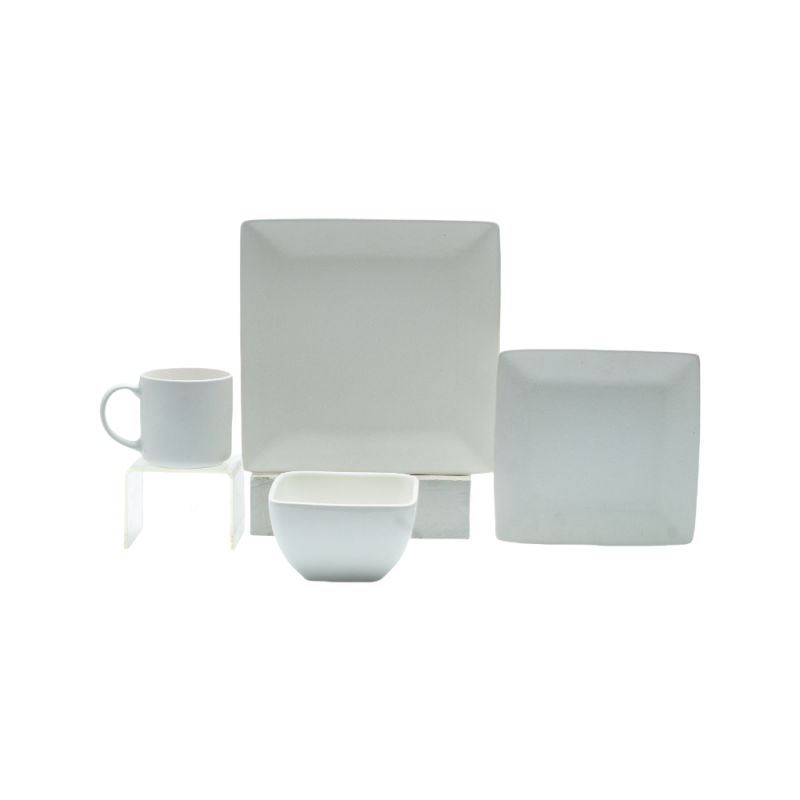
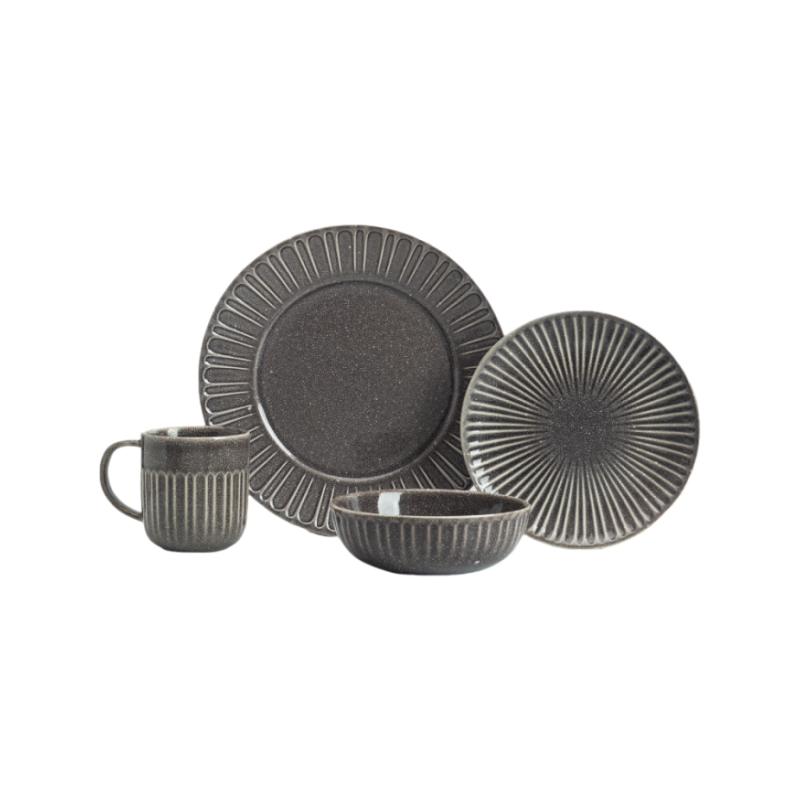
Storiware's ceramic mugs, plates, and bowls are produced to food-contact standards for export to North America, Europe, and other regulated markets, with product-specific test documentation available for your review. The featured products below are a good place to start, and our team can provide the compliance documentation for the exact products you plan to order.
Featured Ceramic Tableware from Storiware
Explore products featured in this guide:
Need a custom quote? Send an inquiry or browse our full product catalog.