How a Custom Ceramic Tableware Manufacturer Provides Wholesale Value and Design Diversity
As a custom ceramic tableware manufacturer, we understand that establishing and maintaining a strong brand identity is crucial in today's competitive market. Custom ceramic mugs and other tableware aren't just functional items; they are powerful tools for brand storytelling and connection.
This blog post will delve into how a custom ceramic tableware manufacturer can provide significant value through wholesale options and diverse design capabilities, empowering businesses from cafes and restaurants to home goods stores and event planners. We'll explore the journey from concept to creation, emphasizing cost-effectiveness, customization, and sustainable practices.
Key Takeaways
- Wholesale Purchasing Power: Buying ceramic tableware in bulk directly from a manufacturer is a primary strategy for reducing per-unit costs and significantly improving profit margins. This approach minimizes expenses related to middlemen, shipping, and handling, making it a financially sound investment for businesses of any scale.
- Brand Enhancement and Consistency: Custom ceramic dinnerware acts as a physical touchpoint for your brand, reinforcing its identity with every use. Consistent and unique tableware across all settings creates a professional look and a memorable customer experience, transforming a simple meal into a branded event.
- Access to Unlimited Design and Customization: Partnering with a manufacturer unlocks vast creative potential beyond just adding a logo. It allows for OEM/ODM projects, where you can co-create unique shapes, sizes, glazes, and textures that perfectly align with your brand's aesthetic, from rustic to minimalist.
- Support for Diverse Business Needs: Wholesale ceramic suppliers cater to a wide array of industries. Florists and event planners can source unique vases and décor, while retail and home goods stores can develop exclusive product lines without the overhead of an in-house studio. For the hospitality sector, branded dinnerware is a tool for differentiation and elevating the guest experience.
- Long-Term Value and Sustainability: High-quality, commercial-grade ceramics are more durable and resistant to chipping and staining, leading to lower replacement costs over time. Furthermore, sourcing in bulk reduces packaging waste, and partnering with manufacturers committed to eco-friendly production supports broader sustainability goals.
The Strategic Advantage of Partnering with a Custom Ceramic Tableware Manufacturer for Wholesale Needs
In a global market projected to reach $460 billion by 2027, the demand for ceramic products is undeniably strong. For businesses in the hospitality, retail, and event sectors, the decision of how to source these goods is critical. Partnering directly with a custom ceramic tableware manufacturer for wholesale purposes is not merely a procurement tactic; it's a strategic move that offers significant financial and operational advantages. By cutting out intermediaries, businesses can gain direct access to the source of production, unlocking unparalleled value in cost, consistency, and customization. This partnership model is designed to support long-term growth, brand integrity, and supply chain reliability.
Cost Efficiency and Budget Optimization Through Wholesale Purchases
One of the most compelling reasons for any business to engage with a wholesale manufacturer is the profound impact on its financial health. Cost efficiency in wholesale is not just about lower prices; it involves a holistic approach to optimizing budgets, reducing operational burdens, and maximizing profitability. By strategically managing procurement, businesses can achieve a more streamlined cost structure that supports both stability and growth.
Significant Savings on Bulk Orders
The foundational principle of wholesale is economies of scale. When you purchase ceramic tableware in large quantities, the per-unit cost drops significantly. Manufacturers can offer these substantial discounts because large orders streamline the production process, reduce administrative overhead, and amortize fixed costs—like mold development and kiln setup—over a much larger number of items. For example, an order of 10,000 pieces will have a dramatically lower per-item cost than an order of 1,000 because the initial setup fees are distributed more widely. This direct purchasing model eliminates the markups added by distributors and other middlemen, ensuring that businesses secure the best possible price and increase their profit margins. It's a clear-cut strategy for reducing the Cost of Goods Sold (COGS) and improving the bottom line.
Reduced Overhead and Operational Costs for Businesses
Partnering with a wholesale supplier does more than just lower the product price; it helps curtail various operational and overhead costs.
Here’s a breakdown of the potential savings:
| Cost Category | How Wholesale Purchasing Reduces It |
|---|---|
| Inventory & Storage | By placing larger, less frequent orders, businesses can optimize their inventory management and reduce carrying costs like storage and insurance. Some suppliers even offer just-in-time (JIT) ordering to minimize excess stock. |
| Shipping & Logistics | Consolidating orders into bulk shipments significantly cuts down on transportation and logistics expenses compared to multiple smaller deliveries. This can even reduce shipping costs by 30-40% when using mixed-load containers. |
| Administrative Labor | A streamlined purchasing process with a single manufacturing partner reduces the time and labor spent on managing multiple suppliers, procurement, and invoicing. |
| Replacement Costs | Sourcing high-quality, commercial-grade ceramics directly from the manufacturer ensures greater durability and lower breakage rates, leading to fewer replacements over the long term. |
By integrating these efficiencies, businesses can reallocate resources from operational management to core activities like marketing, customer service, and strategic growth.
Meeting Diverse Needs: Ideal for a Range of Businesses
The versatility of ceramic products makes wholesale partnerships beneficial for a wide spectrum of industries. Custom ceramic tableware manufacturers are equipped to serve not just restaurants and hotels but also a variety of other businesses that rely on quality, customizable vessels to enhance their offerings and brand identity. From the vibrant arrangements of a floral shop to the curated collections of a home decor boutique, wholesale ceramics provide the foundation for creativity and commerce.
Supporting Florists and Event Planners with Extensive Selections
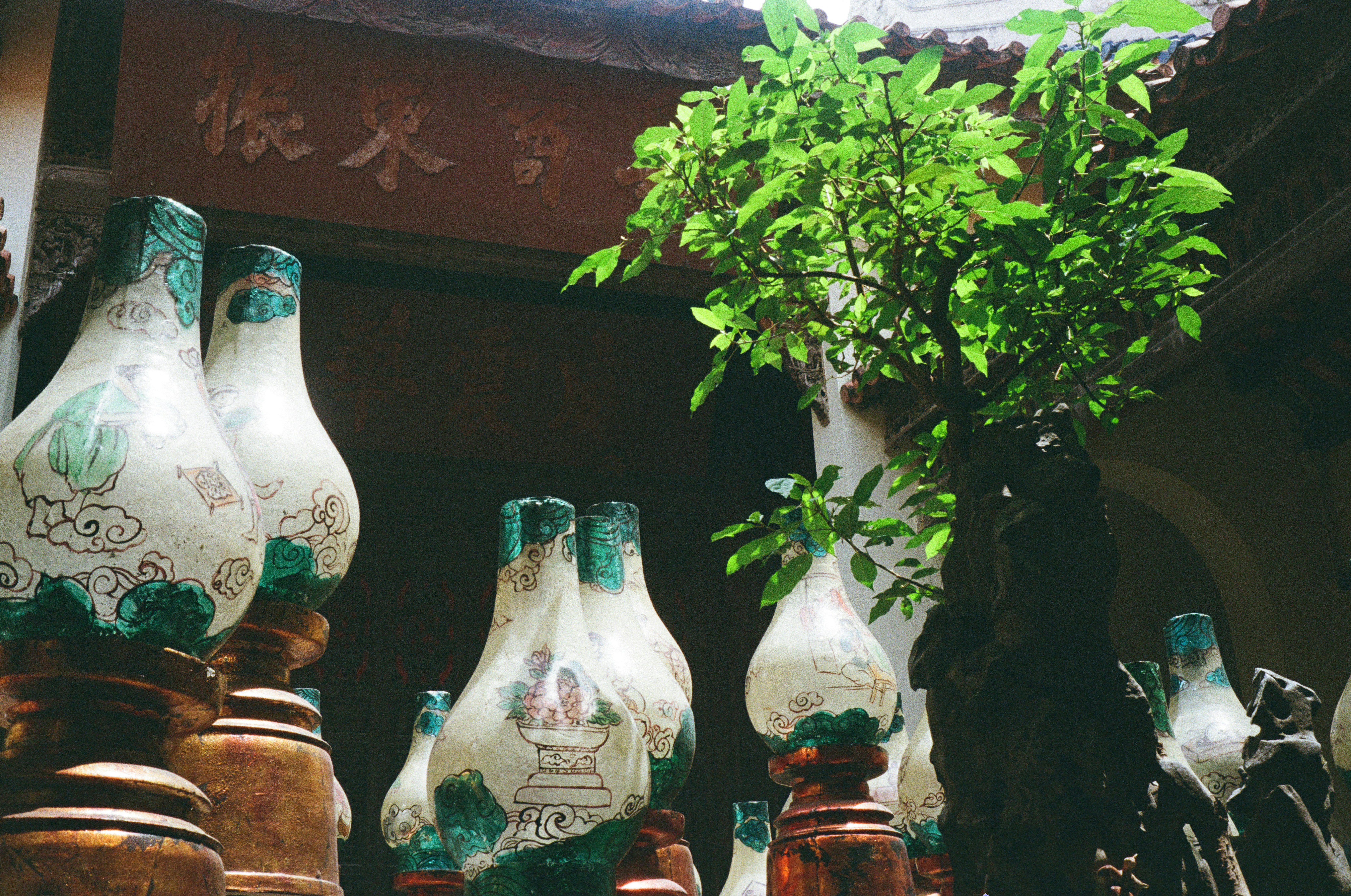
For florists and event planners, the container is just as important as the contents. A thoughtfully chosen vase or planter elevates a floral arrangement from beautiful to breathtaking. Wholesale ceramic manufacturers offer an extensive selection of vessels designed specifically with these professionals in mind. They provide a vast catalog of ceramic vases, bowls, and planters in covetable colors, unique textures, and transport-ready sizes.
Wholesale suppliers like Royal Imports and DirectFloral specialize in providing high-quality ceramic containers at low costs, allowing florists to find everything they need in one place. This includes items like bud vases, decorative jugs, and large planters suitable for wedding centerpieces and event displays. By sourcing directly, event planners and florists can access dependable, stylish, and affordable options that serve as the perfect base for any creative vision.
Enhancing Retail and Resale Opportunities
For home decor stores, gift shops, and online boutiques, wholesale ceramics present a powerful opportunity to build a profitable and unique product line. Buying directly from a manufacturer allows retailers to curate a distinct collection of mugs, dinnerware, vases, and decorative objects that differentiate their brand from mass-market competitors. The significant reduction in per-unit cost leaves ample room for a healthy retail markup, maximizing profitability.
Furthermore, partnering with a manufacturer opens the door to creating exclusive, custom-designed product lines. A retailer can collaborate on unique shapes, glazes, or patterns that are sold only in their store, fostering brand loyalty and giving customers a reason to choose them over others. This approach allows retailers to leverage the manufacturer's expertise and production capacity without incurring the high costs of setting up their own ceramic studio. It's an effective strategy for building a competitive edge in the bustling home goods and lifestyle market.
Unleashing Creativity: Design Diversity from a Custom Ceramic Tableware Manufacturer
Partnering with a custom ceramic tableware manufacturer is more than a procurement strategy; it's a creative collaboration. It unlocks a world of design possibilities that go far beyond standard catalog items, transforming everyday tableware into a powerful medium for brand expression. From initial concept to mass production, the journey is a fusion of your vision and the manufacturer's technical expertise. This process empowers businesses to create truly unique products that capture their brand's essence, ensuring that every plate, bowl, and mug tells a story.
From Dielines to Pilot Runs: The OEM Customization Process
Original Equipment Manufacturer (OEM) customization is a deeply collaborative process that turns an idea into a tangible, high-quality ceramic product. It begins with your unique vision and relies on a structured yet flexible workflow to ensure the final product is precisely what you imagined. This journey involves detailed design development, meticulous prototyping, and rigorous quality control, all managed in partnership with the manufacturer.
Collaborative Design and Development for Unique Brand Identity
The first step in any OEM project is bringing your concept to life. This is a highly collaborative phase where your ideas—whether a simple sketch, a digital rendering, or a detailed technical drawing (dieline)—are translated into a manufacturable design. An experienced manufacturer's design team will work closely with you, offering expert guidance on material selection, shape feasibility, and glaze application.
This partnership can even extend to co-creating designs from scratch. With a keen understanding of market trends, a good design team can help conceptualize unique products that stand out. AI-assisted design tools are also emerging, allowing designers to input parameters like weight, style, and function to generate dozens of optimized shape variations, speeding up the creative process. This synergy ensures that the final design is not only beautiful but also functional, durable, and perfectly aligned with your brand identity.
Ensuring Quality and Consistency from Sample to Production
Quality assurance is the backbone of ceramic manufacturing. It's a continuous process that begins with the inspection of raw materials and extends through every stage of production to the final product. A reputable manufacturer will implement a rigorous quality control (QC) system, often adhering to international standards like ISO 9001:2015, to guarantee consistency and excellence.
The process typically unfolds as follows:
- Raw Material Inspection: Before production begins, all raw materials, including clays and glazes, are tested for purity, composition, and particle size to prevent defects.
- Prototyping & Sample Approval: A prototype or sample is created based on the final design. This piece is a critical checkpoint, allowing you to see and feel the product before committing to a full production run.
- Pilot Run: For large orders, a small-scale pilot run may be conducted to test the production line and identify any potential issues before mass manufacturing begins. This step helps ensure a smooth and efficient large-scale run.
- In-Production & Final Inspection: QC checks are performed throughout the manufacturing process, from shaping and drying to firing and glazing. The final products are inspected for dimensional accuracy, surface quality, and defects like cracks or inconsistent glaze application. This meticulous attention to detail ensures that every piece in your order, from the first to the last, meets the approved standard.
Beyond Logos: A Wide Range of Designs and Styles
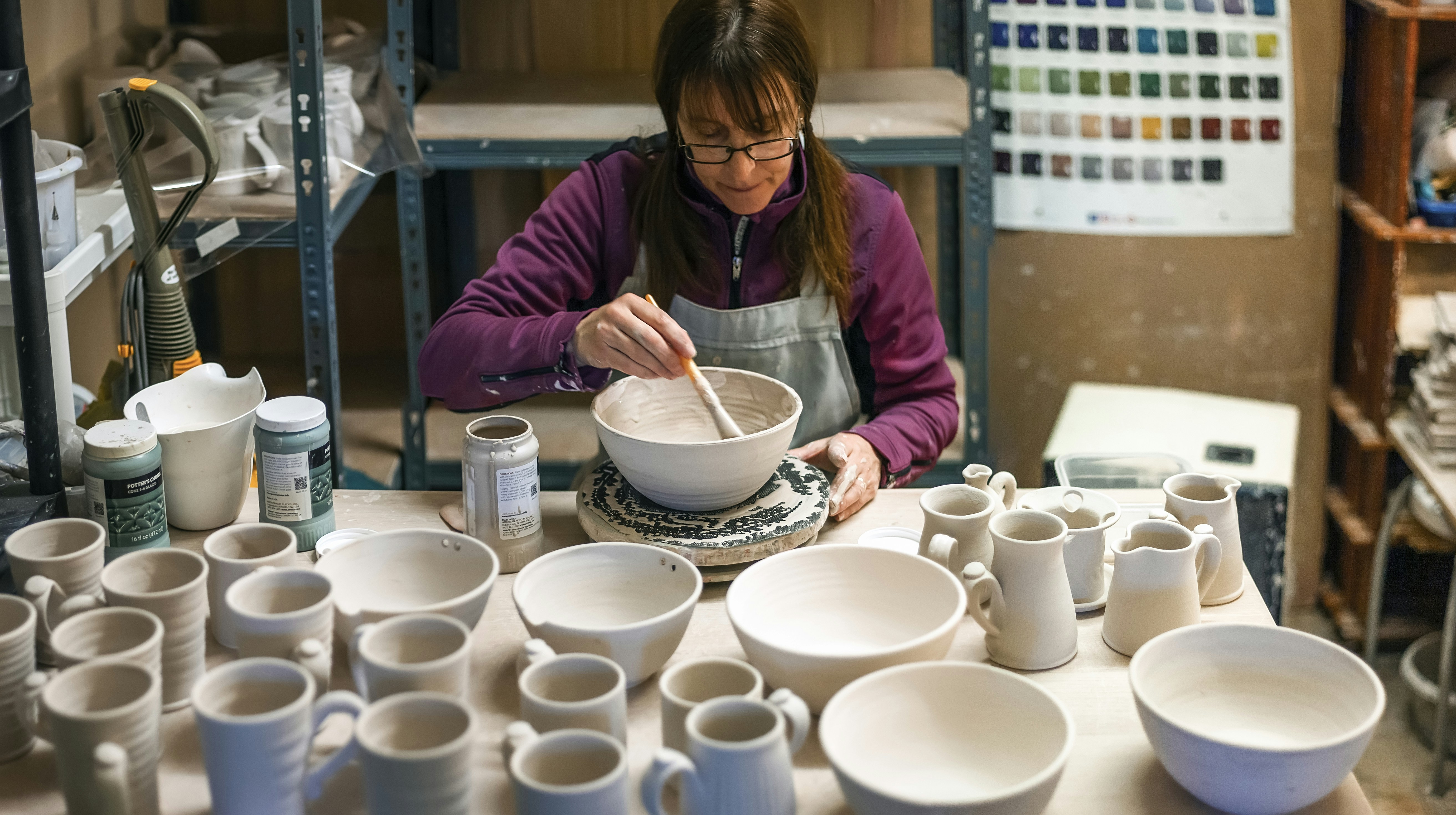
While adding a logo is a common form of customization, true design diversity goes much deeper. Working with a custom manufacturer provides access to an extensive array of shapes, materials, and finishing techniques that allow for unparalleled creative expression. This enables businesses to move beyond simple branding and create tableware that is an integral part of their aesthetic and customer experience. It's an opportunity to craft items that are memorable, functional, and uniquely yours.
Access to an Extensive Catalog of Shapes, Sizes, and Finishes
A key benefit of partnering with an established manufacturer is immediate access to a vast and diverse product catalog. These catalogs often feature hundreds of pre-designed shapes and sizes, from classic dinner plates and bowls to esoteric items like geometric appetizer plates and rustic farmhouse pitchers. This extensive library serves as a powerful starting point for any project.
Furthermore, the variety of materials and finishes available is immense. You can choose from different types of ceramics like durable porcelain, rustic stoneware, or premium bone china to match your brand's positioning. The world of glazes offers even more possibilities, with options ranging from glossy and matte finishes to special-effect glazes that produce unique textures and color variations. This breadth of choice allows you to select a combination that perfectly matches your desired aesthetic, whether it's minimalist and modern or ornate and traditional.
Customizable Options for Personal Branding and Thematic Aesthetics
Customization is about creating a product that tells your brand's story. Beyond a logo, you can personalize nearly every aspect of the tableware. This can include:
- Custom Shapes and Molds: Develop a completely new shape that is exclusive to your brand.
- Unique Colors and Patterns: Match the glaze to your brand's specific color palette or create hand-painted patterns, decals, or stamped motifs.
- Textural Elements: Incorporate textures, such as organic, rough edges or debossed patterns, to add a tactile dimension to the dining experience.
- Thematic Cohesion: Design a full collection where every piece—from the espresso cups to the serving platters—works together to create a cohesive theme, whether it's "boho chic" or "Greco-Roman" inspired.
This level of in-depth customization allows businesses to create truly one-of-a-kind tableware that enhances the dining experience and leaves a lasting impression on customers. It transforms a functional object into a signature element of your brand's identity.
Tailored Solutions from a Custom Ceramic Tableware Manufacturer for Specific Markets
A one-size-fits-all approach rarely succeeds in the diverse world of commerce. A versatile custom ceramic tableware manufacturer understands this and offers tailored solutions designed to meet the unique demands of specific market segments. Whether crafting artisanal pieces for a boutique home goods store or developing durable, branded dinnerware for the high-traffic hospitality industry, the ability to customize production is key. This targeted approach allows businesses to source products that not only fulfill a functional need but also align perfectly with their brand ethos and customer expectations. By leveraging specialized manufacturing, businesses can effectively carved out their niche and thrive.
Crafting Artisanal Pottery for Home Goods Stores
The modern consumer often seeks products that tell a story—items that feel unique, personal, and authentic. For home goods stores and lifestyle boutiques, offering handcrafted-style pottery can be a major differentiator, escaping the pull of mass-market consumerism by providing fewer, better things. A partnership with a custom ceramic manufacturer allows retailers to tap into this demand, creating distinctive collections that resonate with discerning shoppers.
Developing Unique Lines of Mugs, Bowls, and Vases
Retailers can collaborate with manufacturers to develop exclusive product lines that reflect their store's specific aesthetic. This could mean creating a series of minimalist stoneware vases for a modern decor shop or a collection of brightly-colored, hand-painted mugs for a bohemian-style boutique. The manufacturer brings the technical expertise to produce these items at scale, ensuring consistent quality while maintaining a handcrafted feel. This process empowers retailers to offer one-of-a-kind pieces that customers won't find anywhere else, thereby building brand loyalty and a strong market identity. Many studios and manufacturers offer this exact service, working with clients to bring their vision for unique mugs, bowls, and vases to life.
Leveraging Manufacturing Expertise Without In-House Studio Overhead
One of the most significant advantages for retailers is the ability to produce a full line of artisanal pottery without the immense financial and operational burden of an in-house production studio. Setting up a ceramics studio requires substantial capital investment in kilns, wheels, and other equipment, not to mention the specialized labor needed to run it. Outsourcing to a manufacturer eliminates these overhead costs entirely. Retailers can rely on the manufacturer's established infrastructure, skilled workforce, and years of production experience to create high-quality products efficiently. This arrangement provides the best of both worlds: access to expert craftsmanship and scalable production without the associated risks and expenses, allowing retailers to focus on their core competencies like marketing and customer engagement.
Custom Ceramic Tableware for the Hospitality Industry
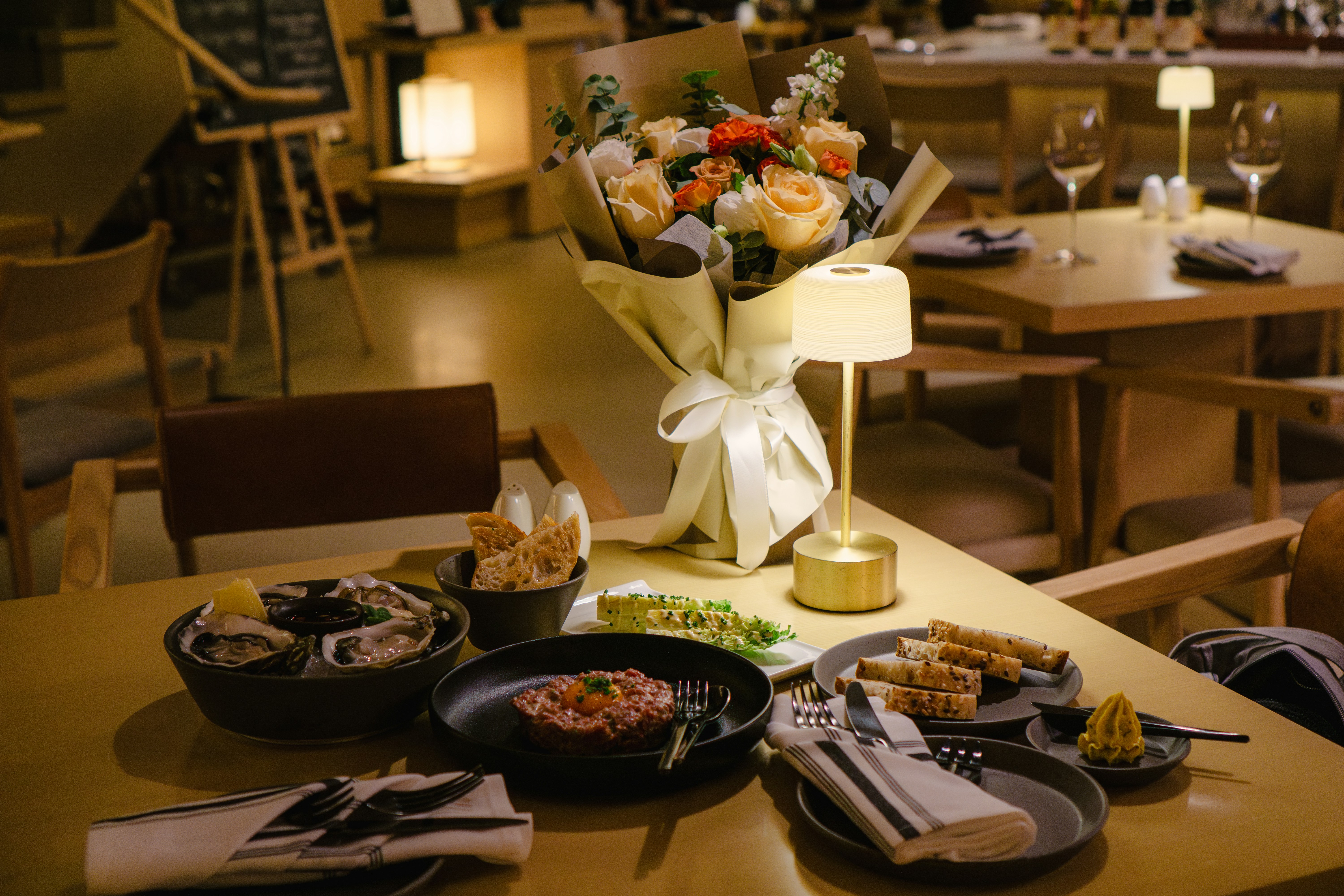
In the highly competitive hospitality sector, every detail contributes to the guest experience. Custom ceramic tableware has become a powerful tool for restaurants, cafes, and hotels to reinforce their brand identity, enhance their culinary presentation, and stand out from the competition. Durable, thoughtfully designed, and beautifully branded dinnerware transforms a meal into a memorable, Instagram-worthy event.
Branded Tableware for Restaurants, Cafes, and Hotels
For any hospitality business, tableware is a direct and tactile touchpoint with the customer. Customizing dinnerware with a logo, unique color scheme, or signature pattern consistently reinforces the brand's identity. Imagine a boutique hotel serving room service on plates that match its chic, modern decor, or a rustic cafe pouring coffee into mugs that reflect its cozy, farmhouse aesthetic. This level of detail communicates professionalism and a commitment to a cohesive guest experience. Top-tier manufacturers produce fully vitrified, commercial-grade ceramics that are designed to withstand the rigors of a busy restaurant, including high-temperature dishwashers and constant handling, ensuring both beauty and unmatched durability.
Filling a Niche with Distinctive, Branded Dinnerware and Mugs
In a market saturated with generic options, distinctive tableware can help a business fill a specific niche. A restaurant can collaborate with a manufacturer to design custom-shaped bowls perfect for its signature ramen, or a coffee shop can create a line of unique, ergonomic mugs that become a sought-after souvenir. These specialized items do more than just serve food; they become part of the brand's story and a reason for customers to return.
By offering high-quality, branded mugs for sale, a cafe can create an additional revenue stream and turn its customers into brand ambassadors. Success in this area comes from identifying a specific need or desire within a target audience—be it fans of a podcast who want a mug with a catchphrase or coffee connoisseurs seeking the perfect cup for their morning ritual—and creating a product that perfectly meets that demand.
Sustainable Practices and Reliable Partnerships with a Custom Ceramic Tableware Manufacturer
In an era of increasing environmental consciousness, the choices businesses make have a profound impact not only on their brand image but also on the planet. Partnering with a custom ceramic tableware manufacturer offers a path to more sustainable operations and fosters reliable, long-term relationships built on shared values. From minimizing waste through eco-friendly sourcing to ensuring ethical production, a strategic partnership can align a company's commercial goals with its commitment to corporate responsibility. This approach enhances brand reputation and contributes to a healthier, more sustainable industry. More information can be learned by exploring our About Us page, which details our commitment to these principles.
Embracing Eco-Friendly Benefits of Wholesale Sourcing
Sourcing ceramic tableware wholesale is an inherently more sustainable practice than traditional retail purchasing. The model is built on efficiency, which translates directly into environmental benefits. By optimizing logistics and reducing excess materials, wholesale partnerships help minimize a business's ecological footprint. This conscious choice appeals to the growing number of consumers who prefer to support brands with a demonstrated commitment to sustainability.
Minimizing Packaging Waste Through Bulk Orders
One of the most significant environmental advantages of wholesale purchasing is the drastic reduction in packaging waste. Traditional retail involves numerous layers of single-use packaging for each small order, contributing to the millions of tons of waste that end up in landfills annually. In contrast, bulk orders consolidate many items into a single, larger shipment, which inherently requires less packaging material per item. This simple change can reduce packaging waste by a substantial margin. Furthermore, a single bulk shipment minimizes the carbon footprint associated with transportation, as it replaces dozens of smaller, less efficient deliveries that would otherwise increase traffic and emissions.
Supporting Manufacturers Committed to Sustainable Production
Beyond the logistics of shipping, partnering with the right manufacturer allows you to support and benefit from sustainable production practices. The ceramics industry is increasingly adopting greener methods, and many manufacturers are now committed to minimizing their environmental impact. These practices include:
- Sustainable Raw Materials: Using locally sourced or recycled clay to reduce transportation emissions and conserve natural resources. Some producers even create products containing over 50% recycled materials.
- Energy Efficiency: Employing modern, energy-efficient kilns and investing in renewable energy sources like solar power to reduce greenhouse gas emissions during the energy-intensive firing process.
- Water Conservation: Implementing closed-loop systems that allow for the reuse and recycling of nearly 100% of the water used in production.
- Non-Toxic Materials: Using lead-free and other non-toxic glazes that are safe for consumers and prevent harmful chemicals from polluting the environment.
By choosing a manufacturer that prioritizes these eco-friendly practices, you not only receive a high-quality, safe, and sustainable product but also enhance your brand's reputation as an environmentally responsible business.

Choosing the Best Custom Ceramic Tableware Manufacturer
Selecting the right manufacturing partner is one of the most critical decisions a business can make. The ideal partner is more than just a supplier; they are an extension of your team who can provide reliability, quality, and value. This choice impacts everything from product consistency and customer satisfaction to your brand's long-term profitability and credibility. A thorough evaluation process is essential to building a strong and lasting partnership.
Identifying Reliable Suppliers with a Strong Track Record
A dependable supplier is the cornerstone of a smooth supply chain. To identify a reliable custom ceramic tableware manufacturer, it's crucial to look beyond the catalog and assess their history and reputation. Key indicators of a trustworthy partner include:
- Proven Experience: Look for manufacturers with a long track record and extensive experience in exporting to international markets, as they are more likely to have refined their processes and quality standards.
- Transparency: A reliable supplier will be open about their factory operations, welcome factory visits, and provide clear documentation. Some experts suggest that requiring video audits of the production line can help filter out less dependable suppliers.
- Certifications: Check for internationally recognized certifications like ISO 9001 (for quality management), BSCI (for ethical social practices), and compliance with food safety standards like FDA and LFGB.
- Customer References: Don't hesitate to ask for references from current clients. Speaking to other businesses about their experiences can provide invaluable insight into a manufacturer's reliability, communication, and after-sale service.
Balancing Quality, Affordability, and Consistent Stock Availability
A successful partnership hinges on finding the right balance between three critical factors: quality, cost, and consistency. While a low price might be tempting, it often comes at the expense of quality, which can lead to higher long-term costs due to breakages and returns.
Here’s how to strike the right balance:
- Quality: Never compromise on quality. Request samples to evaluate the material, finish, and durability firsthand. A good manufacturer should have robust quality control processes in place at every stage of production.
- Affordability: While quality is paramount, the price must be reasonable and allow for a healthy profit margin. Direct wholesale purchasing already provides significant cost advantages. Further savings can be achieved by working with a manufacturer who can offer flexible solutions, such as using existing molds with custom decorations to lower tooling costs.
- Consistent Stock Availability: A manufacturer's ability to deliver orders on time and maintain consistent stock is crucial for meeting customer demand and avoiding lost sales. A supplier with a disorganized supply chain or long, unpredictable lead times can create significant inventory challenges. Building a strong relationship and establishing clear communication channels can help ensure a more reliable and flexible supply chain.
By carefully evaluating these factors, you can select a custom ceramic tableware manufacturer that not only delivers exceptional products but also acts as a reliable partner in your business's growth.
Frequently Asked Questions (FAQ)
1. What are the main benefits of sourcing from a custom ceramic tableware manufacturer? Partnering directly with a custom ceramic tableware manufacturer offers several key advantages. Financially, it provides significant cost savings through wholesale pricing and reduced overhead, as you bypass middlemen. Creatively, it unlocks unparalleled design diversity, allowing you to develop unique OEM products with custom shapes, glazes, and branding that go far beyond a simple logo. Strategically, it ensures brand consistency and quality control, as you are involved from the sample stage to final production. This partnership model supports various business types, from restaurants seeking durable, branded dinnerware to retailers creating exclusive artisanal lines.
2. How does buying wholesale ceramics contribute to sustainability? Wholesale sourcing is an inherently more sustainable practice. Ordering in bulk significantly minimizes packaging waste, as a single large shipment requires far less material per item than multiple small retail orders. This consolidation also reduces the carbon footprint associated with transportation. Furthermore, it empowers you to support manufacturers who are committed to eco-friendly production methods, such as using recycled clay, energy-efficient kilns, water conservation systems, and non-toxic, lead-free glazes. This helps build a more responsible supply chain and enhances your brand’s eco-conscious reputation.
3. What is the OEM customization process and how does it work? OEM (Original Equipment Manufacturer) customization is a collaborative process where the manufacturer produces goods based on your unique designs and specifications. It typically begins with a design consultation, where you provide sketches or dielines. The manufacturer's team then helps refine the design for production and creates a prototype or sample for your approval. Once the sample is approved, a pilot run may be conducted for quality assurance before moving to mass production. Throughout the process, rigorous quality control checks are performed—from raw material inspection to final product verification—to ensure every piece meets the agreed-upon standards for quality and consistency.
4. How can I ensure the quality and reliability of a ceramic manufacturer? Choosing a reliable supplier is crucial. Start by researching their background, looking for a proven track record, and checking for certifications like ISO 9001 and food safety compliance (e.g., FDA, LFGB). A trustworthy manufacturer will be transparent about their processes and may even welcome factory visits. Always request samples to physically evaluate the product quality, including material integrity, glaze consistency, and durability. Finally, establishing clear communication channels and strong relationships is key to mitigating risks and ensuring a smooth, dependable partnership.
5. What is the difference between branding on tableware for retail versus the hospitality industry? While both sectors aim to strengthen brand identity, their focus differs slightly. For the hospitality industry (restaurants, hotels), branded tableware is a direct part of the customer experience. The durability, stackability, and design must enhance the presentation of food and withstand heavy commercial use. Consistency across all locations is key to reinforcing the brand. For retail and home goods stores, the focus is on creating unique, appealing product lines that stand out on the shelf. The design may be more artisanal or trend-focused to attract consumers looking for distinctive pieces for their homes. Retailers leverage wholesale manufacturing to offer exclusive collections without incurring the high overhead of an in-house studio.
Conclusion
Partnering with a custom ceramic tableware manufacturer offers an unparalleled opportunity to enhance brand presence, achieve cost savings, and access a world of design possibilities. From OEM projects that bring a unique vision to life to developing tailored solutions for specific market demands, a dedicated manufacturing partner can transform everyday functional items into powerful reflections of your brand's unique story. This collaboration empowers businesses to innovate freely while relying on proven expertise to ensure quality and scalability.
By choosing the right custom ceramic tableware manufacturer, you're not just purchasing products; you're investing in lasting quality, innovative design, and a reliable partnership that supports your business's growth and sustainability goals. This strategic alliance is a commitment to excellence that resonates with customers and provides a competitive edge in a crowded marketplace. Ready to transform your creative concepts into reality? Please contact us to discuss how our manufacturing expertise can benefit your brand.