How to Choose the Ideal Ceramic Mug OEM Manufacturer for Custom Projects
Embarking on a custom ceramic mug project for your brand is an exciting venture, and finding the right manufacturing partner is the cornerstone of its success. The market for ceramic mugs is vast and varied, making the selection of an ideal Original Equipment Manufacturer (OEM) a critical decision that impacts quality, brand reputation, and profitability. A strategic choice ensures not just a quality product, but also consistency and timely delivery, which are vital in today's fast-paced market.
This comprehensive guide will provide you with essential strategies and in-depth knowledge to navigate the complexities of the selection process. We will walk you through defining your project needs, evaluating key manufacturer attributes, understanding production and quality control, managing costs, and ultimately, building a strong, lasting partnership. By following these steps, you can secure a reliable ceramic mug OEM manufacturer that aligns perfectly with your unique project requirements and business goals.
Key Takeaways
| Aspect | Key Consideration | Impact on Your Project |
|---|---|---|
| Project Definition | Clearly specify your design, capacity, volume, and required OEM/ODM services. | A detailed brief prevents misunderstandings, ensures accurate quotes, and streamlines the entire production process. |
| Manufacturer Evaluation | Verify certifications (e.g., ISO 9001, BSCI), assess their experience, and demand factory transparency. | Ensures the manufacturer is reputable, capable of high-quality production, and adheres to ethical and safety standards. |
| Quality Control | Understand their manufacturing techniques, material sourcing, and quality assurance (QA) protocols. | Guarantees that the final product is durable, safe (e.g., lead and cadmium-free), and consistently matches your approved sample. |
| Cost & Value | Seek detailed cost breakdowns, understand Minimum Order Quantities (MOQs), and optimize packaging. | Balances budget constraints with product quality, helping you achieve a better return on investment without hidden fees. |
| Partnership Building | Prioritize manufacturers offering one-stop services, clear communication channels, and scalability. | Fosters a long-term, collaborative relationship that can adapt to challenges and support future business growth. |
Defining Your Needs for a Ceramic Mug OEM Manufacturer
Before you can find the perfect partner, you must first have a crystal-clear understanding of what you need. A well-defined project scope is the foundation of a successful manufacturing partnership. It not only helps potential manufacturers provide accurate quotes but also minimizes the risk of miscommunication and costly errors down the line. This initial planning phase involves detailing your product specifications, quantifying your order, and identifying the specific services you'll require.
Specifying Design, Capacity, and Style for Custom Ceramic Mugs
The first step is to translate your vision into a concrete technical specification. The more detail you provide, the better a manufacturer can understand and execute your project.
- Design and Artwork: Prepare high-resolution digital files of your logo or artwork. Specify the exact placement, colors (using Pantone Matching System - PMS codes for accuracy), and printing method. Common decoration methods include decal printing, screen printing, and sublimation. Each method has its own advantages in terms of cost, durability, and visual effect.
- Capacity: Mug capacity is typically measured in fluid ounces (oz) or milliliters (ml). While a "standard" coffee mug is often considered to be around 11 to 12 oz, the ideal capacity depends on your target audience and intended use. For instance, an espresso cup is much smaller, while a travel mug or latte mug might be 16 oz or larger. Be precise about the volume you require.
- Style and Shape: The style of the mug significantly impacts its look and feel. Consider classic C-handle mugs, modern straight-sided designs, ergonomic shapes, or unique novelty forms. The choice of material—such as stoneware, porcelain, or bone china—also plays a crucial role in the final product's weight, durability, and perceived value.
Here is a quick comparison of common ceramic materials:
| Material | Characteristics | Best For |
|---|---|---|
| Porcelain | Non-porous, durable, lightweight, thin walls | High-end cafés, gift markets, premium branding |
| Stoneware | Opaque, sturdy, chip-resistant, rustic feel | Coffee shops, everyday use, casual dining |
| Earthenware | Porous (if unglazed), thick, heavy, less durable | Decorative items, budget-friendly promotions |
| Bone China | Strongest ceramic, translucent, lightweight, elegant | Luxury brands, high-end corporate gifts |
 Alt: A diverse collection of custom ceramic mugs in different shapes, sizes, and colors.
Determining Order Volume and Lead Time Requirements for Your Ceramic Mug OEM Manufacturer
Your order quantity directly influences pricing, choice of manufacturer, and production timeline.
- Minimum Order Quantity (MOQ): Most OEM manufacturers have an MOQ, which is the smallest order they are willing to produce. This is because setting up machinery, mixing glazes, and preparing printing screens involves fixed costs that are only economical when spread across a large number of units. MOQs can range from a few hundred to several thousand pieces, so it's a critical factor to check early on.
- Order Volume: Determine your initial order size and forecast potential future orders. If you plan to reorder, discuss this with potential manufacturers, as it may influence their pricing or willingness to invest in custom molds for your project.
- Lead Time: Lead time is the total time from placing your order to receiving the final product. It includes pre-production (sample approval), mass production, quality control, and shipping. A typical lead time for custom mugs can be anywhere from 30 to 90 days, depending on the complexity of the design, order quantity, and the manufacturer's production schedule. Always clarify whether the quoted lead time includes shipping, as international freight can add several weeks.
Identifying Essential OEM/ODM Services from Your Ceramic Mug OEM Manufacturer
Understanding the difference between OEM and ODM services is crucial for finding the right type of partner.
- OEM (Original Equipment Manufacturer): In an OEM model, you provide the complete product design and specifications, and the manufacturer produces it for you. This gives you full control over the final product. You are responsible for the R&D and design work. This is the ideal choice for brands with a unique, proprietary mug design.
- ODM (Original Design Manufacturer): In an ODM model, the manufacturer provides existing product designs and molds that you can choose from. You can then customize these "white-label" products by adding your logo, changing colors, or selecting different packaging. This is a faster and more cost-effective option, ideal for businesses that need to get a product to market quickly without investing heavily in custom design.
Many factories offer a hybrid approach, allowing significant customization of their existing ODM products. When evaluating manufacturers, inquire about their specific OEM/ODM capabilities. Do they have an in-house design team that can help refine your concept? Can they assist with creating new molds? A partner offering a comprehensive one-stop service can save you significant time and effort by handling everything from design consultation to final packaging and logistics.
Key Factors to Evaluate in a Ceramic Mug OEM Manufacturer
Once you have a clear definition of your needs, the next step is to vet potential manufacturing partners. This evaluation process goes beyond just comparing price quotes; it involves a deep dive into a company's credentials, experience, and operational transparency. Choosing a partner based on these key factors will mitigate risks and lay the groundwork for a successful, long-term relationship.
Verifying Certifications and Compliance Standards for Your Ceramic Mug OEM Manufacturer
Certifications are a formal way of verifying that a manufacturer meets specific quality, safety, and ethical standards. They provide external validation of a factory's claims and are a critical indicator of reliability.
- Quality Management: Look for ISO 9001 certification. This international standard ensures the manufacturer has a robust Quality Management System (QMS) in place, signifying a commitment to consistent product quality and continuous improvement.
- Social and Ethical Compliance: BSCI (Business Social Compliance Initiative) or Sedex audits are crucial for ensuring ethical labor practices. These certifications confirm that the factory provides safe working conditions, fair wages, and respects workers' rights. Partnering with a socially compliant manufacturer protects your brand's reputation and aligns with modern consumer expectations.
- Product Safety: For ceramic mugs sold in North America and Europe, compliance with food-grade safety standards is non-negotiable. Mugs must be tested for lead and cadmium levels to meet regulations like the FDA requirements in the United States or EC 1935/2004 in Europe. Always request recent test reports and certificates of compliance for the specific materials and glazes they use. A trustworthy manufacturer will readily provide this documentation.
Assessing Experience and Track Record of a Prospective Ceramic Mug OEM Manufacturer
An experienced manufacturer brings invaluable expertise to your project. Their history can often predict their future performance.
- Industry Specialization: A factory that specializes in ceramic drinkware is preferable to a generalist. They will have a deeper understanding of the materials, firing processes, and decoration techniques required to produce a high-quality mug. Ask for their production history and the types of mugs they produce most frequently.
- Client Portfolio and Case Studies: Ask for examples of their previous work, especially projects similar to yours. A reputable manufacturer will be proud to share their portfolio and may even have case studies detailing their work with other brands. This allows you to assess the quality of their craftsmanship and their experience with clients in your market.
- Customer Reviews and References: Don't hesitate to ask for client references. Speaking with other businesses that have worked with the manufacturer can provide candid insights into their communication, reliability, and problem-solving abilities. Online B2B platforms and industry forums can also be a source of reviews and testimonials.
Understanding Factory Capabilities and Transparency from Your Ceramic Mug OEM Manufacturer
A peek behind the curtain can reveal a lot about a potential partner. A manufacturer that is open and transparent about its operations is more likely to be a reliable one.
- Factory Tour or Audit: The best way to assess a factory's capabilities is to see it for yourself. If a physical visit isn't feasible, request a virtual tour. During the tour, pay attention to the cleanliness of the facility, the condition of the equipment, and the organization of the production line. Signs of a well-managed factory include clear workflows, robust safety measures, and an organized inventory system.
- Production Capacity and Technology: Discuss their maximum production capacity to ensure they can handle your current and future order volumes. Inquire about their technology and equipment. Do they use modern, efficient kilns? What are their capabilities for complex printing or custom glaze applications? A manufacturer that invests in technology is often more efficient and capable of producing higher-quality products.
- Subcontracting Policies: Ask a direct question: "Will any part of my order be subcontracted to another factory?" Some manufacturers outsource certain processes (like printing or packaging) to manage overflow or access specialized skills. While not inherently a bad thing, it's crucial that they are transparent about this and can guarantee that their subcontractors adhere to the same quality and ethical standards. Full transparency on the supply chain is key to maintaining control over your product's quality.
 Alt: A bright and well-organized production line in a ceramic mug factory with workers at their stations.
Production Processes and Quality Control by a Ceramic Mug OEM Manufacturer
A deep understanding of how your mugs will be made is crucial for ensuring the final product meets your expectations. The manufacturing process for ceramics is a blend of art and science, and a capable OEM partner will have mastered both. This section delves into the key aspects of production, from material selection to the rigorous quality control measures that safeguard your brand's reputation.
Exploring Manufacturing Techniques and Material Choices with Your Ceramic Mug OEM Manufacturer
The journey from a lump of clay to a finished mug involves several critical stages. Your manufacturer should be able to guide you through these choices to achieve the desired outcome for your product.
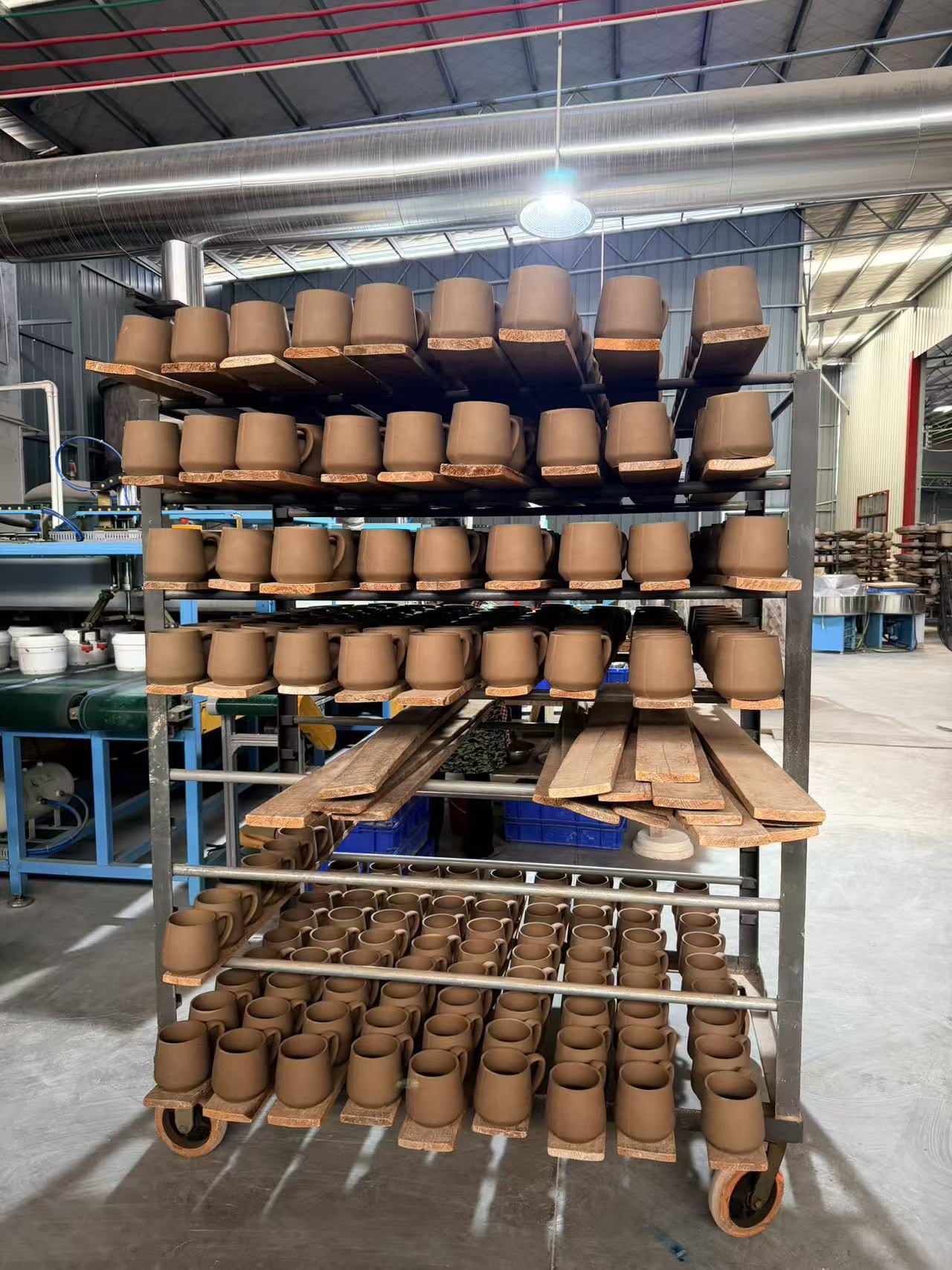
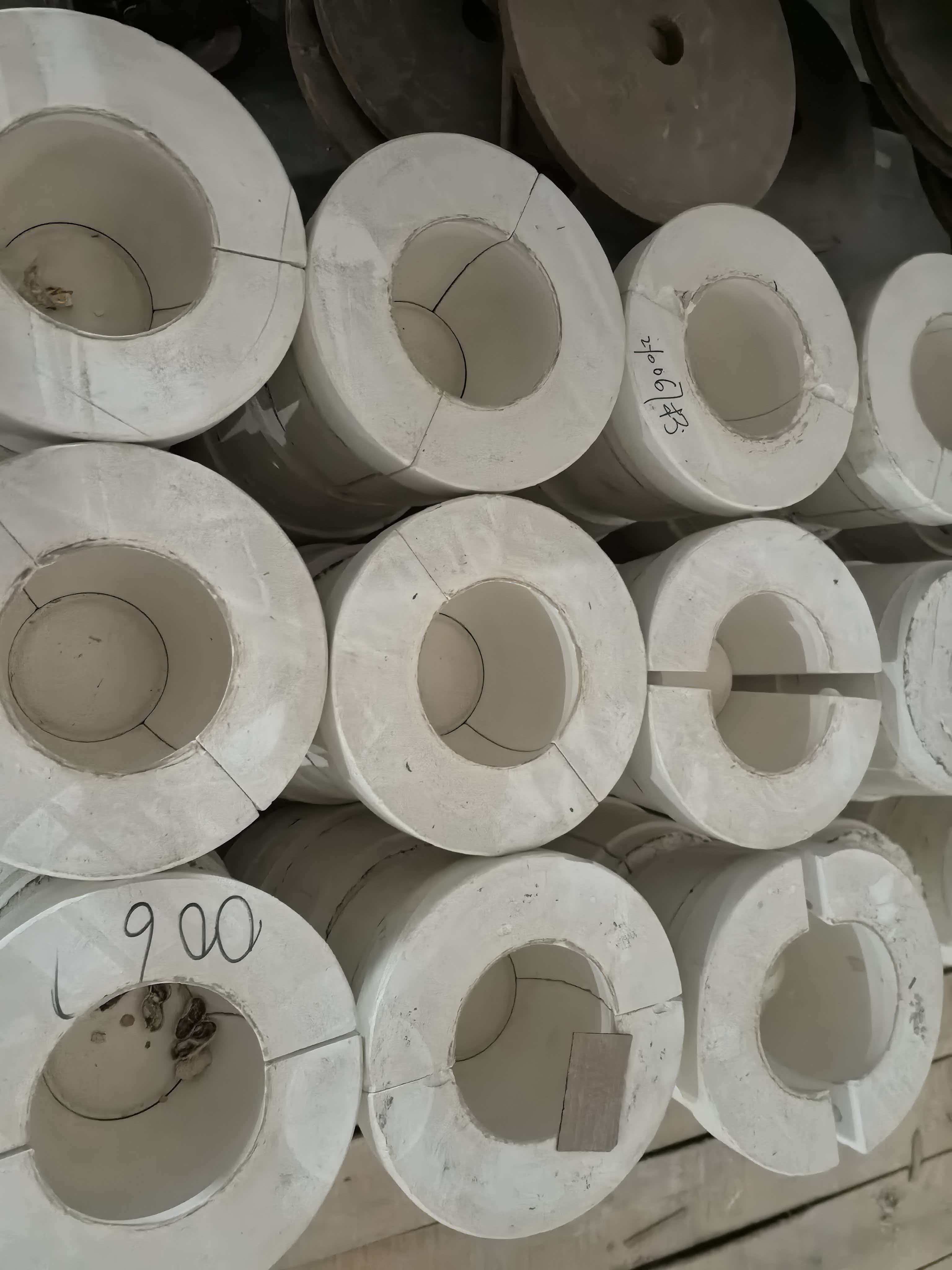
- Forming Methods: Mugs are typically formed using one of several methods. Slip casting is common for complex shapes and involves pouring liquid clay (slip) into a plaster mold. Jiggering or jolleying is used for symmetrical, round items and is highly efficient for standard shapes. Ram pressing uses hydraulic pressure to press clay into a mold, ideal for high-volume production of uniform pieces. Discuss which method they will use for your design and why it's the best fit.
- Material Sourcing and Quality: The quality of the raw materials—clay, glazes, and pigments—is paramount. Inquire about the source of their clay and whether they have consistent, reliable suppliers. A good manufacturer will have stringent controls for their raw materials to ensure purity and consistency, which affects everything from firing stability to the final color and finish of the mug.
- Firing Process: The firing process, done in a large oven called a kiln, transforms the fragile clay into hard, durable ceramic. Most ceramics are fired twice: a "bisque" firing first, followed by a "glaze" firing after the glaze has been applied. The manufacturer must have precise control over the kiln's temperature and atmosphere to prevent defects like cracking, warping, or glaze imperfections. Ask about their kiln technology and how they ensure a consistent firing environment for every batch.
Ensuring Rigorous Quality Assurance and Testing from Your Ceramic Mug OEM Manufacturer
Quality Assurance (QA) is not a single step but a continuous process that should be integrated into every stage of production. A commitment to rigorous QA is a hallmark of a top-tier manufacturer.
- Incoming Quality Control (IQC): This involves inspecting and testing all raw materials (clay, glazes, etc.) upon arrival to ensure they meet the required specifications before they ever enter the production line.
- In-Process Quality Control (IPQC): Quality checks should be performed at multiple points during manufacturing. This includes inspecting mugs after they are formed (for shape consistency), after bisque firing (for cracks), and after decoration (for color and placement accuracy). This proactive approach catches potential issues early, saving time and reducing waste.
- Final Quality Control (FQC): Before packaging, every single mug should undergo a final inspection. A detailed checklist should be used to look for any defects, such as:
- Cosmetic Flaws: Pinholes in the glaze, black spots, scratches, uneven color, or chips.
- Structural Defects: Cracks, warped rims, or unstable bases.
- Decoration Errors: Misaligned logos, incorrect colors, or smudged prints.
- Functional Tests: Some manufacturers perform tests for thermal shock resistance (sudden temperature changes), dishwasher/microwave safety, and handle strength.
Request a copy of the manufacturer's quality control manual or their standard inspection checklist. This will give you a clear picture of their commitment to quality.
Customization and Branding Options Offered by a Ceramic Mug OEM Manufacturer
The final touches are what make the mug uniquely yours. A versatile manufacturer will offer a wide array of options to bring your brand to life.
- Decoration Techniques:
- Decal Printing: A popular method where the design is printed on special paper and transferred to the mug. It allows for highly detailed, multi-color, and even photorealistic images.
- Screen Printing (or Silk Screening): A cost-effective method for simpler, one- or two-color designs. Ink is pushed through a mesh screen directly onto the mug's surface.
- Sublimation: Ideal for full-color, wrap-around designs. The artwork is printed with special inks and then heat-transferred, turning the ink into a gas that permeates the mug's coating.
- Hand Painting: Offers a truly unique, artisanal touch for premium or limited-edition lines.
- Glaze Effects: Beyond a simple glossy or matte finish, inquire about special glaze options. These can include reactive glazes (which create unique, variegated patterns), speckled glazes, or even metallic finishes.
- Branding on the Base: A subtle but powerful branding opportunity is to add your logo or website to the bottom of the mug. This can be done via a simple backstamp and adds a professional touch that reinforces your brand identity with every sip.
Discuss these options with your potential partner to understand the full creative potential they can offer.
Navigating Costs and Value with a Ceramic Mug OEM Manufacturer
While quality and reliability are paramount, cost is inevitably a major factor in any manufacturing project. The goal is not simply to find the cheapest option, but to find the partner who offers the best overall value. This means achieving cost transparency, making strategic decisions about order quantities, and optimizing logistics to create a high-quality product within your budget. A great manufacturer will work with you as a partner to find cost-effective solutions without compromising on quality.
Achieving Cost Transparency and Understanding Pricing from Your Ceramic Mug OEM Manufacturer
A trustworthy manufacturer will provide a clear and detailed breakdown of all costs. Ambiguous or bundled pricing can hide unexpected fees that will inflate your final budget.
- Request an Itemized Quote: Don't accept a single lump-sum price. A professional quote should itemize costs for each component of your project, including:
- Unit Price: The cost per mug at your specified quantity.
- Mold Fees: A one-time cost for creating a custom mold, if required for your design.
- Sample Fees: The cost for producing pre-production prototypes. This is often credited back if you proceed with a bulk order.
- Setup Charges: Fees for preparing printing screens, decals, or machinery for your specific design.
- Packaging Costs: The price for the individual and master carton packaging.
- No Hidden Fees: Ask directly about any other potential charges. This could include fees for lab testing (like FDA compliance), design assistance, or specific logistical requirements. A transparent partner will be upfront about all costs from the beginning.
- Understanding Price Drivers: The final price of a mug is influenced by many factors: the complexity of the shape, the type of ceramic material used, the number of colors in the design, the application method for the logo, and the order quantity. Understanding these drivers will help you make informed decisions to balance your design aspirations with your budget. For example, reducing the number of colors in your artwork can often lead to significant cost savings.
Strategic Considerations for MOQs and Bulk Pricing with a Ceramic Mug OEM Manufacturer
Minimum Order Quantities (MOQs) and tiered pricing are standard practice in manufacturing. Understanding how to navigate them is key to maximizing your value.
- Negotiating the MOQ: If a manufacturer's stated MOQ is higher than your initial requirement, don't be afraid to open a discussion. If you can commit to a long-term partnership or future orders, they may be flexible and willing to accommodate a smaller initial run. Sometimes, a slightly higher unit price is offered in exchange for a lower MOQ.
- Leveraging Economies of Scale: Manufacturing costs per unit decrease as the production volume increases. This is because the fixed setup costs are spread across more items. Ask for a tiered pricing structure that shows the unit cost at different quantities (e.g., 1,000, 2,500, 5,000, and 10,000 units). This will help you identify the most cost-effective order quantity and plan your inventory investment.
- Balancing Inventory and Cost: While a larger order may secure a lower per-unit price, it also means a larger upfront investment and higher inventory holding costs. Carefully analyze your sales forecasts and storage capacity to find the sweet spot that balances per-unit savings with the risks of overstocking.
Optimizing Packaging and Shipping Solutions with Your Ceramic Mug OEM Manufacturer
Packaging and shipping are often underestimated components of the total cost, but they are critical for both product safety and brand presentation.
- Protective Packaging: Ceramic mugs are fragile. The manufacturer must have experience in designing robust packaging to prevent breakage during transit. This typically involves individual boxes or dividers within a sturdy master carton. Request details on their standard packaging and ask for drop-test results if available. Custom-printed individual boxes can also serve as an excellent branding and retail tool.
- Shipping Terms (Incoterms): Clarify the shipping terms, which are internationally recognized rules known as Incoterms. Common terms include:
- EXW (Ex Works): You are responsible for all shipping costs and logistics from the factory door.
- FOB (Free On Board): The manufacturer is responsible for getting the goods to the designated port of departure. You take over responsibility and cost from that point onward. This is a very common arrangement.
- DDP (Delivered Duty Paid): The manufacturer manages the entire shipping process, including customs clearance and import duties, delivering the goods directly to your warehouse. This is the most hassle-free option but is usually the most expensive.
- Optimizing Freight: International shipping costs can fluctuate significantly. An experienced manufacturer can often help you save money by consolidating shipments or recommending the most cost-effective freight methods (e.g., sea freight for large, less urgent orders vs. air freight for small, rush orders). Discuss these options with them to optimize your supply chain.
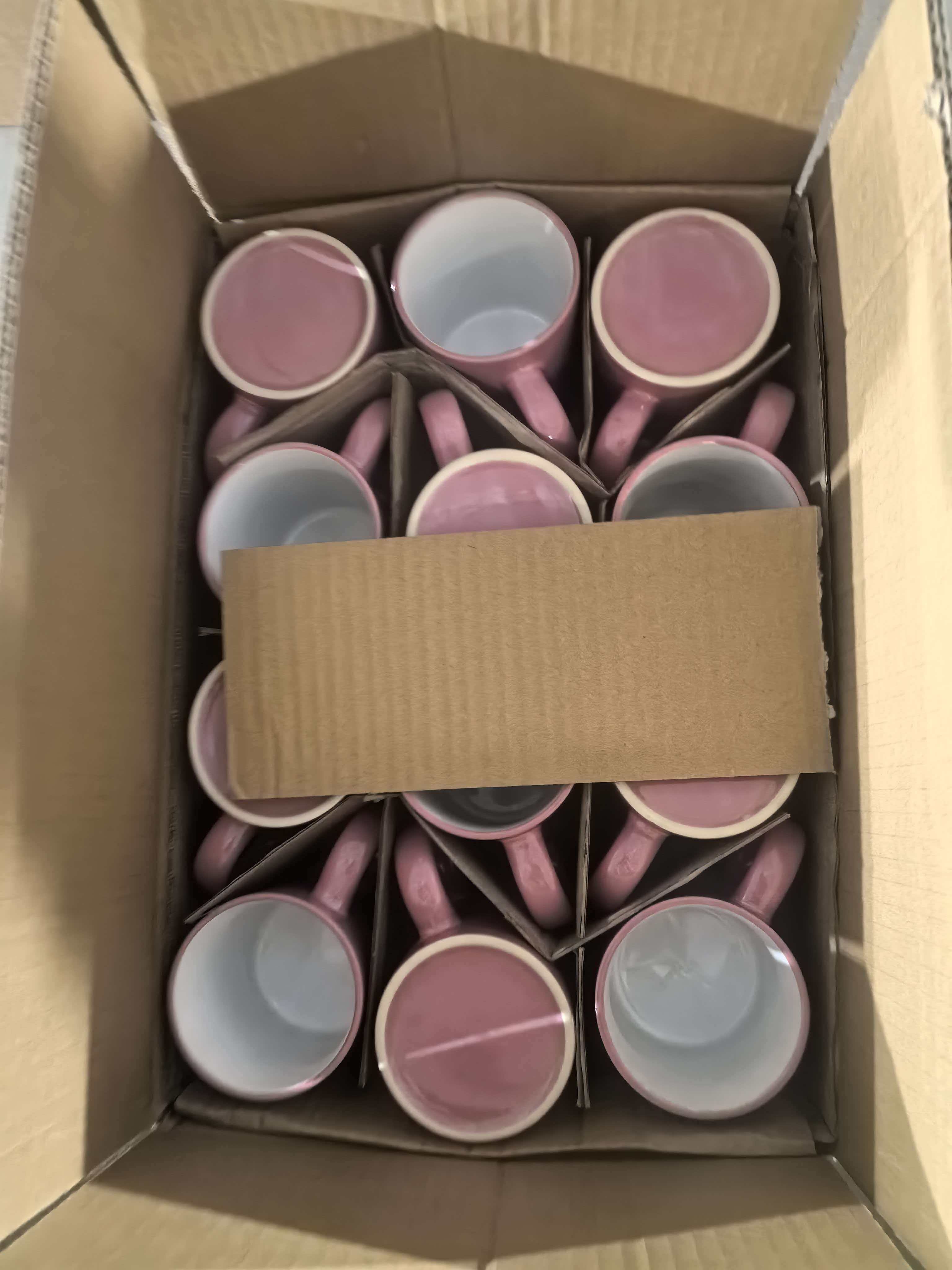 Alt: Neatly stacked and labeled master cartons containing custom ceramic mugs in a warehouse, ready for shipment.
Building a Successful Partnership with Your Ceramic Mug OEM Manufacturer
Selecting a manufacturer is not just a one-time transaction; it's the beginning of a crucial business relationship. The most successful custom projects are built on a foundation of collaboration, clear communication, and mutual trust. A true partner goes beyond simply fulfilling orders—they offer expert guidance, help solve problems, and grow with your business. Cultivating this type of partnership requires a strategic approach focused on long-term value.
Leveraging One-Stop Services and Flexibility from Your Ceramic Mug OEM Manufacturer
A manufacturer that can handle multiple aspects of the production process under one roof can be an invaluable asset, saving you time, money, and coordination headaches.
- Integrated Services: Look for partners who offer a "one-stop" solution. This can include in-house design support to refine your concepts, R&D for developing new materials or shapes, custom mold making, a wide variety of decoration techniques, and integrated packaging solutions. This integration streamlines the entire process, as you are dealing with a single point of contact and accountability.
- Prototyping and Sampling: A flexible partner will have a responsive and efficient sampling process. The ability to quickly produce and iterate on prototypes is crucial for finalizing your design before committing to mass production. They should be willing to provide physical samples so you can assess the quality, feel, and colors firsthand.
- Adaptability: Business needs change. A flexible manufacturer can adapt to shifting timelines, accommodate reasonable changes to an order, or help you develop a new product line in response to market trends. This flexibility is a sign of a partner who is invested in your success, not just in fulfilling a purchase order.
Fostering Clear Communication and Problem-Solving with Your Ceramic Mug OEM Manufacturer
Clear, consistent, and transparent communication is the lifeblood of any successful manufacturing partnership, especially when dealing with language barriers or different time zones.
- Dedicated Point of Contact: You should be assigned a dedicated account manager or sales representative who is fluent in your language and understands your project intimately. This person will be your primary liaison, responsible for answering your questions, providing updates, and resolving any issues that arise.
- Establishing Communication Protocols: Agree on a regular communication schedule and preferred channels (e.g., email, video calls). Proactive updates from the manufacturer—such as notifications when key production milestones are reached—are a sign of a well-organized and customer-focused operation.
- Collaborative Problem-Solving: Issues can and do arise in manufacturing. The difference between a good partner and a bad one is how they handle these challenges. A strong partner will alert you to potential problems early, be transparent about the cause, and come to the table with proposed solutions. They will work with you collaboratively to find a resolution that minimizes impact on the timeline and budget, rather than assigning blame or making excuses.
Planning for Future Growth and Product Expansion with Your Ceramic Mug OEM Manufacturer
Your first order is just the beginning. The ideal manufacturer is one that can support your business as it scales and evolves.
- Scalability: Ensure the manufacturer has the production capacity to grow with you. Discuss their ability to handle larger, more frequent orders in the future. Can they ramp up production to meet seasonal demand or a successful marketing campaign without compromising on quality or lead times?
- Innovation and Product Development: A forward-thinking manufacturer invests in new technologies, materials, and techniques. They keep an eye on industry trends and can act as a valuable source of ideas for your next product. A partner who can suggest a new type of glaze, a more eco-friendly material, or a innovative printing method is one that is actively contributing to your brand's growth.
- Long-Term Vision: Frame your relationship as a long-term partnership. When a manufacturer sees the potential for ongoing business, they are more likely to invest in your success, offer better terms, and prioritize your orders. By demonstrating your own a long-term commitment, you encourage them to become a true extension of your team, dedicated to helping you build a successful and lasting product line.
Frequently Asked Questions (FAQ)
1. What is the difference between OEM and ODM, and which one is right for me? OEM (Original Equipment Manufacturer) is a service where the factory produces a product based on your unique design and specifications. You own the design. ODM (Original Design Manufacturer) is when you choose a pre-existing design from the factory's catalog and customize it with your branding. OEM is best for truly unique products, while ODM is faster and more cost-effective for getting a standard product to market quickly.
2. How much does a custom mold for a ceramic mug typically cost? The cost for a new mold can vary widely, from a few hundred to several thousand dollars. The price depends on the complexity of the mug's shape, the material of the mold itself (plaster vs. steel), and the manufacturer's pricing. It's a one-time investment that gives you a proprietary shape.
3. What are the most common defects to look for in a ceramic mug sample? When you receive a pre-production sample, inspect it carefully for defects such as pinholes (tiny holes in the glaze), crazing (fine cracks in the glaze), color inconsistencies, smudged or misaligned artwork, chips, and warping. Also, check that the capacity and dimensions match your specifications.
4. How can I ensure the mugs are food-safe and non-toxic? You must require your manufacturer to provide compliance certificates from accredited third-party labs. For mugs sold in the U.S., this means passing FDA tests for lead and cadmium leaching. For Europe, they must comply with regulations like EC 1935/2004. Never take a manufacturer's word for it; always demand the documentation.
5. What is a realistic lead time for a custom ceramic mug order? A typical lead time, from order confirmation to readiness for shipping, is between 45 and 90 days. This includes about 1-2 weeks for sample approval, 4-8 weeks for mass production, and 1 week for quality control and packaging. International shipping by sea can add another 4-6 weeks to the total time until the product reaches your warehouse.
6. Is it possible to get a lower price than the one quoted? There are several ways to potentially lower your cost. Increasing your order quantity is the most direct way to reduce the per-unit price. You can also simplify your design by reducing the number of print colors or choosing a standard mug shape instead of a custom one. Openly discussing your budget constraints with the manufacturer can often lead to them suggesting cost-saving alternatives.
Ultimately, selecting the right ceramic mug OEM manufacturer is a strategic decision that reverberates through your product's quality, your budget, and your brand's success in the market. It is a choice that demands diligence and foresight.
By meticulously defining your project needs, thoroughly vetting potential partners on their credentials and capabilities, and maintaining a sharp focus on quality, transparency, and communication, you can forge a strong, long-lasting relationship with a manufacturer that truly supports your business goals. This rigorous process is an investment that pays dividends in a smoother production process and a superior final product.
With the right ceramic mug OEM manufacturer on your side, you'll be well-equipped to create custom ceramic mugs that not only meet your specifications but also delight your customers and strengthen your brand's presence. Take the time to choose your partner wisely, and you will build a foundation for success that lasts long after the first order is delivered.