How to Design a Mug That People Will Keep (and Use)
Table of Contents
- The Psychology of Everyday Objects: Why Some Mugs Become Favorites
- Handle Ergonomics: The Most Underrated Design Element
- Rim Design and the Drinking Experience
- Weight Distribution and Balance in the Hand
- Surface Texture: Tactile Appeal and Practical Function
- Color Psychology in Mug Design for Daily Use
- Printing Placement and Visual Impact Over Time
- Durability Considerations for Long-Term Use
- Designing for Dishwasher and Microwave Compatibility
- Balancing Aesthetic Appeal with Functional Longevity
The Psychology of Everyday Objects: Why Some Mugs Become Favorites
Every household has a collection of mugs that accumulates over years of promotional giveaways, gift exchanges, and personal purchases. Yet within that collection, one or two mugs consistently rise to the top and become the daily drivers that are reached for morning after morning. Understanding why certain mugs achieve this status while others remain at the back of the cabinet is the key to designing mugs that people genuinely want to keep and use. The phenomenon is not random but follows predictable principles of product design psychology that manufacturers and designers can deliberately apply.
Research in product attachment theory suggests that people form emotional bonds with objects that satisfy three fundamental criteria: functional reliability, sensory pleasure, and personal significance. A mug that delivers a consistently pleasant drinking experience, feels good in the hand, and carries some meaning for the user is far more likely to become a cherished daily companion. The most successful mug designs score high on all three dimensions, creating a product that is not merely a container for beverages but an object that enhances the daily ritual of drinking coffee or tea. The challenge for designers is to optimize each of these dimensions within the constraints of ceramic manufacturing and budget requirements.
The concept of material personality also plays a role in mug attachment. Ceramic, as a material, carries connotations of craftsmanship, warmth, and permanence that plastic or metal containers cannot replicate. People perceive ceramic mugs as more authentic and substantial, and this perception influences their willingness to form an attachment. When a ceramic mug is well-designed, it amplifies these inherent material qualities, creating an object that feels both purposeful and emotionally resonant. The tactile warmth of a ceramic mug, the slight unevenness of handcrafted glazes, and the subtle variations in surface texture all contribute to the sense that the mug is a unique object rather than a disposable commodity.
Handle Ergonomics: The Most Underrated Design Element
The handle is arguably the most critical design element of a mug, yet it is the feature most frequently neglected in custom mug design. A poorly designed handle can ruin an otherwise perfect mug, while a well-designed handle can elevate a simple ceramic form into a daily favorite. The ergonomics of mug handles involve multiple factors that must work together to create a comfortable and secure grip for users with different hand sizes and grip preferences.
The internal opening of the handle, the space between the handle and the mug body, must be large enough to accommodate fingers comfortably. A standard adult index finger measures approximately 16 to 20 millimeters in width, and the handle opening should allow at least two fingers to pass through with room to spare. An opening that is too narrow forces the user to grip with only the fingertips, creating instability and requiring more muscular effort to hold the mug securely. An opening of 25 to 35 millimeters is generally considered optimal for most users, accommodating a range of finger sizes while maintaining a visually proportional appearance.
Handle thickness is another critical parameter that directly affects comfort. A handle that is too thin concentrates pressure on a small area of the fingers, creating discomfort during extended use. A handle that is too thick may be difficult to grip securely, particularly for users with smaller hands. The ideal handle thickness ranges from 10 to 15 millimeters in diameter, with a slightly flattened oval cross-section that distributes pressure across a broader surface of the fingers. The cross-sectional shape is as important as the overall thickness, with rounded edges that follow the natural curve of the fingers providing the most comfortable experience.
The position of the handle relative to the mug body also affects the balance and comfort of the mug. The handle should be attached at a height that allows the mug to hang naturally when held, with the center of gravity of the full mug falling directly below the grip point. If the handle is attached too low, the mug will tilt backward when held, requiring the user to compensate with wrist tension. If the handle is attached too high, the mug may feel top-heavy and unstable. The optimal attachment point is typically at the vertical midpoint of the mug body, with the handle extending outward at a slight upward angle that allows the wrist to remain in a neutral position during use.
Rim Design and the Drinking Experience
The rim of a mug is the point of direct contact between the user and the object during every sip, making it one of the most important sensory design elements. Despite its significance, rim design is often treated as an afterthought in custom mug production, with standard rim profiles applied without consideration of the drinking experience. A well-designed rim should be thin enough to feel comfortable against the lips but thick enough to resist chipping during regular use and dishwasher cleaning.
The ideal rim thickness for a daily-use ceramic mug is approximately 2 to 3 millimeters at the contact point. Rims that are thinner than this threshold feel fragile and may chip easily, while rims that are thicker require the user to open the mouth wider to drink, which can feel awkward and unnatural. The rim should also have a slight outward curve or lip that guides the liquid smoothly into the mouth without dripping down the sides of the mug. This drip-resistant design is particularly important for mugs used with hot beverages, where drips can cause burns or stains on clothing.
The glaze finish on the rim also affects the drinking experience. A smooth, glossy glaze at the rim contact point provides the most comfortable sensory experience, gliding smoothly against the lips without friction. Matte glazes, while visually appealing on the mug body, can create a slightly rough texture at the rim that some users find unpleasant. The rim area should be free of glaze defects such as pinholes, bubbles, or rough spots that could irritate the lips during use. For custom mug designs, specifying a smooth rim finish is a simple but important detail that significantly improves the user experience.
The angle of the rim relative to the vertical axis of the mug also influences the drinking experience. A rim that is cut at a slight angle, typically 5 to 10 degrees from horizontal, allows the user to drink without tilting the head back as far. This ergonomic consideration is particularly important for mugs used in professional settings, such as coffee shops or office environments, where customers may be drinking while standing or walking. The angled rim also creates a more natural pouring angle for the liquid, reducing the likelihood of spills during drinking.
Weight Distribution and Balance in the Hand
The weight and balance of a mug significantly influence how it feels during use and whether users choose to reach for it repeatedly. A mug that feels well-balanced in the hand creates a subconscious impression of quality and craftsmanship, while a mug that feels awkward or heavy creates a negative association that discourages repeated use. The perception of weight is not simply about absolute mass but about how that mass is distributed and how the mug feels when empty versus when full.
The total weight of a typical 11oz ceramic mug should fall within a range of 300 to 450 grams when empty. Mugs that are lighter than this range may feel insubstantial and cheap, while mugs that are heavier may be tiring to hold and lift repeatedly throughout the day. The weight should be distributed evenly between the mug body and the handle, with the handle accounting for approximately 15 to 20 percent of the total weight. A handle that is too light relative to the body creates a sensation of imbalance, while a handle that is too heavy makes the mug feel handle-heavy and awkward to hold.
The wall thickness of the mug body is the primary determinant of weight distribution. A mug with uniformly thick walls will feel solid and substantial, but excessive thickness can make the mug uncomfortably heavy. The optimal wall thickness for a daily-use ceramic mug is approximately 4 to 6 millimeters, which provides sufficient thermal insulation to keep beverages hot while maintaining a comfortable overall weight. The base of the mug should be slightly thicker than the walls, typically 5 to 7 millimeters, to lower the center of gravity and improve stability when the mug is placed on a surface.
The balance of a full mug is equally important to the user experience. When filled with liquid, the center of gravity of the mug shifts upward, potentially making it feel top-heavy and unstable. A well-designed mug compensates for this shift by concentrating mass in the lower portion of the body, creating a stable platform that resists tipping. The handle should be positioned so that the center of gravity of the full mug falls within the footprint of the base when the mug is held, ensuring that the mug feels secure and balanced in the hand. This balance consideration is particularly important for mugs used in commercial settings, where stability and ease of handling are essential for efficient service.
Surface Texture: Tactile Appeal and Practical Function
The surface texture of a ceramic mug is a design element that communicates quality through touch, creating an immediate sensory impression that influences how users perceive the object. The choice between glossy, matte, satin, or textured finishes affects not only the visual appearance of the mug but also how it feels in the hand, how it interacts with printing processes, and how it performs in practical use over time. Each surface finish has distinct advantages and trade-offs that designers should consider carefully.
Glossy finishes are the most traditional choice for ceramic mugs, providing a smooth, reflective surface that feels pleasant to the touch and is easy to clean. The glossy surface resists staining from coffee and tea, and it does not show fingerprints or smudges as readily as matte finishes. However, glossy surfaces can become slippery when wet, making them more difficult to hold securely, particularly for users with limited hand strength. The glossy finish also highlights any surface imperfections, requiring higher manufacturing precision to achieve a flawless result.
Matte finishes have gained popularity in recent years for their modern, understated aesthetic and their superior grip characteristics. The slightly rough surface texture of a matte glaze provides better friction against the skin, making the mug easier to hold securely even when the hands are wet or the mug is full. Matte finishes also hide minor surface imperfections more effectively than glossy finishes, making them more forgiving in production. However, matte surfaces are more prone to staining from coffee and tea, and they may show wear patterns more visibly over time as the surface becomes polished through repeated handling and dishwasher cleaning.
Textured finishes, such as ribbed, hammered, or speckled surfaces, add a third dimension to the tactile experience of a mug. These textures create visual interest and a distinctive hand feel that sets the mug apart from standard smooth-finish products. Textured surfaces can also improve grip, particularly when the texture is applied to the sides of the mug body where the fingers wrap around. However, textured finishes can be more difficult to clean, with food particles and beverage residues potentially becoming trapped in the texture grooves. The texture should be designed with cleanability in mind, using patterns that are open enough to allow thorough cleaning without harboring bacteria.
Color Psychology in Mug Design for Daily Use
Color is one of the most powerful design tools available to mug designers, influencing both the initial appeal of the product and the long-term satisfaction of daily use. The psychology of color in product design is well-established, with different colors evoking specific emotional responses and associations that affect how users interact with the object. For mugs that are intended for daily use, the color choice should consider not only the initial visual impact but also how the color will be perceived over repeated exposure.
White remains the most popular color for daily-use mugs, and for good reason. White creates a sense of cleanliness and purity that is particularly appropriate for food and beverage containers. It provides the highest contrast for coffee and tea, allowing the user to appreciate the color and clarity of the beverage. White also serves as a neutral backdrop that does not compete with the visual presentation of the drink. However, white mugs show staining more readily than darker colors, and they may appear clinical or sterile in some settings. For promotional mugs, white provides the most versatile canvas for logo printing and design application.
Earth tones such as cream, beige, terracotta, and sage green have gained popularity in recent years for their warm, natural aesthetic that creates a sense of comfort and homeliness. These colors are particularly well-suited for mugs intended for home use, where the warm tones complement the domestic environment and create a sense of relaxation. Earth tones also hide minor staining better than white, maintaining their appearance longer with regular use. The subtle variations in natural-toned glazes create a handcrafted feel that many users find appealing, even when the mugs are mass-produced.
Dark colors such as black, navy, and charcoal create a sophisticated, premium appearance that is popular in commercial coffee shop settings. Dark mugs hide staining effectively and maintain their appearance over extended use, making them a practical choice for high-volume environments. The dark interior of a dark-colored mug also creates an interesting visual contrast with light-colored beverages such as lattes and cappuccinos, highlighting the crema and foam layers. However, dark mugs can make it difficult to see the beverage level, potentially leading to overfilling or spills. The glaze on dark mugs must be carefully formulated to ensure that it is food-safe and does not leach color into the beverage.
Printing Placement and Visual Impact Over Time
The placement of printed designs on a mug significantly affects how the mug is perceived and used over time. A design that is thoughtfully positioned in relation to the user's grip, the drinking rim, and the visual sightlines of the mug will be appreciated more consistently than a design that is placed arbitrarily. The relationship between the printed design and the physical interaction points of the mug determines whether the design enhances the user experience or detracts from it.
The primary viewing area of a mug is the surface that faces the user during drinking, typically the area directly opposite the handle. This is the optimal location for the main design element, as it receives the most visual attention during use. The design should be positioned so that it is visible when the mug is held in the drinking position, with the top of the design aligned approximately 15 to 20 millimeters below the rim. Designs that are placed too close to the rim may be partially hidden by the user's hand during drinking, while designs that are placed too low may be obscured by the table surface when the mug is set down.
The area of the mug that is gripped by the hand during use is another important consideration for design placement. If the printed design extends into the area where the user's fingers wrap around the mug, the design may be partially obscured during use, and the tactile sensation of the printed surface may be noticeable against the skin. For sublimation-printed designs, the printed surface is smooth and should not interfere with grip, but the visual impact of the design is reduced when it is covered by the user's hand. The handle side of the mug is typically reserved for secondary design elements such as logos, website URLs, or decorative patterns that do not require full visibility during use.
The durability of printed designs is a critical factor in the long-term appeal of a mug. A design that fades, scratches, or peels after repeated washing will diminish the user's attachment to the mug and reduce the likelihood of continued use. Sublimation printing, which embeds the dye into the coating of the mug rather than applying it on top of the surface, offers the best durability for full-color designs. The sublimation process creates a permanent bond that is resistant to fading, scratching, and chemical degradation from dishwashing detergents. For designs that require precise color matching or fine detail, sublimation provides the most reliable long-term results.
Durability Considerations for Long-Term Use
A mug that is designed for daily use must withstand the rigors of repeated handling, washing, and thermal cycling without showing significant signs of wear. The durability of a ceramic mug is determined by the quality of the raw materials, the precision of the manufacturing process, and the design choices that affect how the mug responds to stress. Designing for durability means considering the entire lifecycle of the product, from the first use through years of regular service.
The thermal shock resistance of a ceramic mug is one of the most important durability factors. Thermal shock occurs when a mug is subjected to rapid temperature changes, such as when hot coffee is poured into a cold mug or when a hot mug is placed under cold running water. The stress created by differential expansion and contraction can cause the ceramic body to crack or craze. Mugs that are designed for daily use should be manufactured from ceramic bodies that have been formulated for thermal shock resistance, with a coefficient of thermal expansion that minimizes stress during temperature changes. The wall thickness also affects thermal shock resistance, with thinner walls being more resistant to thermal stress than thick walls.
The glaze durability of a mug affects both its appearance and its functionality over time. A well-formulated glaze should be harder than the ceramic body beneath it, creating a protective layer that resists scratching, staining, and chemical attack from acidic beverages. The glaze should also have a coefficient of thermal expansion that closely matches the ceramic body, preventing crazing or peeling during thermal cycling. The glaze thickness should be consistent across the entire mug surface, with no thin spots that could compromise protection. For mugs that will be used in commercial settings and subjected to frequent dishwasher cleaning, the glaze formulation is particularly important for maintaining appearance over thousands of wash cycles.
The edge and corner durability of a mug is a practical consideration that affects its longevity in real-world use. The rim, base edge, and handle attachment points are the areas most vulnerable to chipping and impact damage. Rounded edges and corners distribute impact forces more effectively than sharp edges, reducing the likelihood of chipping when the mug is knocked against other objects during washing or storage. The handle attachment should be reinforced at the junction points, where the handle meets the mug body, as this is the area most likely to fail under stress. A well-designed handle attachment creates a smooth transition between the handle and the body, distributing stress across a broader area rather than concentrating it at a single point.
Designing for Dishwasher and Microwave Compatibility
Modern households and commercial kitchens rely on dishwashers and microwave ovens for convenience, and a mug that is not compatible with these appliances will be used less frequently. Designing for dishwasher and microwave compatibility requires specific material and process choices that ensure the mug can withstand the conditions inside these appliances without degrading. The compatibility should be clearly communicated to users through the mug design and packaging, as uncertainty about dishwasher and microwave safety can discourage use.
For dishwasher compatibility, the primary concern is the durability of the printed design and the glaze finish under the harsh conditions inside a commercial or residential dishwasher. Dishwasher detergents are alkaline and can attack certain glaze formulations and printing methods over repeated cycles. The high water temperature inside a dishwasher, typically 55 to 70 degrees Celsius, combined with the mechanical action of water jets, creates a challenging environment for decorated ceramics. Sublimation printing offers the best dishwasher compatibility because the dye is embedded within the coating rather than applied on top of it, making it resistant to chemical and mechanical attack. The glaze formulation should be tested for dishwasher resistance, with the glaze maintaining its gloss and color integrity after a minimum of 500 dishwasher cycles.
Microwave compatibility requires that the ceramic body and glaze materials do not contain metallic components that could cause sparking or heating during microwave operation. Some ceramic glazes contain metallic oxides for color effects, and these can create hot spots or arcing inside a microwave oven. For mugs that are intended for microwave use, the glaze formulation should be tested for microwave safety, with no metallic content that could cause issues. The ceramic body itself should be uniformly vitrified, with no moisture absorption that could cause heating during microwave operation. The handle design should also be considered for microwave use, as handles with narrow gaps or complex shapes can trap moisture and create localized heating.
The combination of dishwasher and microwave compatibility requires careful material selection and process control. The ceramic body should be fully vitrified with low porosity, typically less than 0.5 percent water absorption, to ensure that it does not absorb moisture that could cause thermal stress during microwave heating or expand during dishwasher cycles. The glaze should be formulated to resist both the chemical attack of dishwasher detergents and the thermal stress of microwave heating. For custom mug designs, specifying dishwasher and microwave compatibility from the outset ensures that the materials and processes are selected to meet these requirements, rather than attempting to retrofit compatibility after the design is finalized.
Balancing Aesthetic Appeal with Functional Longevity
The ultimate challenge in mug design is achieving the right balance between aesthetic appeal and functional longevity. A mug that looks beautiful but is uncomfortable to hold or difficult to clean will not be used regularly, while a mug that is purely functional but lacks visual appeal will not be selected from the cabinet in the first place. The most successful mug designs integrate aesthetic and functional considerations from the earliest stages of the design process, creating a product that is both beautiful and practical for daily use.
The principle of honest design applies particularly well to ceramic mugs. An honest design is one where the form follows the function, and the aesthetic choices enhance rather than compromise the usability of the product. Decorative elements that interfere with grip, glaze finishes that are difficult to clean, or handle shapes that are visually striking but uncomfortable to hold all represent failures of honest design. The most enduring mug designs are those where the aesthetic appeal emerges naturally from the functional requirements, creating a product that is beautiful because it works well rather than in spite of how it works.
User testing is an essential part of the design process for mugs intended for daily use. A design that looks good on paper or in a 3D rendering may reveal unexpected issues when handled by real users. Simple tests such as holding the mug with wet hands, drinking from it while standing, and washing it repeatedly in a dishwasher can reveal design flaws that would not be apparent from visual inspection alone. Manufacturers and designers should incorporate user testing into their development process, gathering feedback from a diverse group of users with different hand sizes, grip preferences, and usage patterns. The insights gained from user testing often lead to design refinements that significantly improve the final product.
Ultimately, the goal of mug design for daily use is to create an object that becomes invisible in the best possible way. A well-designed mug does not demand attention or require the user to adapt to its quirks; it simply works as expected, every time, allowing the user to focus on the experience of drinking rather than the vessel itself. When a mug achieves this level of functional transparency, it becomes a natural part of the daily routine, and users reach for it automatically without conscious thought. This is the highest compliment that a mug design can receive, and it is the standard that every custom mug designer should strive to achieve.
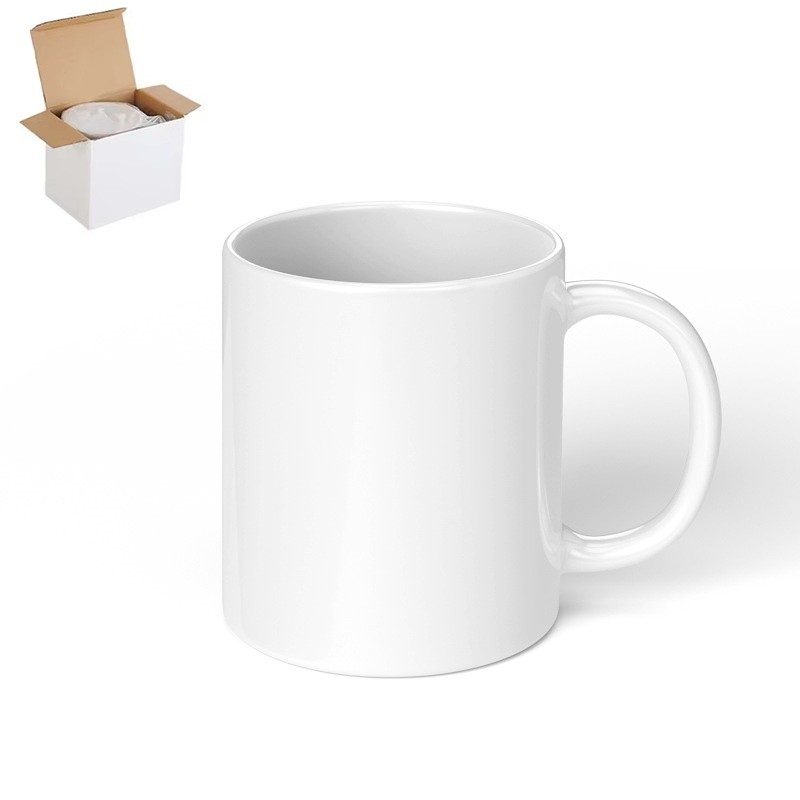
11oz Sublimation Blank Ceramic Mug
Classic 11oz white ceramic mug with premium sublimation coating, ideal for full-color custom designs and logo printing. Minimum order quantity: 5,000 pieces per design.
View Product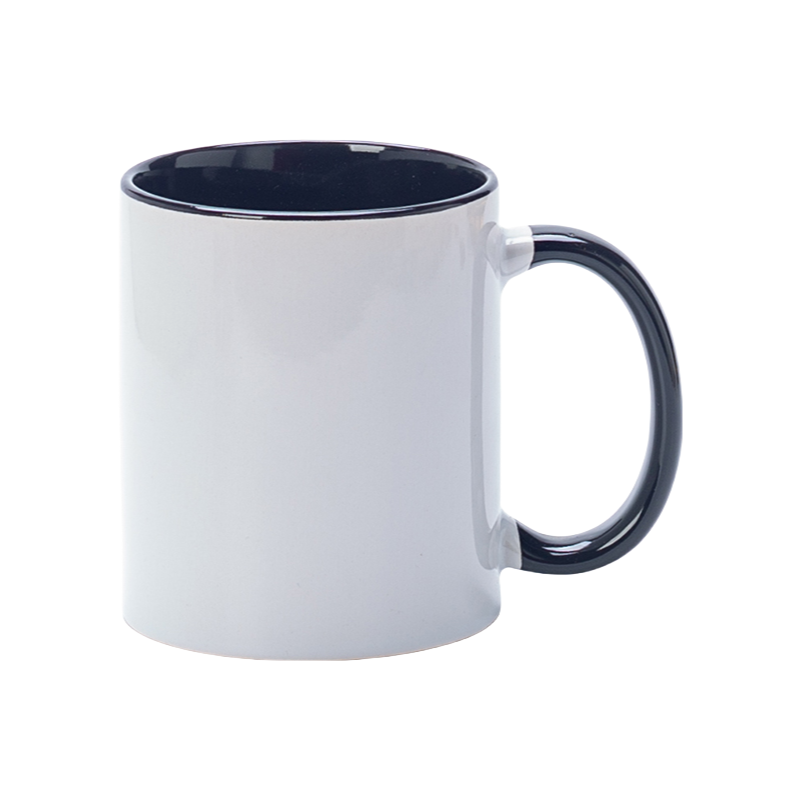
11oz Sublimation Magic Mug OEM Factory
Heat-reactive magic mug that reveals hidden design when filled with hot beverage, full-color sublimation printing. Minimum order quantity: 5,000 pieces per design.
View ProductStart Your Custom Mug Design Project Today
Contact Storiware for expert guidance on designing mugs that your customers will love and use every day. Our manufacturing team can help bring your design vision to life with precision and quality.
Get a Free QuoteThis article is for informational purposes only. Product specifications, production timelines, and pricing are subject to change based on order volume, design complexity, and current factory capacity. Please contact Storiware for a current quotation and production schedule.