How to Partner with a Ceramic Mug Factory for Bulk Custom Dinnerware and Mugs
Are you dreaming of launching your own unique line of custom dinnerware or mugs? It's a brilliant idea, whether you're a burgeoning business, a cozy cafe owner, or simply an individual looking to create personalized, high-quality items. The appeal of beautifully crafted ceramics that carry your brand or design is undeniable. However, the path from a great idea to a tangible product can seem daunting.
Partnering directly with a factory is often the most effective way to achieve scale and precision, but it can feel like a monumental step. That's why I'm here to guide you. This comprehensive article will walk you through every stage of how to successfully collaborate with a ceramic mug factory, empowering you to bring your bulk custom dinnerware and mug visions to life.
We will explore the entire journey, from the initial spark of an idea to the final delivery of your products. We'll cover how to meticulously design your items, find the perfect manufacturing partner that aligns with your quality standards, navigate the production process, and handle the crucial logistics. By the end, you'll have a clear roadmap for a smooth and successful project.
Key Takeaways
For those ready to dive in, here are the essential pillars of a successful factory partnership:
- Define Your Vision First: Before you even think about contacting a factory, have a crystal-clear vision for your product. This includes detailed specifications for design, material, size, color, and quantity. A well-defined plan prevents costly misunderstandings and delays.
- Thoroughly Vet Your Partners: The success of your product line hinges on the quality and reliability of your chosen factory. Don't rush this step. Research potential partners extensively, evaluate their experience, check for certifications like ISO 9001, and assess their communication responsiveness. Always request samples to verify their quality firsthand.
- Master the Production Process: Understand critical concepts like Minimum Order Quantities (MOQs), the prototyping phase, and quality control. Clear communication during prototyping is key to ensuring the final product matches your vision. Establish a robust quality control protocol before mass production begins.
- Establish Clear Agreements: Never proceed without a formal contract. Your agreement should explicitly detail payment terms, production timelines, shipping and packaging specifications, and protocols for handling defects. This legal framework protects both you and the manufacturer.
- Cultivate a Long-Term Relationship: View your manufacturer as a partner, not just a vendor. Building a relationship based on trust, transparency, and mutual respect can lead to better pricing, preferential treatment, and collaborative innovation in the future. Consistent communication and prompt payments are foundational to this partnership.
Understanding Your Vision Before Engaging a Ceramic Mug Factory
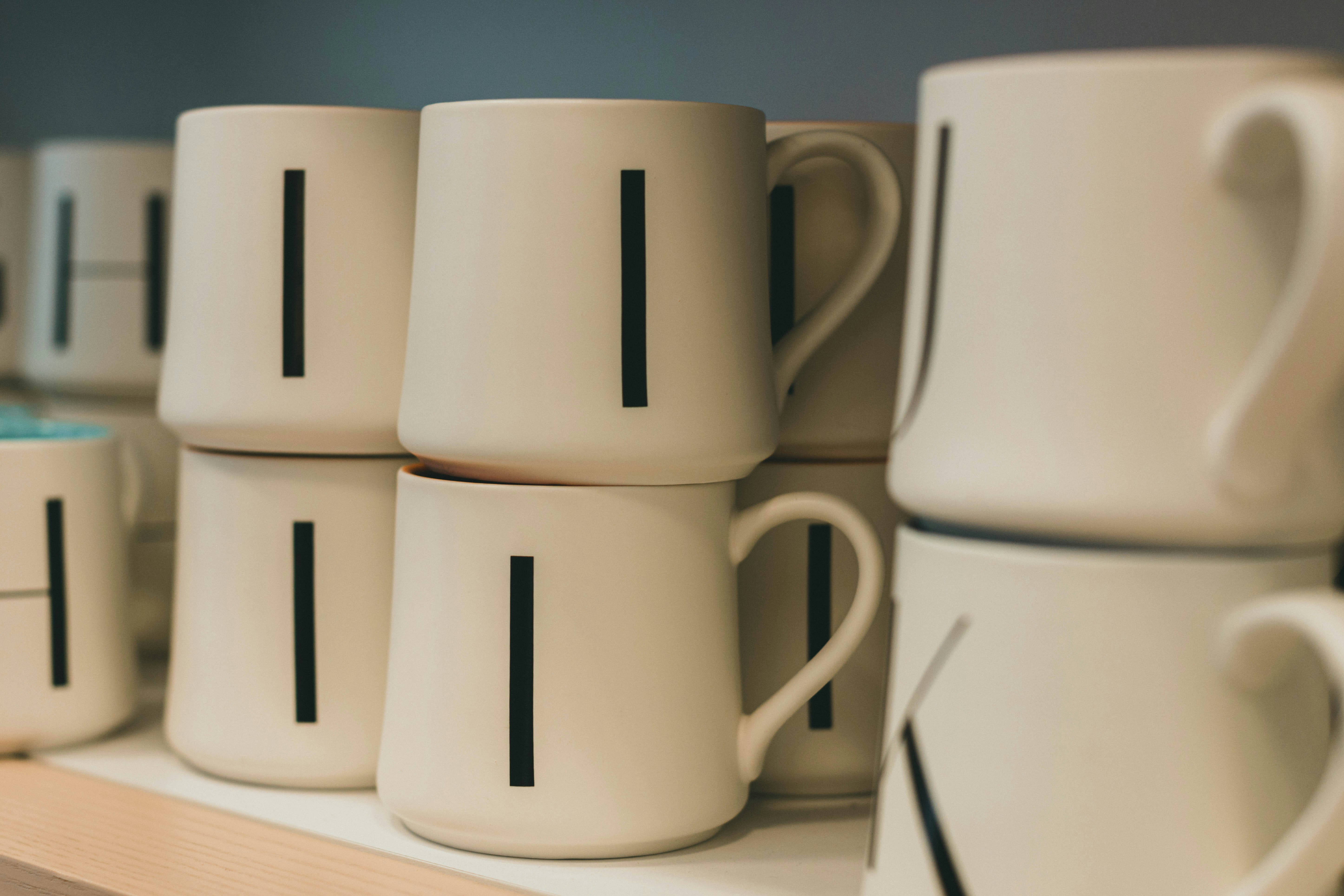
The journey to creating custom dinnerware begins not in a factory, but with your own vision. Before you can effectively communicate with a potential manufacturing partner, you must first have a detailed and comprehensive understanding of what you want to create. This foundational stage is the most critical for ensuring the final product aligns perfectly with your expectations. A lack of clarity at this point can lead to miscommunication, costly errors, and significant delays down the line. Taking the time to meticulously plan and define your project will set you up for a smooth and successful collaboration.
Clearly Defining Your Custom Dinnerware and Mug Requirements
To translate your idea into a producible item, you need to define its specifications in detail. A factory works with precise instructions, so providing a vague concept is not enough. You need to create a technical specification sheet, or "tech pack," for each item. This document should serve as the blueprint for your product.
Consider the following core attributes:
- Type of Ware: Are you creating mugs, plates, bowls, or a full dinnerware set?
- Dimensions: Specify the height, diameter, and handle size for mugs, or the diameter and depth for plates and bowls. Use precise measurements (e.g., in millimeters or inches).
- Capacity: For mugs and bowls, what is the desired volume in ounces or milliliters?
- Shape and Form: Provide detailed drawings or 3D renderings of the product's shape. Include specific details about the curvature of the walls, the style of the lip, and the ergonomics of the handle.
- Artwork and Branding: Where will your logo or design be placed? Specify the exact location, size, and colors. Provide your design in a vector file format (like .AI or .EPS) to ensure scalability without loss of quality. Define the printing method, whether it's decal printing, screen printing, or digital printing.
Creating this detailed brief ensures that any factory you approach will have a clear understanding of your needs, allowing them to provide a more accurate quote and feasibility assessment from the outset.
Considering Crucial Details: Quantity, Design, and Budget for Your Ceramic Mug Factory Project
With your design specifications in hand, the next step is to align them with the practical realities of your project: quantity, design complexity, and budget. These three elements are interconnected and will significantly influence your choice of factory and the final cost per unit.
- Quantity: How many units do you plan to order? This will be one of the first questions a factory asks, as it determines if your project meets their Minimum Order Quantity (MOQ). Bulk orders generally result in a lower cost per unit, but require a larger upfront investment. Be realistic about your needs; ordering too many can lead to excess inventory, while ordering too few might not be cost-effective or even possible.
- Design Complexity: A simple, one-color logo on a standard mug will be significantly cheaper and faster to produce than a custom-shaped mug with a multi-color, wrap-around design and a unique glaze. Every additional color, intricate detail, or non-standard feature adds to the manufacturing complexity and, consequently, the cost.
- Budget: Determine your total budget for the project. This should include not just the cost of production, but also shipping, import duties (if applicable), and packaging. Knowing your target cost per unit will help you negotiate with factories and make informed decisions about materials and design complexity. A clear budget helps you filter out potential partners who are out of your price range early in the process.
Here is a simple table to help you organize these crucial details:
| Project Detail | Specification Example | Notes for Factory Discussion |
|---|---|---|
| Product Type | Cylindrical Ceramic Mug | Standard shape, easy to source. |
| Initial Order Quantity | 1,000 units | Allows for negotiation on price and meets most MOQs. |
| Target Cost Per Unit | $2.50 - $3.50 | Provides a clear budget range for negotiation. |
| Design Details | Two-color logo, centered | Vector file provided; specify Pantone colors. |
| Material & Glaze | Stoneware, matte white glaze | Discuss food-safe and durability properties. |
| Timeline | 8-10 weeks from prototype approval | Includes production and transit time. |
The Importance of Material Choices When Working with a Ceramic Mug Factory
The material you choose for your dinnerware or mugs impacts everything from the final look and feel to durability, cost, and safety. A professional ceramic factory will offer a range of materials, and understanding their properties is crucial for making the right choice.
The most common materials used in machine-made, mass-produced ceramics are:
- Porcelain: Known for its strength, thinness, and smooth, non-porous surface. It has a high-end feel and is very durable, making it an excellent choice for restaurant-quality dinnerware. However, it is often one of the more expensive options.
- Stoneware: Heavier and more opaque than porcelain, stoneware is highly durable and has a classic, earthy feel. It's great at retaining heat, making it a popular choice for coffee mugs. It's generally more affordable than porcelain and offers a good balance of quality and cost.
- Earthenware: This is one of the oldest forms of pottery. It is more porous and less durable than stoneware or porcelain and can be prone to chipping. While often more affordable, it's typically better suited for decorative items rather than heavy-use dinnerware unless properly glazed to be food-safe.
When discussing materials, also inquire about the glazes. The glaze is the glassy coating that makes the ceramic waterproof and food-safe. It also determines the final color and finish (e.g., matte, glossy, or speckled). Ensure the factory confirms that both the ceramic body and the glaze are lead-free, cadmium-free, and comply with food safety standards like FDA or Prop 65 regulations in the United States.
Finding Your Ideal Ceramic Mug Factory Partner
Once your vision is clearly defined, the search for the right manufacturing partner begins. This is not a decision to be taken lightly; the factory you choose will be the single most important factor in the quality of your final product and the smoothness of your supply chain. An ideal partner is more than just a vendor—they are a collaborator who can offer expertise, ensure consistency, and help you scale your business. The vetting process requires diligence, patience, and a keen eye for detail.
Key Factors to Look for in a Reputable Ceramic Mug Factory
A reputable factory is defined by more than just its ability to produce goods. It operates with a commitment to quality, transparency, and ethical practices. As you begin your search through online directories, trade shows, or industry referrals, keep these key factors at the forefront of your evaluation.
- Specialization and Capabilities: Does the factory specialize in the type of ceramic product you want to create? A factory that primarily makes industrial ceramics may not have the finesse required for dinnerware. Scrutinize their product catalog and past work to see if it aligns with your aesthetic. Do they have the machinery for the specific shapes, sizes, and printing techniques you require?
- Production Scale: Ensure the factory's production capacity matches your needs. Some factories are set up for massive orders of 100,000+ units, while others are more flexible and can accommodate smaller runs of 1,000-5,000 units. A mismatch here can lead to your order being deprioritized or, conversely, you paying for unused capacity.
- Ethical and Social Compliance: In today's market, consumers are increasingly concerned with where and how their products are made. Inquire about the factory's labor practices. Reputable manufacturers will often have certifications like BSCI (Business Social Compliance Initiative) or Sedex, which audit working conditions, fair wages, and worker safety. Partnering with an ethical factory is not only the right thing to do, but it also protects your brand's reputation.
Evaluating Experience, Quality Certifications, and Reliable Communication from a Ceramic Mug Factory
Beyond the basics, you need to dig deeper to verify a factory's claims. Experience, official certifications, and communication are the three pillars that support a trustworthy manufacturing relationship.
- Experience and Track Record: How long has the factory been in business? How long have they been exporting to your target market (e.g., the United States)? A factory with extensive export experience will be familiar with your country's regulations, labeling requirements, and shipping logistics, which can prevent major headaches. Ask for case studies or references from clients in non-competing industries.
- Quality Certifications: Quality is not subjective; it should be measurable and certified. Look for factories that are ISO 9001 certified. This is an internationally recognized standard for a quality management system, indicating that the factory has established and follows strict processes for ensuring consistent product quality and continuous improvement. For food-related items, certifications confirming compliance with FDA and California Proposition 65 are non-negotiable for the US market. These ensure the products are free from harmful levels of lead and cadmium.
- Communication: This is perhaps the most critical, yet often overlooked, aspect. Is the sales representative you're dealing with fluent in your language? Do they respond to your emails promptly and clearly? A communication breakdown can derail a project faster than any production issue. A good partner will be proactive, ask clarifying questions, and keep you informed about progress without you having to constantly chase them for updates.
Practical Tips for Researching and Vetting Potential Ceramic Mug Factory Partners
Finding and verifying the credentials of a factory, especially one overseas, can feel like a daunting task. Here are some actionable steps to make the process more manageable and effective.
- Utilize B2B Platforms (with caution): Websites like Alibaba, Made-in-China, and Global Sources are good starting points for finding a long list of potential suppliers. However, treat these platforms as directories, not endorsements. Use their filters to find suppliers with years of experience, a high response rate, and on-site verification reports.
- Request Samples: Never commit to a bulk order without first seeing and testing a sample. Request a generic sample of their previous work to assess their baseline quality. Once you are more serious, you will move on to a custom prototype, but an initial sample is a quick and inexpensive way to gauge their craftsmanship. Does it feel sturdy? Is the glaze even? Is the printing sharp?
- Conduct a Factory Audit (if possible): For large orders, investing in a third-party factory audit is highly recommended. These services will send an inspector to the factory to verify its existence, check its quality control systems, and assess its working conditions. This provides an unbiased report on the factory's capabilities and legitimacy.
- Schedule a Video Call: A video call with your sales contact and, if possible, a production manager can be incredibly insightful. It allows you to build a personal connection and ask detailed questions face-to-face. You can even request a virtual tour of the production floor to see their machinery and processes in action. This simple step can reveal a lot about their professionalism and transparency.
By being methodical and refusing to cut corners during the vetting phase, you significantly increase your chances of finding a factory that will not only meet your expectations but become a valuable partner in your brand's growth.
Navigating the Customization and Production Process with a Ceramic Mug Factory
You've defined your vision and selected a promising factory partner. Now it's time to move into the most exciting phase: bringing your custom dinnerware to life. This stage is a delicate dance of collaboration, negotiation, and meticulous oversight. Successfully navigating the customization and production process requires clear communication, a firm understanding of manufacturing terms, and a proactive approach to quality control. This is where your detailed planning pays off and your partnership with the factory is truly tested.
From Design Submission to Prototyping: Collaborating with Your Chosen Ceramic Mug Factory
The first step in production is turning your digital design into a physical object. This begins with submitting your detailed tech pack to the factory's engineering team. They will review your specifications for manufacturability and may suggest minor adjustments to improve the production efficiency or durability of the final product. Be open to their expert feedback, as they understand the limitations and capabilities of their machinery better than anyone.
Once the design is finalized, the factory will create a prototype or a "pre-production sample." This is a critical checkpoint. The prototype is your single best opportunity to make corrections before committing to a full production run. When you receive it, evaluate it against your tech pack with ruthless precision:
- Physical Attributes: Are the dimensions, capacity, weight, and shape exactly as you specified?
- Color and Finish: Does the color of the mug and the printed design match your specified Pantone colors? Is the glaze finish (matte or glossy) correct? View the sample in different lighting conditions.
- Print Quality: Is the logo sharp and clear? Is it positioned correctly? Is it durable? Try to scratch it lightly with a coin to test its adherence.
- Functionality: Is it comfortable to hold? If it's a food product, test its usability. Run it through a dishwasher and microwave (if you specified these requirements) to ensure it holds up.
Provide your feedback to the factory in a clear, consolidated document with photos and specific instructions for any required changes. It's common to go through one or two rounds of prototypes to get everything perfect. Do not approve the prototype for mass production until you are 100% satisfied.
Understanding Minimum Order Quantities (MOQs) and How to Discuss Them with a Ceramic Mug Factory
Minimum Order Quantity (MOQ) is the lowest number of units a factory is willing to produce in a single run. Factories implement MOQs to ensure they can cover their setup costs—which include configuring machinery, preparing materials, and creating molds or screens—and still make a profit. For custom ceramic mugs, MOQs can range from 500 to several thousand units, depending on the factory and the complexity of the design.
While MOQs can seem intimidating for small businesses, they are sometimes negotiable. Here are a few strategies for discussing MOQs with your factory:
- Negotiate Based on Future Business: If you plan to place larger orders in the future, you can use this as leverage. You might say, "Our initial test order is for 1,000 units, but we project ordering 5,000 units quarterly if the product is successful."
- Offer a Higher Price Per Unit: A factory may be willing to produce a smaller quantity if you agree to pay a premium for each item, which helps them cover their fixed costs.
- Simplify the Design: A lower MOQ might be possible if you reduce the number of colors in your design or opt for a standard mug shape that the factory produces regularly.
- Combine Orders: If you are ordering multiple designs, ask if the total quantity can be used to meet the MOQ, even if the individual design quantities are lower.
Understanding the factory's perspective is key. They aren't trying to be difficult; they are running a business with its own cost structures. A collaborative conversation is more effective than a hard-line demand.
Ensuring Quality Control and Providing Feedback to Your Ceramic Mug Factory Throughout Production
Your responsibility for quality doesn't end after you approve the prototype. A robust Quality Control (QC) plan is essential for maintaining consistency across thousands of units. You cannot personally inspect every mug, so you need to establish a system with your factory.
Here’s a proven framework for production QC:
- Agree on a Quality Standard: Create a "Quality Specification Sheet" with your factory. This document should explicitly define what constitutes an acceptable product and what is considered a defect. Use photos to illustrate examples of major defects (e.g., cracks, incorrect colors, broken handles) and minor defects (e.g., a tiny speck in the glaze, a slight variation in print placement).
- Establish Inspection Points: Agree on when inspections will occur. A common approach is the AQL (Acceptable Quality Limit) method, which involves inspections at three key stages:
- First Article Inspection (FAI): Inspecting the first few units off the production line to catch any systemic issues early.
- During Production Inspection (DUPRO): An inspection when 20-50% of the order is complete to ensure quality is being maintained.
- Final Pre-Shipment Inspection: A final check of a random sample of the finished and packaged goods before they are shipped. This is your last chance to catch issues before you pay the final balance.
- Consider a Third-Party Inspector: For significant orders, hiring a local third-party inspection service near your factory is a wise investment. They act as your eyes and ears on the ground, providing an unbiased and professional report on the quality of your goods. This service typically costs a few hundred dollars but can save you thousands in defective products.
Clear, consistent feedback is vital. When issues are found, communicate them immediately with clear evidence (photos, videos) and work with the factory on a corrective action plan. A great factory partner will appreciate your commitment to quality and work with you to resolve problems.
Logistics and Building a Long-Term Relationship with Your Ceramic Mug Factory
The final leg of the journey involves getting your products from the factory floor to your warehouse or front door. This logistical phase is as critical as the production itself. Simultaneously, as your first order nears completion, it's time to think beyond a single transaction. Cultivating a strong, long-term partnership with your ceramic mug factory can provide immense strategic advantages, fostering growth, stability, and innovation for your brand. A successful partnership is built on clear agreements and mutual trust.
Discussing Shipping, Packaging, and Delivery Timelines with the Ceramic Mug Factory
Don't wait until production is finished to discuss logistics. These details should be ironed out early in the negotiation process.
- Shipping Terms (Incoterms): You must agree on the Incoterms, which are a set of standardized international trade terms. The most common are:
- EXW (Ex Works): You are responsible for picking up the goods from the factory gate. This gives you full control but also full responsibility for all shipping and customs processes.
- FOB (Free On Board): The factory is responsible for getting the goods to the designated port and loaded onto the cargo ship. From that point on, you take over responsibility for ocean freight, insurance, customs clearance, and final delivery. This is a very common and balanced option for importers.
- DDP (Delivered Duty Paid): The factory manages the entire process, including shipping, customs, and delivery to your final destination. While this is the most hands-off option, it is also the most expensive and gives you less control over the process.
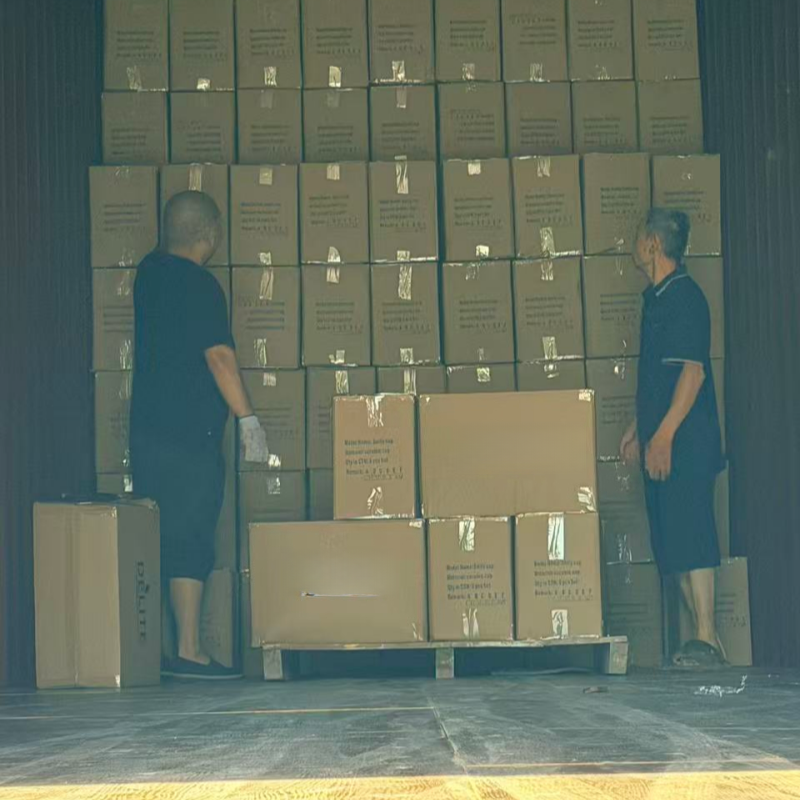
- Packaging: Ceramics are fragile. Your packaging must protect the product during a long and often rough transit. Discuss packaging requirements in detail. Will each mug be in an individual box? Will those boxes be placed in a master carton? Specify the carton thickness, the use of dividers, and any necessary protective materials like bubble wrap or foam inserts. A "drop test" is often a good idea, where a packaged carton is dropped from a certain height to ensure it can withstand rough handling.
- Delivery Timelines: The production lead time is only part of the equation. Ocean freight from Asia to the US can take 3-6 weeks, plus time for customs clearance and inland trucking. Airfreight is much faster (5-10 days) but significantly more expensive and usually reserved for small, urgent orders or high-value goods. Work with the factory and a freight forwarder to get a realistic total delivery timeline.
Understanding Payment Terms and Contracts When Partnering with a Ceramic Mug Factory
A formal contract and clear payment terms are essential to protect both parties. A handshake deal is not sufficient for international trade.
- The Contract/Purchase Order (PO): Your PO is a legally binding contract. It should include all the details you've agreed upon: product specifications, quantity, unit price, total price, quality standards, packaging requirements, production lead time, and shipping terms. Ensure your tech pack and quality specification sheet are referenced in the PO.
- Payment Terms: The standard payment structure for custom manufacturing is not 100% upfront. A common and fair arrangement is a 30% deposit upfront and the remaining 70% upon completion of the order, often after a successful pre-shipment inspection but before the goods are released to your shipper. This structure provides the factory with capital to buy raw materials while motivating them to complete the order to your satisfaction to receive the final payment. For long-term partners with a history of successful orders, you may be able to negotiate more favorable terms, such as 50% on completion and 50% 30 days after delivery (Net 30). Avoid paying 100% upfront at all costs, as it removes all your leverage if something goes wrong.
Strategies for Cultivating a Lasting and Trustworthy Partnership with Your Ceramic Mug Factory Supplier
Your first order is just the beginning. The real value comes from building a relationship that lasts for years. A factory that knows and trusts you is more likely to offer better pricing, prioritize your orders during busy seasons, and collaborate with you on developing new products.
Here are some strategies for building that partnership:
- Communicate Consistently and Respectfully: Keep your contact at the factory informed about your sales progress and future needs. Treat them as a valued partner. A simple "thank you" or acknowledging their hard work can go a long way.
- Pay On Time, Every Time: Prompt payment is the single most effective way to build trust and goodwill. If you say you will pay after a successful inspection, do it immediately. This makes you a reliable and low-risk client.
- Provide Constructive Feedback: When things go well, let them know. Share positive customer reviews related to the product quality. If there are issues, present them constructively and focus on finding a solution together rather than just placing blame.
- Visit the Factory (If Possible): If your business grows, consider visiting the factory in person. This demonstrates a high level of commitment and allows you to build a personal relationship with the team that goes beyond emails and video calls.
- Share Your Vision: Let your factory partner in on your long-term vision. If they know you're planning to launch a new line of bowls next year, they can start thinking about materials and capabilities ahead of time. This collaborative approach can lead to valuable insights and a smoother development process.
By treating your manufacturer as a strategic partner, you move beyond a simple transactional relationship and create a powerful alliance that can be a cornerstone of your brand's success.
Frequently Asked Questions (FAQ)
1. How much does it cost to get a custom mug made? The cost per mug depends heavily on quantity, material, design complexity, and printing method. For a bulk order (e.g., 1,000+ units) of a standard stoneware mug with a simple two-color logo, you might expect a factory price between $2 and $5 per unit. This does not include shipping, customs, or taxes. Complex shapes, multiple colors, or premium materials like fine porcelain will increase the cost.
2. What is a realistic timeline for a custom dinnerware project? From finalizing your design to having the product in your US warehouse, a realistic timeline is typically 3-4 months. This breaks down into:
- Prototyping: 2-4 weeks
- Mass Production: 4-6 weeks
- Ocean Freight & Customs: 4-6 weeks This can be faster or slower depending on factory capacity, shipping lane congestion, and the number of revisions needed.
3. What is the difference between porcelain and stoneware? Porcelain is fired at a higher temperature, making it thinner, lighter, stronger, and less porous than stoneware. It often has a more refined, high-end appearance. Stoneware is denser, more opaque, and has a more rustic or substantial feel. It's excellent for everyday use and heat retention. Your choice depends on your brand's aesthetic, the product's intended use, and your budget.
4. How can I be sure the mugs are safe for food use? To ensure food safety, especially for products sold in the US, you must work with a factory that can guarantee its products are lead-free and cadmium-free. Specifically request that the products comply with FDA and California Proposition 65 standards. Reputable factories will be able to provide test reports from certified labs to prove compliance. Never skip this step.
5. Can I get a smaller quantity than the factory's MOQ? Sometimes, but it requires negotiation. You can offer to pay a higher price per unit, simplify your design to reduce setup costs, or inquire about combining your order with another in-production run of a similar item. Building a good relationship with the factory and presenting a plan for future, larger orders can also make them more flexible on your initial test order.
Conclusion
By following these comprehensive steps, you are now well-prepared to partner with a ceramic mug factory and transform your unique custom dinnerware and mug ideas into tangible, high-quality products. From clarifying your initial vision and meticulously vetting potential partners to navigating the intricacies of production and logistics, you have the roadmap to confidently manage the entire process. This journey is one of precision, communication, and strategic planning.
Remember, a truly successful and lasting manufacturing partnership is built on a foundation of clear communication, mutual respect, and a shared understanding of your goals. When you view your factory as a partner rather than just a supplier, you create an environment ripe for collaboration and innovation. This approach not only ensures you receive high-quality products that you'll be proud to put your name on but also builds a resilient supply chain that can support your brand's growth for years to come.
I encourage you to take the first step today. Begin by refining your vision, detailing your product specifications, and starting the exciting search for your ideal manufacturing partner. Your journey toward creating truly unique custom ceramic items is within reach, and with the right preparation, it is destined for success.