Latte Art Mugs: Choosing the Right Shape for the Perfect Pour
Table of Contents
- Why Mug Shape Matters for Latte Art
- The Anatomy of a Latte Art Mug: Key Dimensions and Angles
- Rim Design: The Gateway to Pattern Precision
- Bowl Profile: How Internal Curvature Affects Pouring Dynamics
- Bowl Depth and Milk Foam Behavior
- Handle Design for Barista Control and Presentation
- Material Selection: Thermal Properties and Foam Stability
- Mug Capacity and Its Relationship to Drink Recipes
- Testing and Evaluating Mugs for Latte Art Performance
- Selecting the Right Mug for Your Coffee Shop
Why Mug Shape Matters for Latte Art
Latte art is the practice of pouring steamed milk into espresso to create patterns on the surface of the drink, ranging from simple hearts and rosettas to complex swans and tulips. While much of the focus in barista training is on milk steaming technique and pouring control, the shape of the mug plays a fundamental role in determining the quality of the final result. A mug that is optimized for latte art creates favorable conditions for pattern formation, while a mug with poor geometry can frustrate even the most skilled barista.
The relationship between mug shape and latte art quality is rooted in fluid dynamics. When steamed milk is poured into espresso, the interaction between the two liquids is governed by surface tension, viscosity, and flow velocity. The shape of the mug influences how the milk flows across the surface of the espresso, how the foam spreads, and how the pattern develops. A mug with the correct internal geometry guides the milk flow naturally, allowing the barista to focus on the creative aspects of pouring rather than fighting against the vessel.
Professional baristas who compete in latte art championships are acutely aware of the importance of mug selection. Competitors often bring their own mugs to competitions, having carefully selected vessels that match their pouring style and the specific patterns they plan to execute. The same attention to mug selection should apply in commercial coffee shops, where the quality of latte art directly affects customer satisfaction and social media visibility. This guide provides a comprehensive examination of the mug design factors that influence latte art performance, helping coffee shop owners and baristas make informed decisions about their serving vessels.
The Anatomy of a Latte Art Mug: Key Dimensions and Angles
Understanding the specific dimensions and angles that affect latte art performance is essential for selecting or designing the optimal mug. The internal geometry of the mug is the primary determinant of how milk flows and patterns form, and small differences in key dimensions can have significant effects on the final result. The critical dimensions include the internal diameter at the rim, the internal diameter at the base, the bowl depth, the angle of the side wall, and the radius of the bottom curve.
The internal diameter at the rim is the most important dimension for latte art, as it determines the surface area available for pattern creation. A wider rim provides a larger canvas for detailed designs, allowing the barista to create more elaborate patterns with greater precision. However, a wider rim also requires more milk to cover the surface, which can be challenging for smaller drink sizes. The optimal rim diameter for latte art mugs typically ranges from 80 to 95 millimeters, with 85 to 90 millimeters being the most commonly preferred range among professional baristas. Mugs with rim diameters below 80 millimeters restrict the available surface area, limiting the complexity of patterns that can be created.
The angle of the side wall, measured from the vertical axis, determines how the mug narrows from the rim to the base. A side wall that is nearly vertical, with an angle of 5 to 10 degrees, creates a consistent surface area throughout the depth of the mug, which provides predictable milk flow characteristics at different fill levels. A more tapered side wall, with an angle of 15 to 20 degrees, creates a narrower base that concentrates the espresso and milk at the bottom, potentially affecting the flow dynamics during pouring. Most latte art mugs use a moderate taper of 10 to 15 degrees, which balances the benefits of a wide rim with the stability of a narrower base.
The bottom curve radius, which is the transition between the side wall and the flat base of the mug, affects how the milk flows at the bottom of the pour. A sharp corner at the bottom creates a discontinuity in the flow path that can disrupt the milk flow and cause unwanted turbulence. A generous bottom curve radius, typically 15 to 25 millimeters, creates a smooth transition that allows the milk to flow naturally from the bottom up the sides of the mug. The smooth bottom curve also makes the mug easier to clean, as there are no sharp corners where residues can accumulate.
Rim Design: The Gateway to Pattern Precision
The rim of a latte art mug is the interface between the barista and the drink, and its design directly affects the precision with which patterns can be executed. The rim shape determines how the milk stream exits the pitcher and enters the mug, influencing the flow rate, the direction of the stream, and the point at which the milk contacts the espresso surface. A well-designed rim provides the barista with consistent, predictable flow characteristics that enable precise pattern formation.
The internal rim profile is particularly important for latte art. A rim that has a sharp internal edge can cause the milk stream to break or splatter as it flows over the edge, creating bubbles and disrupting the pattern. A rim with a rounded internal profile, typically with a radius of 2 to 4 millimeters, allows the milk to flow smoothly over the edge without breaking the stream. The smooth internal rim profile also prevents the accumulation of dried milk residue, which can cause inconsistent flow and affect the quality of subsequent pours.
The thickness of the rim at the pouring point also affects the flow characteristics. A thin rim, typically 2 to 3 millimeters thick, creates a clean break point for the milk stream, allowing the barista to control the flow precisely. A thick rim, 4 to 5 millimeters or more, creates a wider surface over which the milk must flow, potentially causing the stream to spread and lose definition. The rim should be thin enough to provide a clean pour point but thick enough to resist chipping and maintain durability through repeated use and dishwasher cleaning.
The external rim profile, while less directly involved in the pouring process, affects the overall drinking experience and the visual presentation of the finished latte art. A slightly flared external rim creates a visually appealing profile that frames the latte art and draws attention to the surface design. The flared rim also provides a comfortable drinking surface, with the outward curve fitting naturally against the lips. The combination of a rounded internal profile and a flared external profile creates a rim that is optimized for both pouring performance and drinking comfort.
Bowl Profile: How Internal Curvature Affects Pouring Dynamics
The internal curvature of a latte art mug, often referred to as the bowl profile, determines how the milk and espresso interact during the pouring process. The bowl profile influences the flow path of the milk as it enters the mug, the way the milk spreads across the surface of the espresso, and the depth at which the milk penetrates before rising to the surface. Understanding the relationship between bowl profile and pouring dynamics allows baristas to select mugs that complement their pouring technique and the specific patterns they intend to create.
A bowl profile with a gentle, continuous curve from the rim to the base creates the most favorable conditions for latte art. The continuous curve allows the milk to flow smoothly along the wall of the mug without encountering abrupt changes in direction that could cause turbulence. The smooth curve also guides the milk naturally toward the center of the mug, where it can interact with the espresso in a controlled manner. Mugs with a U-shaped bowl profile, where the bottom curve transitions smoothly into the side walls, are generally preferred for latte art because they provide the most predictable flow characteristics.
A bowl profile with a flat bottom and sharp corners creates a different flow dynamic that can be more challenging for latte art. When the milk reaches the bottom of the mug, it encounters the flat surface and must change direction abruptly to flow along the bottom. This change in direction can create turbulence that disturbs the developing pattern. The flat bottom also creates a pooling effect where the milk collects before rising to the surface, which can result in less controlled pattern formation. While some baristas prefer this flow characteristic for specific techniques, the U-shaped bowl profile is generally more versatile and easier to work with.
The curvature of the bowl also affects the visual presentation of the finished latte art. A mug with a pronounced curve creates a natural focal point at the center of the surface, where the deepest part of the bowl is located. This focal point draws the eye to the center of the pattern, creating a more visually appealing presentation. The curve also creates subtle shadows and highlights on the surface of the drink that enhance the three-dimensional appearance of the latte art. For coffee shops that prioritize visual presentation, the bowl profile is an important consideration that affects both the pouring process and the final appearance of the drink.
Bowl Depth and Milk Foam Behavior
The depth of the bowl directly affects how the milk foam behaves during the pouring process and how the finished latte art appears on the surface. Bowl depth is measured from the rim to the bottom of the interior, and it determines the volume of liquid that the mug can hold and the distance that the milk must travel from the pouring point to the bottom of the mug. The relationship between bowl depth and foam behavior is complex, involving factors such as buoyancy, surface tension, and fluid velocity.
A shallow bowl, with a depth of 55 to 65 millimeters for a standard 8 to 10 ounce latte, allows the milk to reach the bottom of the mug quickly and begin rising to the surface. The shorter travel distance means that the milk retains more of its kinetic energy when it reaches the bottom, creating a more energetic interaction with the espresso. This can result in better foam integration and more defined patterns, as the milk has sufficient energy to push through the espresso and create clear contrast. Shallow bowls are generally preferred by baristas who pour intricate patterns that require precise control over milk flow.
A deep bowl, with a depth of 70 to 85 millimeters for the same drink volume, requires the milk to travel a longer distance to reach the bottom. The longer travel distance dissipates some of the kinetic energy of the milk stream, resulting in a gentler interaction with the espresso. The deeper bowl also means that the milk must displace a larger volume of liquid before rising to the surface, which can create a more gradual pattern development. Deep bowls are often preferred for drinks with a higher milk-to-espresso ratio, such as lattes, where the additional volume requires a deeper vessel to maintain proper proportions.
The foam stability within the bowl is also affected by the depth and diameter relationship. A mug that is too wide relative to its depth creates a large surface area that accelerates heat loss from the drink, causing the milk foam to break down more quickly. A mug that is too narrow relative to its depth concentrates the foam in a smaller area, making it more difficult to create detailed patterns. The optimal ratio of rim diameter to bowl depth for latte art is approximately 1.3 to 1.5 to 1, meaning that the rim diameter is 1.3 to 1.5 times the bowl depth. This ratio provides sufficient surface area for pattern creation while maintaining adequate depth for foam stability and heat retention.
Handle Design for Barista Control and Presentation
While the handle of a latte art mug may seem less important than the bowl geometry, it plays a significant role in the barista ability to control the mug during pouring and present the finished drink to the customer. The handle design affects how the barista grips the mug, how the mug is positioned relative to the pouring pitcher, and how the drink is handed to the customer. A well-designed handle enhances the barista control and improves the overall service experience.
The orientation of the handle relative to the pouring side of the mug is a critical consideration for latte art. The handle should be positioned so that the barista can pour the latte art from the side opposite the handle, allowing the pitcher to approach the mug surface without interference from the handle. The handle should also be oriented so that when the mug is handed to the customer, the latte art faces the customer directly. This customer-facing orientation is important for visual presentation, as the latte art is the first thing the customer sees when receiving the drink.
The size and shape of the handle affect how the barista holds the mug during pouring. A handle that is too small or too narrow may not accommodate the barista fingers comfortably, particularly when the barista is wearing gloves or has larger hands. The handle should provide a secure grip that allows the barista to tilt the mug at the correct angle for pouring without straining the wrist. The handle should also be positioned at a height that allows the barista to see the surface of the drink clearly while pouring, without the handle blocking the view or requiring the barista to adjust the grip position.
The handle material and finish also affect the barista experience during high-volume service. A handle with a smooth glaze finish provides a comfortable grip that is easy to clean, but it may become slippery when wet. A handle with a slightly textured finish provides better grip security, particularly in busy coffee shop environments where speed and efficiency are essential. The handle should also be designed to withstand the rigors of commercial dishwasher cleaning, with no sharp edges or crevices where residues can accumulate. The durability of the handle attachment is particularly important, as the handle is the point of greatest mechanical stress during use and cleaning.
Material Selection: Thermal Properties and Foam Stability
The material from which a latte art mug is made directly affects the temperature stability of the drink and the longevity of the foam. Ceramic is the traditional material of choice for latte art mugs, and for good reason. Ceramic has excellent thermal properties that help maintain the temperature of the drink while providing a warm, pleasant surface for the customer to hold. However, not all ceramic materials are equal in their thermal performance, and the specific properties of the ceramic body affect how the mug performs in a coffee shop setting.
The thermal conductivity of the ceramic body determines how quickly heat is transferred from the drink to the mug walls and then to the surrounding environment. A ceramic body with lower thermal conductivity provides better insulation, keeping the drink hotter for longer and maintaining the foam structure. Porcelain and high-fired stoneware have lower thermal conductivity than earthenware, making them better choices for latte art mugs. The wall thickness also affects thermal performance, with thicker walls providing better insulation but adding weight to the mug. The optimal wall thickness for latte art mugs is typically 4 to 6 millimeters, balancing thermal performance with manageable weight.
The thermal mass of the mug, which is the product of its mass and specific heat capacity, affects how much heat the mug absorbs from the drink before reaching thermal equilibrium. A mug with higher thermal mass absorbs more heat from the drink, causing the drink temperature to drop more rapidly. Pre-warming the mug before pouring can mitigate this effect, but in a busy coffee shop environment, pre-warming may not always be practical. Mugs with lower thermal mass are preferable for latte art, as they absorb less heat from the drink and help maintain the temperature stability of the foam.
The surface finish of the ceramic also affects the foam behavior. A smooth, glossy interior surface allows the milk to flow freely without friction, reducing the likelihood of bubble formation and maintaining the integrity of the foam structure. A rough or matte interior surface creates friction that can disrupt the milk flow and cause bubbles to form, particularly during the initial pour when the milk is moving at higher velocity. The interior surface of a latte art mug should be as smooth as possible, with a high-gloss glaze that provides a friction-free surface for milk flow. The glaze should be free of defects such as pinholes, bumps, or uneven areas that could affect the flow dynamics.
Mug Capacity and Its Relationship to Drink Recipes
The capacity of a latte art mug must be matched to the specific drink recipe to achieve optimal results. A mug that is too large for the drink volume creates a shallow pool of liquid that is difficult to pour patterns into, while a mug that is too small leaves insufficient room for the milk foam to develop properly. The relationship between mug capacity and drink recipe is a fundamental consideration that affects both the pouring process and the final presentation of the latte art.
Standard latte art mugs are available in capacities ranging from 6 to 12 ounces, with 8 and 10 ounces being the most common sizes for specialty coffee shops. An 8-ounce mug is typically used for single-shot lattes and cappuccinos, where the drink volume allows for a balanced ratio of espresso to milk. A 10-ounce mug is used for double-shot lattes and larger milk-based drinks. The mug should be filled to approximately 80 to 90 percent of its total capacity when the drink is complete, leaving sufficient headspace for the foam to rise above the rim without overflowing.
The ratio of espresso to milk in the drink affects the contrast and definition of the latte art. A higher proportion of espresso creates a darker background that provides stronger contrast with the white milk foam, making the pattern more visible and defined. A lower proportion of espresso creates a lighter background that reduces contrast, making the pattern less distinct. For optimal latte art contrast, the espresso should comprise approximately 20 to 25 percent of the total drink volume. This ratio provides a dark enough background for pattern visibility while maintaining the proper flavor balance of the drink.
The volume of the mug also affects the foam-to-liquid ratio, which is a critical factor in latte art quality. The foam should comprise approximately 20 to 30 percent of the total milk volume, creating a layer of microfoam that is thick enough to hold the pattern but fluid enough to flow across the surface. A mug that is too large for the drink volume dilutes the foam layer, making it difficult to create defined patterns. A mug that is too small concentrates the foam, potentially creating patterns that are too dense and lack definition. The correct mug size for the specific drink recipe ensures that the foam-to-liquid ratio is optimal for pattern formation.
Testing and Evaluating Mugs for Latte Art Performance
Selecting the right mug for latte art requires a systematic evaluation process that goes beyond visual inspection. Baristas and coffee shop owners should test candidate mugs under real pouring conditions to assess their performance across multiple dimensions. A structured testing protocol allows for objective comparison between different mug designs and helps identify the best option for the specific needs of the coffee shop.
The first test is the flow test, which evaluates how the milk stream behaves when pouring into the mug. Fill the mug with water to the typical drink volume and practice pouring steamed milk into the surface. Observe how the milk stream enters the mug, whether it flows smoothly over the rim, and whether the stream maintains its integrity without splashing or breaking. The ideal mug produces a clean, consistent flow that allows the barista to control the stream precisely. Any splashing, breaking, or deflection of the stream indicates a rim or bowl profile issue that will affect latte art quality.
The second test is the pattern test, which evaluates the actual latte art performance of the mug. Pour a standard latte art pattern, such as a rosetta or tulip, into the mug and assess the quality of the result. Evaluate the contrast and definition of the pattern, the symmetry of the design, and the overall visual appeal. The pattern test should be repeated multiple times with different patterns to assess the mug versatility across different pouring techniques. A mug that performs well with a simple heart but poorly with a complex rosetta may still be suitable for some applications but may not meet the needs of baristas who create more elaborate designs.
The third test is the service test, which evaluates the mug in the context of actual coffee shop service. Use the mug to serve drinks to customers over a period of several days, gathering feedback from both baristas and customers. Baristas should assess the ergonomics of the mug during high-volume service, including the handle comfort, the weight, and the ease of cleaning. Customers should assess the drinking experience, including the rim comfort, the heat retention, and the visual presentation of the latte art. The service test provides the most comprehensive assessment of the mug suitability for the specific coffee shop environment, revealing issues that may not be apparent in controlled testing conditions.
Selecting the Right Mug for Your Coffee Shop
The selection of latte art mugs for a coffee shop involves balancing multiple factors, including performance, aesthetics, durability, and cost. The ideal mug for one coffee shop may not be the best choice for another, depending on the specific menu, service style, and customer expectations. The selection process should be guided by a clear understanding of the priorities and constraints of the specific operation.
For specialty coffee shops that prioritize latte art quality and visual presentation, the primary consideration should be the internal geometry of the mug. A mug with a wide rim, smooth internal curve, and rounded bottom profile provides the most favorable conditions for pattern creation. The mug should be tested with the specific drink recipes and pouring techniques used in the shop to ensure that it performs well under real conditions. The aesthetic design of the mug should complement the overall brand identity of the coffee shop, creating a cohesive visual presentation that enhances the customer experience.
For high-volume coffee shops where speed and efficiency are paramount, the practical considerations of the mug become more important. The mug should be lightweight enough to handle comfortably during busy service periods, with a handle that provides a secure grip even when wet. The mug should be durable enough to withstand the rigors of commercial dishwasher cleaning and frequent handling, with a glaze that resists staining and maintains its appearance over time. The mug should also stack efficiently for storage, with a design that allows multiple mugs to be stacked without sticking or wobbling.
For coffee shops that serve a diverse menu of espresso-based drinks, versatility in mug selection is important. A range of mug sizes should be available to accommodate different drink recipes, with each size optimized for the specific volume and ratio of the drink it will serve. The mug shapes should be consistent across the range, allowing baristas to develop a consistent pouring technique that works for all the mugs in the collection. The investment in well-designed, high-quality latte art mugs is repaid through improved drink quality, enhanced customer satisfaction, and stronger social media presence through visually appealing latte art photography.
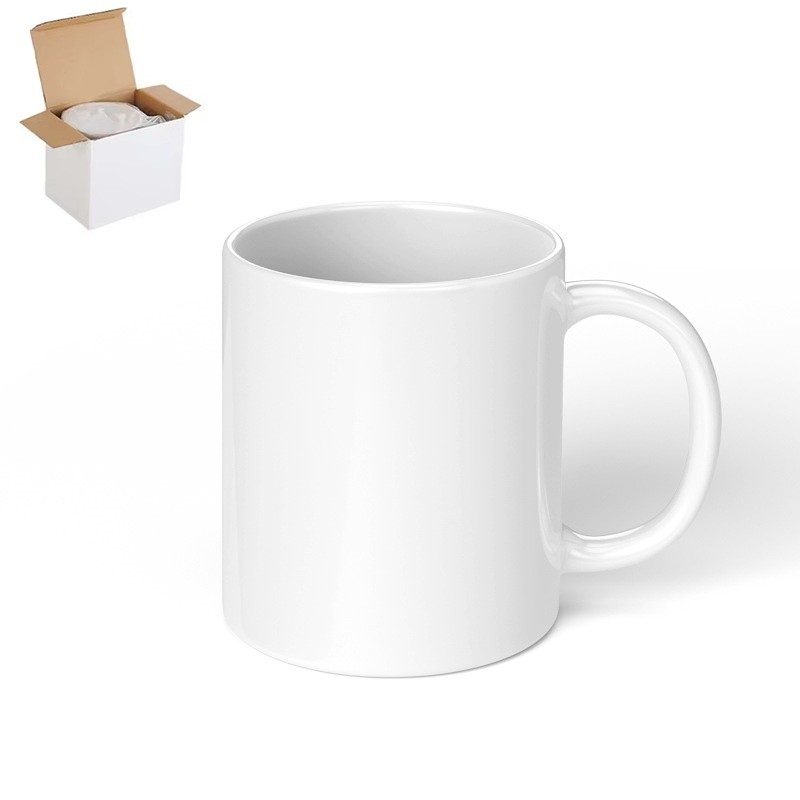
11oz Sublimation Blank Ceramic Mug
Classic 11oz white ceramic mug with premium sublimation coating, ideal for full-color custom designs and logo printing. Minimum order quantity: 5,000 pieces per design.
View Product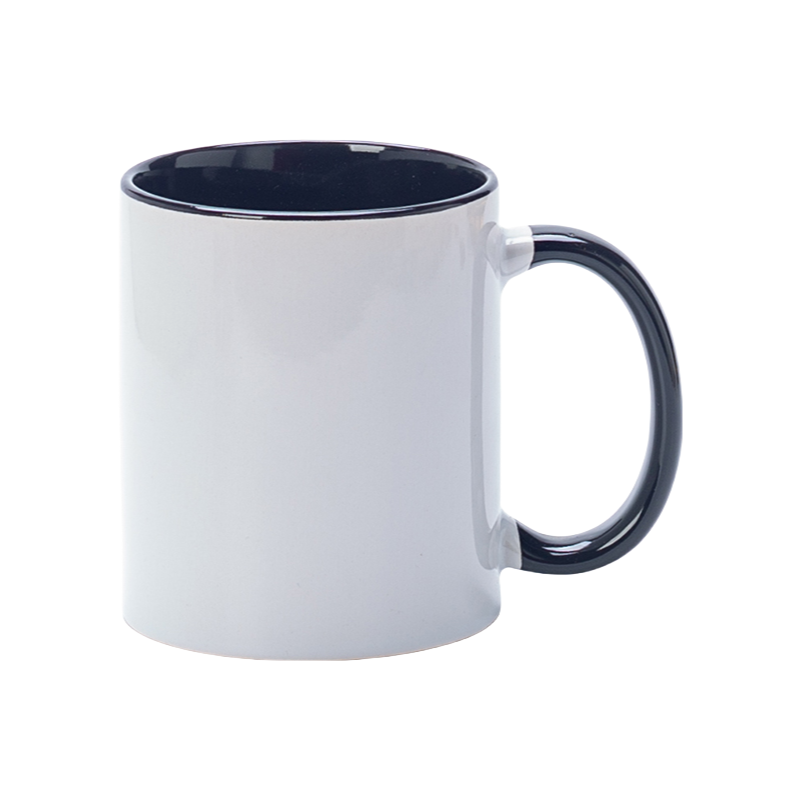
11oz Sublimation Magic Mug OEM Factory
Heat-reactive magic mug that reveals hidden design when filled with hot beverage, full-color sublimation printing. Minimum order quantity: 5,000 pieces per design.
View ProductElevate Your Latte Art with the Right Mug
Contact Storiware to discuss your custom mug requirements for coffee shop service. Our team can help you select or design the perfect mug shape for your latte art and beverage program.
Get a Free QuoteThis article is for informational purposes only. Product specifications, production timelines, and pricing are subject to change based on order volume, design complexity, and current factory capacity. Please contact Storiware for a current quotation and production schedule.