Sublimation Explained: The Effective Way to Personalize Mugs.
Have you ever wanted to create a truly unique gift or promotional item? A personalized mug is a fantastic way to do just that, offering a blend of practicality and personal touch. Today, I'm excited to explain sublimation, an incredibly effective way to personalize mugs, especially when you want vibrant, high-quality designs that last. Let's dive into how sublimation works and why it's such a popular choice for bringing your custom mug ideas to life!
Key Takeaways
- What is Sublimation?: Sublimation is a printing process where heat and pressure are used to turn special solid dyes into a gas. This gas then permeates the surface of a polymer-coated mug, creating a permanent, vibrant, and full-color image that won't crack, peel, or fade.
- Superior Quality: This method is unparalleled for creating photo-quality designs with seamless gradients and a vast spectrum of colors. The ink becomes part of the mug itself, resulting in a smooth finish and exceptional durability.
- Comparison to Other Methods: While sublimation excels in quality and durability for complex designs, other methods have their place. Screen printing is cost-effective for bulk orders with simple logos, laser engraving offers a premium and permanent single-color finish, and UV printing provides a textured design on a wider variety of materials, including dark-colored mugs.
- Design is Crucial: For best results, use high-resolution images (at least 300 DPI). Ensure your design has good contrast, is scaled appropriately for the mug's surface, and is saved in a suitable file format like PNG or JPEG.
- Proper Care Extends Life: Most modern sublimated mugs are dishwasher and microwave safe. However, to ensure the longest possible life for the vibrant design, hand-washing with a non-abrasive sponge is often recommended. Avoid extreme temperature changes.
Understanding Sublimation: The Effective Mug Personalization Method
Sublimation printing has revolutionized the world of custom products, and for good reason. It’s a scientifically fascinating process that yields stunningly professional and durable results, making it the go-to choice for high-quality personalized mugs. Unlike methods that print a layer on top of the surface, sublimation embeds the design directly into the mug, ensuring it lasts as long as the mug itself.
How Sublimation Printing Works Its Magic
The "magic" of sublimation is rooted in a simple chemical process. The term "sublimation" refers to a transition where a substance goes directly from a solid to a gas state, bypassing the liquid phase entirely. In printing, this allows for a unique and powerful way to transfer images.
The process involves a few key components: special sublimation dyes, transfer paper, a mug with a specific polymer coating, and a heat press. Here is a step-by-step breakdown:
- Design Creation: First, a digital design is created or formatted on a computer. This can be anything from a complex photograph to a company logo or custom text.
- Printing the Transfer: The design is then printed onto a sheet of specialized sublimation transfer paper using a printer filled with sublimation inks. At this stage, the inks are in a solid state on the paper, and the printed colors may look dull or desaturated—this is normal.
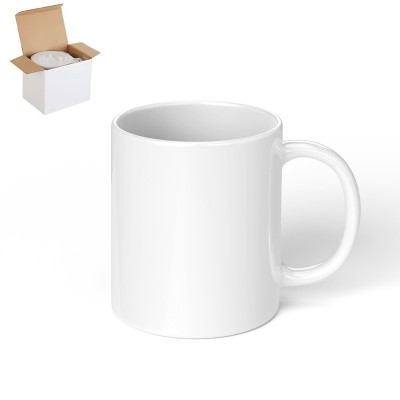
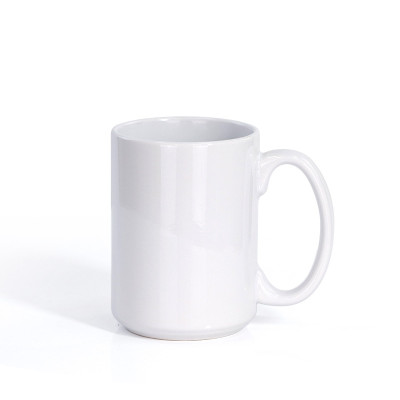
- Preparing the Mug: The printed transfer paper is cut to size and securely taped onto a blank sublimation-ready mug. These mugs have a special polymer coating that is receptive to the sublimation dyes.
- The Heat Press: The mug is placed into a mug heat press, which applies consistent heat (typically around 350-400°F or 175-200°C) and firm pressure.
- The Transformation: The heat and pressure cause the solid dyes on the paper to convert into a gas. This gas then permeates the pores of the mug's polymer coating.
- Infusion and Cooling: As the mug cools, the ink solidifies and becomes permanently trapped within the coating. The design is now a permanent, full-color part of the mug's surface.
This infusion process is what gives sublimated mugs their signature smooth finish; you can't feel the design at all because it's not sitting on top of the surface.
Why Sublimation is Ideal for Photo-Quality Personalized Mugs
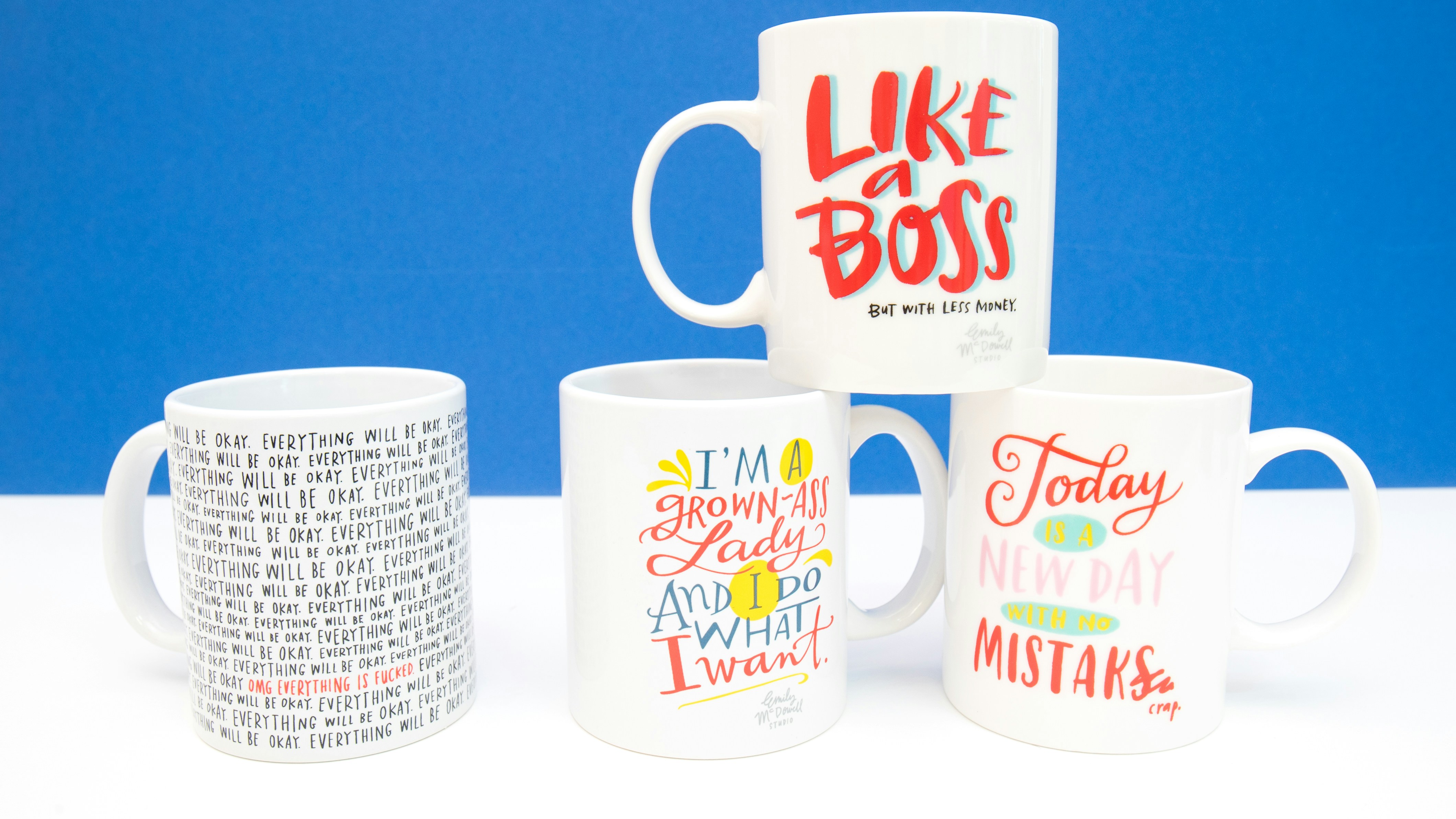
When it comes to reproducing photographs or designs with intricate details and color gradients, sublimation is in a class of its own. Its unique characteristics make it the perfect method for achieving premium, photo-realistic results on ceramic mugs.
One of the main advantages is its ability to produce continuous tones. Unlike other methods that use dots (halftones) to simulate colors and gradients, sublimation printing blends colors seamlessly. When the dyes turn into a gas, they mix and infuse into the surface, creating true gradients and a much wider color gamut. This results in images that are incredibly vibrant, sharp, and true to the original digital file.
Furthermore, the durability of a sublimated image is unmatched. Since the ink is infused into the mug's coating rather than printed on top of it, the design is highly resistant to scratching, peeling, or fading. It can withstand repeated trips through the dishwasher and daily use without losing its vibrancy. This permanence makes sublimation perfect for both cherished personal gifts and long-lasting promotional items that need to maintain a professional appearance.
Sustainable Aspects of Sublimation Printing
In an increasingly eco-conscious world, the environmental impact of production methods is an important consideration. Sublimation printing presents a mixed but generally favorable profile when it comes to sustainability.
A significant environmental benefit is that the process is largely water-free. The transfer of dye is achieved through a dry heat process, which eliminates the water consumption and wastewater pollution often associated with traditional fabric dyeing and other printing techniques. Additionally, the inks used are often water-based, containing suspended dye solids, which are generally safer than solvent-based alternatives.
However, the primary waste product in sublimation is the used transfer paper, which is typically not recyclable after the heat process. Advances are being made in developing more sustainable papers and inks, but currently, solid waste is a factor to consider. Despite this, the longevity and durability of sublimated products argue for their sustainability; a high-quality mug that lasts for years is less likely to be discarded and replaced than a low-quality one with a design that quickly fades or peels. This reduces overall consumption and waste.
Beyond Sublimation: Exploring Other Custom Mug Options
While sublimation is a fantastic all-around choice, it's not the only way to personalize a mug. Depending on your specific needs—such as the design's complexity, the order quantity, the mug's material, and your budget—other methods might be more suitable. Understanding these alternatives will help you make the most informed decision for your project.
Screen Printing for Bulk Logo Mugs
Screen printing, also known as silk-screening, is a traditional and highly effective method, especially for large-volume orders with simpler designs. The process involves creating a stencil (a "screen") of the design and pushing ink through the mesh onto the mug's surface. A separate screen is needed for each color in the design.
Best For:
- Large bulk orders (e.g., promotional giveaways, corporate events).
- Designs with 1-4 solid spot colors, like logos and text.
- Cost-effective production at scale.
The main advantages of screen printing are its speed and low cost per unit on large runs. The inks used are thick and durable, resulting in a vibrant and tactile design that sits slightly raised on the mug's surface. However, it is less practical for full-color photographs or designs with complex gradients, as the setup for each color can be time-consuming and expensive.
Laser Engraving for Premium Touches
For a truly permanent and elegant finish, laser engraving is an excellent option. This process uses a high-powered laser to precisely etch a design into the mug's surface. On a coated ceramic or metal mug, the laser removes the outer layer, revealing the color of the material underneath.
Best For:
- Premium corporate gifts and high-end branding.
- Achieving a sophisticated, single-color, and permanent design.
- Designs on stainless steel, powder-coated, or certain colored ceramic mugs.
Laser engraving creates a subtle, tactile effect that exudes quality. The design is literally carved into the mug, so it will never fade, peel, or wash away. While it doesn't offer color, the resulting tone-on-tone effect is sharp, clean, and professional. It's an ideal choice for adding a touch of class to travel mugs or premium ceramic pieces.
UV Printing for Vibrant Designs on Dark Mugs
UV printing, sometimes referred to as UV-LED printing, is a more recent digital printing technology that offers incredible versatility. This method uses ultraviolet (UV) light to instantly cure specially formulated inks directly on the mug's surface. Because the ink is cured immediately, it doesn't have time to absorb, allowing it to sit on top of the substrate.
Best For:
- Printing vibrant, full-color designs on a wide range of materials and colors, including dark or black mugs.
- Designs that require a slightly textured or embossed feel.
- Printing on materials that aren't sublimation-ready, such as glass, certain plastics, or uncoated metals.
A key advantage of UV printing is its ability to print a base layer of white ink, which allows full-color designs to appear bright and opaque even on dark-colored items—something sublimation cannot do. The resulting print is durable and has a slightly raised feel, offering a different textural experience than the perfectly smooth finish of sublimation.
Matching Printing Methods to Your Personalized Mug Needs
Choosing the right method depends entirely on your goals. To help you decide, here is a comparative overview:
| Feature | Sublimation | Screen Printing | Laser Engraving | UV Printing |
|---|---|---|---|---|
| Best For | Photo-quality, full-color designs | Bulk orders with simple logos (1-4 colors) | Premium, permanent single-color designs | Full-color on dark or unusual materials |
| Color Capability | Unlimited colors, gradients | Limited solid colors | No color (reveals material underneath) | Unlimited colors, gradients, opaque white |
| Durability | Excellent; permanent, won't peel or fade | Good; durable ink but can scratch over time | Unbeatable; permanently etched | Very Good; scratch and fade resistant |
| Feel | Perfectly smooth, no texture | Slightly raised, tactile | Etched, textured | Slightly raised, can be glossy or matte |
| Mug Material | Requires special polymer-coated surfaces | Ceramic, glass | Metal, ceramic, glass, wood | Almost any material |
| Cost | Moderate for single items, lower in bulk | Very low for bulk, high setup cost for small runs | Moderate to high | Moderate to high |
Crafting Your Perfect Personalized Mug Design
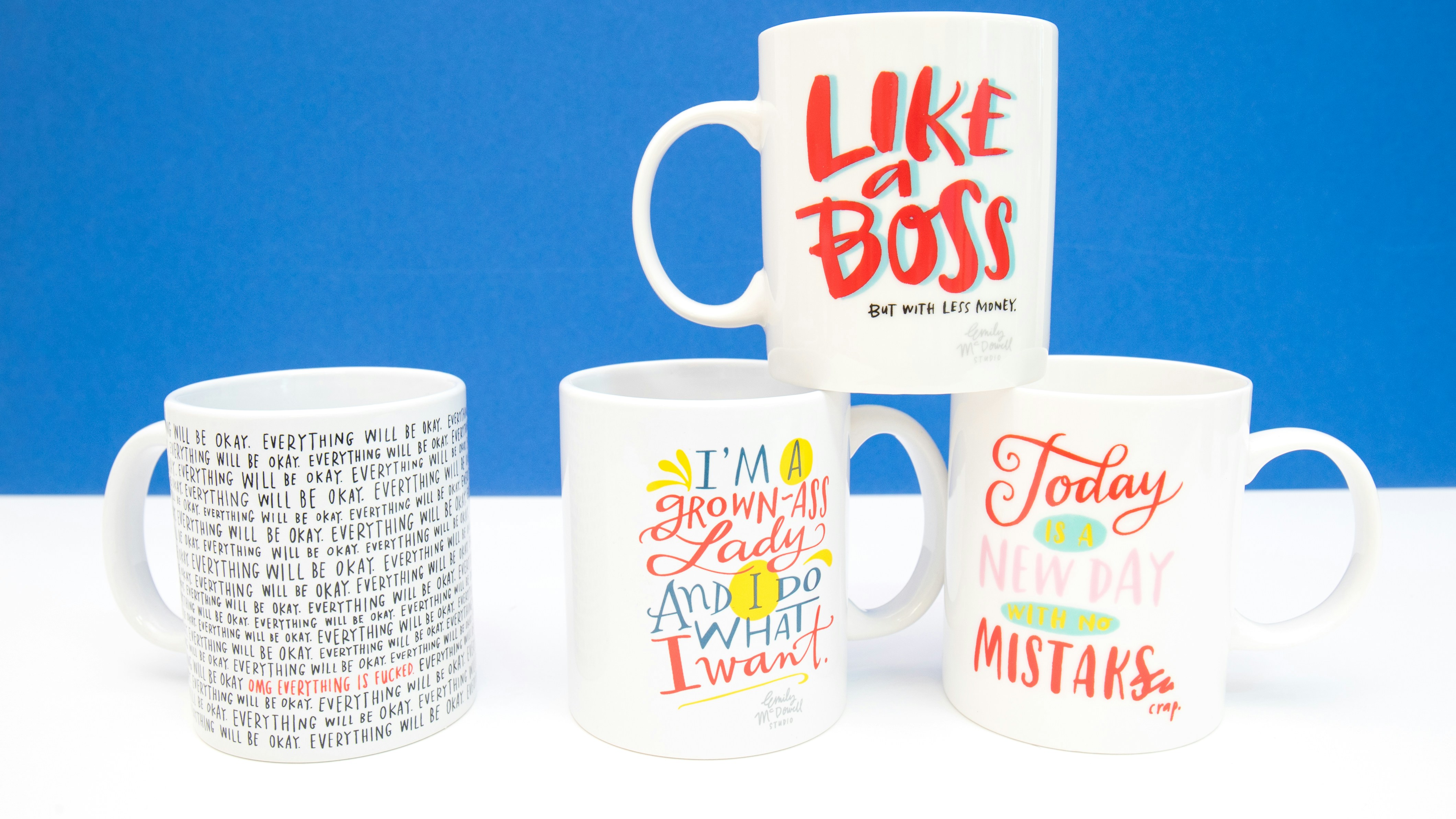
The success of a personalized mug lies not only in the printing method but also in the quality of the design itself. A well-thought-out design will look professional and impactful, while a poorly prepared one can lead to disappointing results. Whether you're using a company logo, a personal photograph, or custom artwork, following some best practices is key.
Best Practices for Logo Designs on Mugs
A mug is a three-dimensional canvas, and getting a logo to look just right requires some consideration. It’s a powerful branding tool that will be seen daily, so it’s worth getting it right.
- Simplicity Wins: Logos with clean lines and clear text tend to work best. Intricate details can get lost or appear cluttered on a curved surface.
- Vector is Best: Whenever possible, use a vector file format (like AI, EPS, or SVG) for your logo. Vector graphics can be scaled to any size without losing quality, ensuring a crisp, sharp print.
- Consider Contrast: Ensure your logo's colors stand out against the color of the mug. A dark logo on a dark mug will be hard to see. If your logo has multiple color versions, choose the one with the highest contrast.
- Placement Matters: Think about who will see the logo and how. Common placements include:
- Drinker-Facing: The logo faces the person drinking from the mug.
- Outward-Facing: The logo faces away from the drinker, visible to others. This is the most popular choice for promotional mugs.
- Center: The logo is placed directly opposite the handle.
- Full Wrap: The design extends all the way around the mug.
Essential Tips for Photo Designs on Mugs
Putting a cherished photo on a mug is a popular way to create a heartfelt gift. To ensure your photo looks as good on the mug as it does on your screen, follow these tips.
- Start with High Resolution: This is the most critical factor. A low-resolution photo will look pixelated and blurry when printed. Aim for an image that is at least 300 DPI (dots per inch) at the final print size. As a general rule, a photo taken on a modern smartphone in good lighting is often sufficient, but always use the original, full-size file.
- Brightness and Contrast are Key: Photos often print slightly darker than they appear on a backlit screen. Choose images that are bright, clear, and have good contrast. You may want to slightly increase the brightness of your photo in an editing app before submitting it.
- Mind the Wrap: Remember that the image will be wrapped around a curved surface. Avoid placing important elements like faces too close to the edges of the image, as they may get cut off or distorted near the handle. A panoramic shot or a photo with the main subject centered often works well.
- Cropping and Composition: Use the printer's template to see how the photo will be cropped. Position the most important part of the photo in the "safe area" to ensure it's not cut off.
Technical Considerations: Resolution, File Types, and Layout for Custom Mugs
Getting the technical details right is the final step to ensuring a perfect print. While many printing companies help with this, understanding the basics can prevent common issues.
- Resolution: As mentioned, 300 DPI is the industry standard for high-quality printing. To check this, you can look at the image's properties on your computer. An image that is 2400 pixels wide, for example, can be printed up to 8 inches wide at 300 DPI (2400 pixels / 300 DPI = 8 inches).
- File Types:
- JPEG (or JPG): A common file type for photos. Best saved at the highest quality setting to minimize compression.
- PNG: Excellent for graphics with transparent backgrounds, such as a standalone logo.
- PDF: A great format for preserving layouts that contain both text and images.
- AI, EPS, SVG: Vector formats that are ideal for logos and illustrations.
- Color Mode (RGB vs. CMYK): Your screen displays colors in RGB (Red, Green, Blue), while most printers use CMYK (Cyan, Magenta, Yellow, Black). Sublimation printers are unique as they often use specialized RGB drivers to achieve a wider range of vibrant colors. Don't worry too much about converting the colors yourself; just be aware that some slight color shifting between screen and final product can occur.
- Use Templates: Most custom mug providers offer design templates. Using these is highly recommended as they show the exact dimensions, bleed areas (where the design should extend beyond the trim line), and safe zones, ensuring your design is perfectly positioned.
Choosing and Caring for Your Personalized Mug
Once your design is ready, the final steps involve selecting the right mug for your needs and understanding how to care for it to ensure the design remains vibrant for years to come. From a classic office coffee cup to a rugged travel tumbler, the style of the mug can be just as important as the design on it.
Selecting the Right Mug Style for Your Purpose
Not all mugs are created equal. The style you choose should align with its intended use and the recipient's lifestyle. Here are a few popular options:
- Classic Ceramic Mug: The most common choice, typically holding 11 to 15 ounces. It’s perfect for the home or office, great for hot beverages like coffee and tea, and usually the most cost-effective option for sublimation.
- Travel Mug: Often made from stainless steel (which requires a special polymer coating for sublimation) or ceramic with a travel lid. These are insulated to keep drinks hot or cold, making them ideal for commuters and anyone on the go.
- Enamel Campfire Mug: These have a rustic, retro charm and are lightweight and durable, making them perfect for camping, picnics, or outdoor enthusiasts. Their metal construction means they cannot be used in a microwave.
- Latte Mug: Taller and more tapered than a classic mug, this style has an elegant shape that’s perfect for lattes, cappuccinos, or hot chocolate, offering a more café-like experience.
Consider the purpose: Is it a promotional item for a trade show where a standard ceramic mug is best? Or is it a gift for an avid hiker who would appreciate a durable travel or enamel mug?

Quantity Matters: Individual vs. Bulk Orders for Custom Mugs
Your ordering needs will significantly impact the cost and logistics of your project.
- Individual Orders: Thanks to digital printing methods like sublimation, ordering a single, unique mug is easy and affordable. This is perfect for personal gifts like birthdays, holidays, or anniversaries, allowing for complete personalization without a large financial commitment.
- Bulk Orders: When you need mugs for a larger group—such as for corporate branding, employee onboarding kits, wedding favors, or retail—ordering in bulk is the way to go. Most companies offer tiered pricing, where the cost per mug decreases significantly as the quantity increases. For designs with simple colors, screen printing can become very economical at high volumes, while sublimation remains a great choice for bulk orders of full-color designs.
When ordering in bulk, always request a sample or a digital proof before proceeding with the full production run to ensure the final product meets your expectations.
Ensuring Longevity: Care Instructions for Your Sublimated Mug
A key benefit of sublimation is its durability, but proper care will maximize the life of your personalized mug and keep the design looking brand new.
- Dishwasher Safety: Most modern, high-quality sublimated mugs are rated as dishwasher safe. For best results, it's recommended to place them on the top rack, away from the high-powered water jets at the bottom. The high heat and harsh detergents in some dishwashers can, over many cycles, eventually cause a slight fading of the image.
- Hand-Washing: The best way to guarantee the longest possible life for your mug's design is to hand-wash it with a mild soap and a soft, non-abrasive sponge. Avoid using steel wool or other abrasive scrubbers, as these can scratch the mug's coating and the sublimated design within it.
- Microwave Safety: Ceramic sublimated mugs are generally microwave-safe. However, mugs made of metal (like stainless steel travel mugs or enamel camp mugs) should never be placed in a microwave.
- Avoid Extreme Temperatures: While durable, it's best to avoid subjecting your mug to extreme and sudden temperature changes (e.g., pouring boiling water into a frozen mug), as this can cause thermal shock and potentially damage the ceramic.
By following these simple care instructions, your sublimated mug will remain a vibrant and cherished item for many years.
Frequently Asked Questions (FAQs)
Q1: What is the main difference between sublimation and other printing methods like screen printing? The biggest difference lies in how the ink is applied. Sublimation uses heat to turn dye into a gas, which infuses into the mug's special coating, becoming a permanent part of the surface. This results in a smooth, photo-quality image that won't peel or crack. Screen printing, on the other hand, applies a layer of thick ink on top of the surface, which is best for simple logos with solid colors and has a slightly raised feel.
Q2: Will the design on my sublimated mug fade or peel off? No, a properly sublimated design will not peel, crack, or flake off. Because the ink is permanently infused into the mug's surface, it is exceptionally durable. While extreme exposure to direct sunlight over many years or hundreds of cycles in a harsh dishwasher might cause some minor fading, for all practical purposes, the design is permanent and will last as long as the mug itself.
Q3: What kind of image do I need for a high-quality photo mug? For the best results, you should use a high-resolution image. The industry standard is 300 DPI (dots per inch) at the intended print size. A blurry or pixelated image on your screen will look even worse when printed. Use original, full-size photo files from a digital camera or modern smartphone and avoid using compressed images downloaded from social media.
Q4: Are sublimated mugs safe to use for drinking? Yes, they are completely safe. The sublimation process uses inks that are converted into a gas and trapped inside a special polymer coating on the mug. The design is not on the surface itself and does not come into contact with your beverage. Reputable manufacturers use mugs and coatings that are lead-free and comply with FDA standards for food safety.
Q5: Can I use sublimation to print on any mug I buy from a store? No, you cannot. Sublimation requires a special type of mug that has been treated with a polymer coating. This coating is necessary to accept the sublimated dyes. Attempting to sublimate a standard, uncoated ceramic mug from a regular store will not work; the image will not transfer or will wipe right off. You must use "sublimation blanks" specifically designed for the process.
As we've explored, sublimation printing stands out as an incredibly effective way to personalize mugs, especially when you desire vibrant, full-color, and photo-quality designs that can withstand daily use. By understanding the process, choosing the right design, and following best practices for care, you can create stunning personalized mugs, whether for cherished gifts, impactful promotional items, or simply to express your unique style. So why wait? Start your journey to create your perfectly personalized sublimation mug today