Summer Slow Season: Why July Is the Best Time to Order Custom Mugs
Table of Contents
- Why July Is Different from the Rest of the Year
- Factory Capacity Dynamics During the Summer Slow Season
- Pricing Advantages of Ordering in July
- Sample Turnaround and Design Approval in Low Season
- Quality Control Benefits When Production Lines Are Not Rushed
- Shipping and Logistics Considerations for Summer Orders
- Strategic Inventory Planning Using July Production Slots
- How Distributors Can Leverage the Summer Lull
- Real Cost Comparison: July Orders Versus Peak Season Orders
- Building a Year-Round Procurement Strategy Around Seasonal Cycles
Why July Is Different from the Rest of the Year
The ceramic mug manufacturing industry operates on a distinct seasonal rhythm that most buyers outside the industry never fully appreciate. Each year follows a predictable pattern of peaks and valleys, with July representing the deepest trough in production activity across Chinese ceramic factories. Understanding why this happens and how to exploit it commercially can transform the way procurement professionals approach their ordering cycles. The summer slowdown is not a random occurrence but a structural feature of the industry that has persisted for decades, rooted in factory labor patterns, energy pricing, and downstream demand cycles.
During July, the majority of ceramic mug factories in major production hubs like Chaozhou, Liling, and Dehua operate at significantly reduced capacity. This is not because factories choose to slow down arbitrarily but because the entire downstream ecosystem experiences a collective pause. Corporate promotional campaigns, holiday gift programs, and seasonal product launches all follow annual calendars that leave July as a natural gap between spring promotions and autumn holiday preparations. The Q2 rush for summer events and corporate annual meetings has concluded, while the Q4 holiday season production has not yet begun. This gap creates a window of approximately four to six weeks where factory resources are available but underutilized.
For buyers who recognize this pattern and plan accordingly, July offers a set of advantages that are simply unavailable during the rest of the year. Faster production timelines, more attentive quality control, greater flexibility in design adjustments, and more favorable pricing terms all become accessible when factories are operating below capacity. The key is to understand which specific benefits are available and how to structure orders to maximize them. This comprehensive guide examines each advantage in detail, providing procurement professionals with the information they need to make July their most productive ordering month of the year.
Factory Capacity Dynamics During the Summer Slow Season
To understand the value of July ordering, it is essential to first understand how factory capacity utilization fluctuates throughout the year. A typical ceramic mug factory with an annual production capacity of 10 million pieces will operate at approximately 85 to 95 percent utilization during peak months such as September, October, and November. During these months, production lines run 24 hours a day, six or seven days a week, with workers rotating in shifts to maintain continuous output. The factory floor is fully occupied, kilns operate at maximum throughput, and every available resource is directed toward meeting order deadlines.
In contrast, July utilization rates typically fall to between 50 and 65 percent of maximum capacity. This means that a factory capable of producing 800,000 pieces per month may be running at only 400,000 to 520,000 pieces during July. The difference of 280,000 to 400,000 pieces of unused capacity represents a significant resource gap that factories are motivated to fill. From the factory perspective, fixed costs such as equipment depreciation, facility leases, and administrative overhead remain constant regardless of production volume. When utilization drops, these fixed costs must be spread across fewer units, increasing the per-unit cost of production. Factories therefore have a strong economic incentive to attract orders during slow periods, even if it means accepting lower margins.
The labor dynamics of July also play a significant role in factory capacity. Many factory workers in China take annual leave during July and August, coinciding with the summer holiday period when schools are closed and families travel. This creates a natural reduction in available labor, but it also means that the workers who remain on the production floor are typically the most experienced and senior team members. Junior workers and temporary staff are more likely to take leave during this period, while experienced kiln operators, glaze technicians, and quality inspectors remain on duty. The result is a smaller but more skilled workforce that produces higher quality output per unit of labor.
Energy costs also factor into the July capacity equation. Ceramic production is energy-intensive, with kiln firing alone accounting for a substantial portion of total production costs. During the summer months, some factories in southern China experience reduced electricity costs due to lower industrial demand, as many factories across various industries slow down simultaneously. This can translate into modest savings in firing costs, which factories may pass on to buyers in the form of more competitive pricing. The combination of reduced labor costs, lower energy expenses, and the imperative to fill unused capacity creates a favorable environment for buyers who place orders during July.
Pricing Advantages of Ordering in July
The most immediately tangible benefit of July ordering is the potential for cost savings. When factories operate below capacity, the marginal cost of accepting an additional order decreases significantly. The fixed costs of the factory operation are already being incurred regardless of whether the order is accepted, so the factory needs only to cover the variable costs of materials, direct labor, and energy to make a marginal order profitable. This economic reality gives factories room to negotiate on price in ways that are simply not possible during peak months.
In practical terms, buyers who place orders during July can typically expect price reductions of 5 to 12 percent compared to the same order placed during the September to November peak season. The exact savings depend on order volume, design complexity, and the specific factory capacity situation at the time of ordering. Larger orders naturally command better pricing, but even standard orders of 5,000 to 10,000 pieces can benefit from the seasonal pricing differential. The discount is not always reflected in the base unit price; it may take the form of reduced setup fees, waived sample charges, or free color matching services.
Beyond the direct unit price savings, July orders also offer cost advantages in related areas. Sample production, which can cost anywhere from several dozen to several hundred dollars during peak season depending on complexity, is often provided at reduced rates or even complimentary during slow periods. Factories are more willing to produce multiple sample iterations to get the design exactly right because the sample department has available capacity. This means buyers can achieve a higher quality final product without paying a premium for multiple sample rounds.
Tooling and setup costs, which include screen creation for silk screen printing or fixture preparation for sublimation, are also more negotiable during July. During peak months, factories may charge full setup fees because they are turning away orders and can afford to be selective. In July, the same factory may reduce or waive these fees to secure the order. For buyers who place multiple orders throughout the year, the cumulative savings from July ordering can be substantial, effectively reducing the average annual cost per piece across all orders.
Sample Turnaround and Design Approval in Low Season
One of the most overlooked advantages of July ordering is the acceleration of the sample development and approval process. During peak season, sample production is typically scheduled in between production runs, with samples taking 7 to 14 days to complete depending on factory workload. The sample department is often the bottleneck in the production process, as skilled sample makers are a limited resource who must divide their time between new sample requests and production line support. During July, the sample department operates with significantly less backlog, enabling faster turnaround times.
In practice, this means that samples requested in July can often be completed within 3 to 5 working days, compared to the 10 to 14 day turnaround typical during peak months. The faster sample cycle has a cascading effect on the entire order timeline. When samples are approved quickly, the production order can be placed sooner, materials can be ordered earlier, and the production slot can be secured before the factory fills its capacity. For buyers who are working toward a specific delivery deadline, the time saved in the sample phase can be the difference between meeting and missing the target.
The quality of sample production also benefits from the lower workload. Sample makers have more time to fine-tune each sample, adjusting color densities, alignment precision, and surface finish to achieve the best possible result. During peak season, sample makers work under pressure to produce samples quickly and move on to the next request. The difference in attention to detail is often visible in the final sample quality, with July samples showing more precise color matching, cleaner edges, and more consistent surface finishes. These quality improvements in the sample phase translate directly to better production outcomes, as the approved sample serves as the quality benchmark for the entire production run.
Communication during the sample phase also improves during July. Sales coordinators, production planners, and quality managers have more time to respond to buyer inquiries, provide detailed updates on sample progress, and discuss design modifications. The reduced workload means that emails and messages are answered more promptly, and phone calls or video meetings can be scheduled with less lead time. For buyers who value clear communication and collaborative design development, the July environment offers a significantly better experience than the rushed interactions typical of peak season.
Quality Control Benefits When Production Lines Are Not Rushed
Quality control is perhaps the area where July ordering provides the most significant but least visible advantage. In any manufacturing operation, the relationship between production speed and quality is fundamentally inverse. When production lines are running at maximum capacity, quality control procedures must be executed more quickly, and the tolerance for minor defects may be adjusted to maintain output targets. During July, the slower production pace allows quality control teams to operate with greater rigor and attention to detail.
Ceramic mug production involves multiple quality checkpoints, from raw material inspection through greenware inspection, bisque inspection, glaze inspection, and final finished goods inspection. Each checkpoint requires trained inspectors to examine pieces for defects such as pinholes, cracks, warping, glaze defects, and printing registration errors. During peak production, inspectors may need to examine several thousand pieces per hour, which inevitably leads to some defects passing through undetected. In July, inspectors can work at a more deliberate pace, reducing the defect escape rate significantly.
The firing process itself also benefits from the reduced production load. Kilns that are not operating at maximum capacity maintain more stable temperature profiles, as the thermal load within the kiln is more consistent. Temperature fluctuations during firing are a common cause of ceramic defects such as dunting, crazing, and color variation. When kilns are operated below their maximum throughput, the temperature profile across the kiln chamber remains more uniform, resulting in fewer firing-related defects. The difference in defect rates between a kiln running at 90 percent capacity and one running at 60 percent capacity can be as much as 2 to 3 percentage points, which represents a significant improvement in overall yield.
Color consistency across production runs is another quality dimension that benefits from July production. The same ceramic glaze or printing ink can produce slightly different results depending on firing conditions, humidity levels, and application thickness. When production is spread across multiple shifts or multiple days, maintaining consistent color becomes more challenging. July production runs are typically more compact, with fewer interruptions between production batches, leading to better color consistency across the entire order. For buyers who require precise color matching, particularly those using Pantone reference colors, the July production environment offers the best conditions for achieving consistent results.
Shipping and Logistics Considerations for Summer Orders
Shipping logistics represent another dimension where July ordering offers advantages that are often underestimated by buyers focused primarily on production costs. The global shipping industry follows its own seasonal patterns, with freight rates and transit times varying significantly throughout the year. July sits in a relatively calm period for ocean freight, positioned between the post-Lunar New Year ramp-up and the peak season surcharge period that typically begins in August. Understanding these logistics patterns is essential for calculating the true cost and timeline of July orders.
Ocean freight rates from Chinese ports to major destinations such as the United States West Coast, Northern Europe, and the Mediterranean typically reach their lowest annual levels in July. The peak shipping season for consumer goods, driven by holiday inventory buildup, begins in August and runs through October, during which freight rates can increase by 20 to 40 percent above baseline levels. By ordering in July, buyers can secure lower freight rates and also avoid the congestion surcharges that carriers impose during peak periods. For a container of ceramic mugs, the freight savings alone can offset a significant portion of the production cost.
Transit times also tend to be more reliable during July. Port congestion, which has become an increasingly common challenge in global shipping, is typically less severe during the summer months before the peak season. Vessels are less likely to experience delays waiting for berth space, and container availability is generally better. The combination of faster production timelines and more reliable shipping means that July orders can often achieve door-to-door delivery in 45 to 55 days, compared to 65 to 80 days for orders placed during the peak season. This shorter and more predictable timeline gives buyers greater confidence in their inventory planning.
For buyers shipping to destinations in the Southern Hemisphere, the July logistics picture is even more favorable. Countries such as Australia, New Zealand, South Africa, and Brazil are in their winter months during July, which means they are outside the peak import season for most consumer goods. Shipping lines typically have more available capacity on these routes during the Southern Hemisphere winter, and freight rates reflect this lower demand. Buyers serving markets in the Southern Hemisphere can achieve even greater shipping cost savings by timing their orders for July production and August shipment.
Strategic Inventory Planning Using July Production Slots
Beyond the immediate benefits of cost savings and faster production, July ordering also enables more sophisticated inventory management strategies. For distributors and wholesalers who maintain stock of standard mug designs, July offers an opportunity to replenish inventory at lower cost while ensuring that stock levels are adequate for the upcoming peak demand period. The key is to align July production with the expected demand patterns of the fourth quarter, when end-customer orders accelerate significantly.
Inventory carrying cost is a critical factor in the wholesale ceramic mug business. Every piece of inventory that sits in a warehouse represents capital that is tied up and not generating returns. By ordering in July for delivery in August and September, buyers can minimize the time between receiving inventory and selling it to end customers. The production-to-sale cycle is compressed, reducing the inventory carrying cost per piece and improving overall return on investment. This is particularly important for seasonal products that have a limited sales window, where early arrival of inventory can extend the selling season.
Blank mug inventory, which refers to undecorated ceramic mugs that are later customized by third-party decorators, is an especially good candidate for July ordering. Blank mugs do not have seasonal design elements that would make them time-sensitive, so they can be ordered at any point in the year without concern for style obsolescence. By building blank mug inventory during July, buyers can take advantage of the lower production costs and then customize the mugs later as orders come in. This approach combines the cost benefits of July production with the flexibility of just-in-time customization.
For buyers who operate multiple product lines or serve multiple customer segments, July can be used strategically to balance inventory across categories. Standard products that sell consistently throughout the year can be ordered in larger quantities during July to capture the cost savings, while seasonal products can be ordered in smaller quantities closer to the actual demand period. This tiered approach to inventory planning allows buyers to optimize their overall cost structure while maintaining the flexibility to respond to market changes. The key is to identify which products have stable demand patterns and can safely be ordered in advance, and which products require more responsive ordering cycles.
How Distributors Can Leverage the Summer Lull
Promotional product distributors occupy a unique position in the ceramic mug supply chain, acting as intermediaries between brands and factories. For distributors, the July slow season represents an opportunity to strengthen their competitive position by offering better terms to their clients. When a distributor can place a July order at a lower cost, the savings can be shared with the end client to win the business, retained as additional margin, or used to offer value-added services such as custom packaging or faster delivery.
Distributors who plan their annual procurement calendar around the July opportunity can build a significant competitive advantage. While competitors are placing orders during the peak season and paying premium prices, the savvy distributor has already secured production slots at lower cost and with faster delivery. This advantage becomes particularly pronounced during the Q4 rush, when the distributor who ordered in July can offer shorter lead times and more competitive pricing to clients who are scrambling to place last-minute orders. The ability to say yes when competitors say no is a powerful differentiator in the promotional products industry.
Client communication is an essential component of this strategy. Distributors who educate their clients about the benefits of July ordering can shift a portion of their annual order volume into this favorable period. This requires a proactive approach to sales planning, where the distributor reaches out to clients in May and June to discuss their upcoming promotional needs and recommends early ordering to capture the July advantages. Clients who understand the cost and timeline benefits are often willing to adjust their planning cycles to take advantage of the savings, particularly when the distributor presents the information clearly and professionally.
The July period also offers distributors an opportunity to develop new product samples and catalog designs for the upcoming season. With factory sample departments operating at reduced capacity, distributors can request multiple sample variations of new mug designs, test different printing techniques, and finalize their product offerings for the fall and winter sales season. This product development work is difficult to accomplish during the peak season when factories are focused on production. By using July for product development, distributors can enter the peak selling season with a fully developed product line and ready-to-order samples.
Real Cost Comparison: July Orders Versus Peak Season Orders
To illustrate the concrete financial impact of July ordering, it is useful to examine a realistic cost comparison between an order placed in July and the same order placed during the peak season. Consider a typical order of 10,000 pieces of 11oz sublimation blank ceramic mugs, with full-color printing on one side and a custom logo on the opposite side. The order includes PMS color matching, sample approval, production, and shipping to a US West Coast port. This scenario is representative of the type of order that promotional product distributors place regularly.
For the July order, the unit price for the mug and sublimation printing is approximately 8 percent lower than the peak season price, reflecting the reduced factory utilization rate. The sample fee is waived entirely, saving approximately 80 dollars. Setup fees for the sublimation printing fixtures are reduced by 50 percent. Shipping costs are 15 percent lower due to off-peak ocean freight rates. The total cost savings for a 10,000-piece order amount to approximately 6 to 10 percent of the total order value, depending on the specific pricing structure of the factory. For a 10,000-piece order valued at 15,000 to 20,000 dollars, the savings represent a meaningful amount that can be redirected to other business priorities.
The timeline comparison is equally compelling. The July order achieves sample approval within 5 working days, production completion within 25 working days, and ocean freight transit of 18 days, for a total door-to-door timeline of approximately 50 days from order placement. The peak season order, placed in September, requires 10 working days for sample approval, 35 working days for production, and 22 days for ocean freight, totaling approximately 68 days. The 18-day difference in total timeline is significant, particularly for buyers who are working toward specific delivery deadlines for promotional campaigns or holiday inventory.
Beyond the direct cost and timeline differences, the July order also offers intangible benefits that are harder to quantify but equally valuable. The quality of the final product is likely to be higher due to the more controlled production environment. Communication with the factory is more responsive and detailed. The overall experience of working with the factory is less stressful, with fewer urgent decisions and more time for careful consideration of design options. These intangible benefits, while not directly reflected in the cost comparison, contribute to a better overall outcome for the buyer and a stronger relationship with the factory.
Building a Year-Round Procurement Strategy Around Seasonal Cycles
The July ordering advantage is most powerful when it is integrated into a broader year-round procurement strategy that accounts for the full seasonal cycle of ceramic mug production. Rather than treating each order as an independent transaction, forward-thinking buyers align their ordering patterns with the natural rhythm of factory capacity, creating a procurement calendar that maximizes value at every point in the year. This strategic approach requires planning, coordination, and a willingness to adjust internal processes to match the factory cycle.
The first step in building a seasonal procurement strategy is to map the annual cycle of your own product demand against the factory capacity cycle. Identify which products have predictable demand patterns that can be ordered in advance, and which products require more responsive ordering based on market conditions. For products with stable demand, the optimal ordering window is during the July slow season, when factory capacity is available and pricing is most favorable. For products with variable demand, maintain a safety stock of blank mugs that can be customized quickly when orders materialize.
Communication with your factory partners is essential for executing this strategy effectively. Share your annual ordering projections with the factory sales team so they can plan their capacity allocation accordingly. Factories appreciate buyers who provide visibility into future demand, as it allows them to plan their own production schedules, raw material procurement, and labor allocation more efficiently. In return, factories are often willing to offer preferential pricing and priority treatment to buyers who demonstrate a commitment to year-round ordering rather than concentrating all orders in the peak season.
Finally, consider the opportunity cost of not ordering in July. Every order that is delayed from July into the peak season represents not only higher direct costs but also increased risk of delays, quality issues, and supply chain disruptions. The cumulative effect of these risks across multiple orders throughout the year can be substantial. By shifting a portion of annual ordering volume into July, buyers can reduce their overall supply chain risk while simultaneously improving their cost position. The July ordering window is not a one-time opportunity but a recurring advantage that can be leveraged year after year by buyers who understand the seasonal dynamics of ceramic mug manufacturing and plan accordingly.
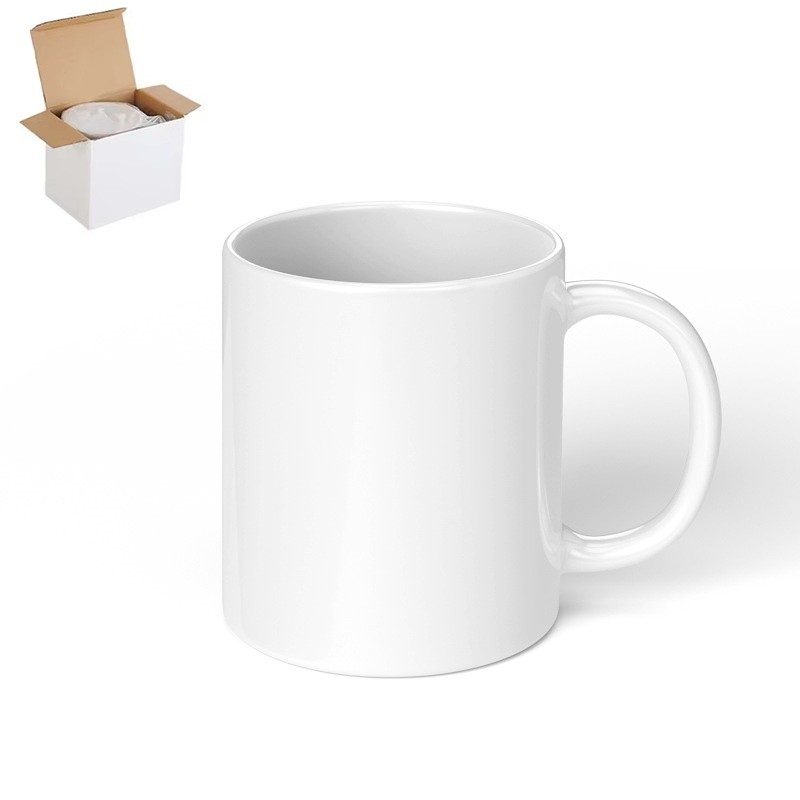
11oz Sublimation Blank Ceramic Mug
Classic 11oz white ceramic mug with premium sublimation coating, ideal for full-color custom designs and logo printing. Minimum order quantity: 5,000 pieces per design.
View Product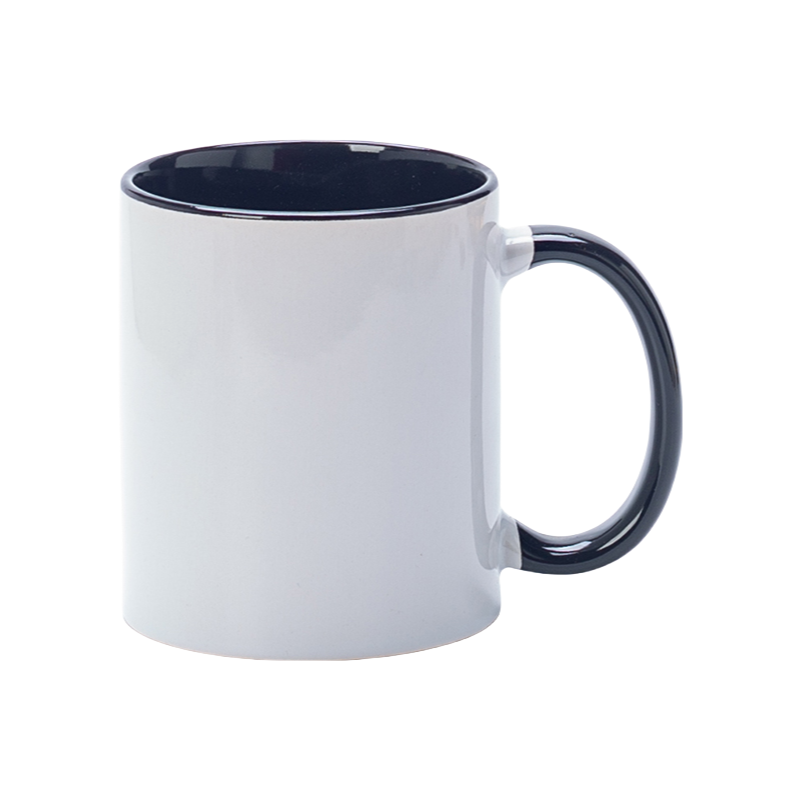
11oz Sublimation Magic Mug OEM Factory
Heat-reactive magic mug that reveals hidden design when filled with hot beverage, full-color sublimation printing. Minimum order quantity: 5,000 pieces per design.
View ProductReady to Optimize Your Order Timing?
Contact Storiware today to discuss your custom mug requirements and learn how July ordering can benefit your business. Our team will help you plan the optimal production schedule for your specific needs.
Get a Free QuoteThis article is for informational purposes only. Product specifications, production timelines, and pricing are subject to change based on order volume, design complexity, and current factory capacity. Please contact Storiware for a current quotation and production schedule.