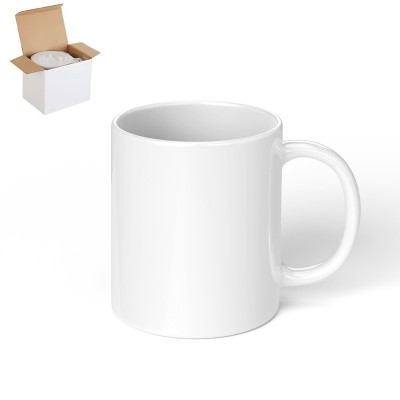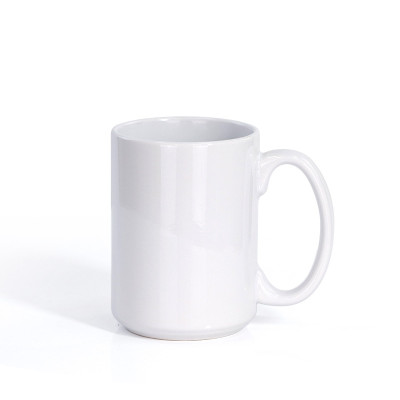
Understanding How Ceramic Coffee Mug Suppliers Achieve Optimal Flavor and Temperature Retention
As a dedicated coffee enthusiast, I often ponder what makes a truly great mug, especially when it comes to maintaining my drink's perfect flavor and warmth. The vessel we choose is the unsung hero of our daily coffee ritual, silently shaping the entire experience from the first enticing aroma to the last satisfying sip. Join me as I delve into the fascinating world of ceramic coffee mug suppliers and uncover the secrets behind their ability to deliver optimal flavor and temperature retention in every cup. We'll explore the science, the design, and the craftsmanship that transform simple clay into the perfect partner for your favorite brew.
Key Takeaways
The creation of an exceptional ceramic coffee mug that preserves both flavor and heat is a complex process rooted in science and artistry. The journey begins with the careful selection of materials, where the low porosity and high thermal inertia of high-fired ceramics, particularly stoneware, are paramount for retaining heat. The choice of clay, such as kaolin or ball clay blends, directly influences the mug's durability and thermal properties. A non-reactive, food-safe glaze is equally critical, as it forms an impermeable barrier that prevents the ceramic from absorbing coffee oils and ensures flavor purity.
Design innovation plays a significant role. Thicker walls provide greater thermal mass, slowing down heat loss and keeping the coffee warmer for longer. The shape of the mug, from a narrow opening that reduces surface area exposure to air to ergonomic handles, enhances both temperature retention and the user's comfort. Manufacturing excellence, demonstrated through advanced, high-temperature firing techniques, is what solidifies these qualities. This process, known as vitrification, ensures structural integrity, insulation, and resistance to thermal shock. Finally, leading suppliers enforce rigorous quality control, testing for everything from physical consistency and durability to the absence of harmful substances like lead and cadmium, guaranteeing a safe, reliable, and superior product that elevates the daily coffee experience.
The Core Elements: How Ceramic Coffee Mug Suppliers Select Materials for Peak Performance
The journey to the perfect cup of coffee doesn't end with the beans or the brew method; it extends to the vessel that holds it. Leading ceramic coffee mug suppliers understand that the foundation of a great mug lies in its materials. The careful selection of clays, glazes, and additives is a scientific process designed to maximize heat retention and preserve the intricate flavors of the coffee.
Understanding Ceramic Properties: Porosity and Thermal Inertia
At the heart of a ceramic mug's performance are two key scientific principles: porosity and thermal inertia. Porosity refers to the tiny, microscopic holes within the ceramic material. A lower porosity is highly desirable, as it means the mug is less likely to absorb liquid, which can lead to staining and a lingering taste from previous drinks. Thermal inertia is a material's resistance to a change in temperature. Ceramics with high thermal inertia will heat up more slowly but, crucially, will also cool down more slowly, keeping your coffee hot for a longer period.
The specific role of high-fired earthenware in heat retention
High-fired ceramics, which include materials like stoneware and porcelain, are fired in a kiln at very high temperatures, typically between 1200°C (2192°F) and 1400°C (2550°F). This intense heat causes a process called vitrification, where the clay particles fuse together, mature, and become glass-like. The result is a dense, hard, and non-porous body. This density is key to heat retention. A vitrified, high-fired mug has minimal water absorption (often less than 0.5%), which makes it an excellent thermal insulator. It slows the transfer of heat from the hot coffee to the outside air, keeping the beverage warmer for longer. While lower-fired ceramics like earthenware are more porous and can trap air, which acts as an insulator, they are often less durable and their porous nature can be a disadvantage if not properly glazed. High-fired stoneware, in particular, achieves an ideal balance of density and insulating properties, making it a preferred choice for mugs designed for optimal heat retention.
Why a non-reactive glaze is crucial for flavor purity
A glaze is the thin, glass-like layer fused onto a ceramic piece. Its primary functional purpose is to seal the naturally porous ceramic body, making it waterproof. For coffee mugs, this is absolutely essential for flavor purity. Without a proper glaze, a porous mug will absorb the oils and aromas from coffee. Over time, these absorbed compounds can become rancid, imparting a stale or "off" taste to any fresh coffee you pour into it.
A "non-reactive" or "inert" glaze is one that is chemically stable and does not leach any substances into the beverage it holds. Vitrified porcelain and properly glazed stoneware are chemically idle at the high temperatures of coffee and do not impart any taste. This is especially important with acidic drinks like coffee, which can potentially draw out unstable materials from a poorly formulated glaze. High-quality suppliers use food-safe glazes that are free of lead and cadmium and have been fired to full maturity. This creates a smooth, durable, and glass-like surface that can be cleaned thoroughly, ensuring that no residue from past drinks interferes with your current cup. The result is a clean, pure taste that allows the coffee's true flavor profile to shine through, sip after sip.
Selecting the Right Clay: Kaolin, Ball Clay, and Stoneware Varieties
The type of clay used is a decisive factor in a mug's final characteristics. Suppliers don't just grab any earth; they formulate specific clay bodies by blending different types of raw materials to achieve desired levels of durability, workability, and, of course, heat retention. Common choices include kaolin (the primary component of porcelain), ball clay (for plasticity and strength), and various stoneware clays.
 Alt text: A selection of raw clays used by ceramic coffee mug suppliers, including kaolin, ball clay, and stoneware.
Impact on a mug's overall heat retention capabilities
Different types of clay have distinct thermal properties. Stoneware is generally regarded as one of the best materials for heat retention in mugs. Because it is fired at high temperatures, stoneware becomes dense and partially vitrified, giving it substantial thermal mass. This allows it to absorb and hold heat effectively, keeping coffee warm for a longer period compared to some other ceramics. Porcelain, made from refined kaolin clay and also high-fired, is extremely dense and strong. However, porcelain items are often designed with thinner walls, which can reduce their overall heat-retaining capacity compared to a thick-walled stoneware mug.
The structure of the clay also plays a part. Some clays have a more porous nature, which means they contain tiny air pockets. Air is a poor conductor of heat, so these pockets can provide an insulating effect, slowing heat transfer. Earthenware, for instance, is more porous and can offer good insulation, but its lower firing temperature makes it less durable and more susceptible to water absorption if not perfectly glazed. Ultimately, suppliers often favor stoneware because it provides an excellent combination of density, thermal mass, and durability for everyday use.
| Material | Firing Temperature | Density & Porosity | Heat Retention | Key Feature |
|---|---|---|---|---|
| Earthenware | Low (~1000-1150°C) | Porous, less dense | Good due to air pockets, but cools faster if thin | Often used for decorative pieces due to vibrant glazes |
| Stoneware | High (~1200-1300°C) | Dense, low porosity | Excellent due to high thermal mass and thick walls | A top choice for durable, heat-retaining daily mugs |
| Porcelain | Very High (~1200-1400°C) | Very dense, non-porous | Good, but can be less than stoneware if walls are thin | Known for its strength, translucence, and refined feel |
Enhancing durability and resistance to chipping
Durability is a non-negotiable quality for a daily-use coffee mug. The choice of clay and the manufacturing process are paramount in creating a product that can withstand the rigors of frequent use, washing, and the occasional bump. High-fired ceramics like stoneware and porcelain are inherently more durable than low-fired earthenware. The key is the process of vitrification that occurs at high temperatures. This process melts the silica and other particles in the clay, fusing them into a dense, glass-like, non-porous structure. A vitrified mug is significantly stronger and more resistant to chipping and cracking.
Stoneware, in particular, is renowned for its robustness and chip resistance, largely due to its dense body and typically thicker construction. Porcelain is also exceptionally strong due to its high firing temperature and the purity of kaolin clay, but its characteristic thinness can sometimes make its rims more vulnerable to chipping compared to a thick stoneware piece. Suppliers further enhance durability by carefully designing shapes that minimize stress points, such as reinforcing the base of handles. A quality glaze also acts as a protective outer layer, adding another level of strength and preventing scratches.
Design Innovations from Ceramic Coffee Mug Suppliers for Your Coffee Ritual
Beyond the fundamental choice of materials, the physical design of a coffee mug is intelligently engineered by suppliers to enhance both temperature stability and the overall drinking experience. The shape, thickness, and even the handle of a mug are not arbitrary; they are the result of thoughtful consideration of fluid dynamics, thermal principles, and human ergonomics.
The Influence of Wall Thickness and Mug Shape on Temperature
The geometry of a mug is a critical factor in how long your coffee stays at an enjoyable temperature. Heat is lost primarily through conduction (through the mug's walls), convection (from air currents over the surface), and evaporation from the top. Accomplished suppliers design their mugs to mitigate all three.
How thicker walls are engineered to maintain warmth longer
Thicker ceramic walls provide better insulation due to a concept known as thermal mass. A material with high thermal mass, like a dense, thick ceramic, can absorb a significant amount of heat energy. When you pour hot coffee into a thick-walled mug, the ceramic itself absorbs some of that heat. While this may cause the initial temperature of the coffee to drop slightly more than in a thin-walled cup, the heat stored in the mug's walls is then slowly released back into the coffee and out to the environment. This process creates a thermal buffer, slowing down the overall rate of cooling and keeping the coffee at a stable, enjoyable temperature for a longer period.
Suppliers engineer wall thickness precisely; it's a balance between maximizing thermal mass and keeping the mug from being uncomfortably heavy. The ideal thickness provides enough insulation to significantly prolong warmth without making the mug cumbersome.
Ergonomic designs and comfortable grips for an enhanced experience
A great mug feels good to hold. Suppliers invest in ergonomic research to create handles that are comfortable, secure, and well-balanced. An ergonomic handle is designed to fit the natural curve of the hand, which reduces strain on the fingers and wrist. For many users, especially those with arthritis or limited grip strength, a well-designed handle can make a significant difference in their daily comfort.
Key aspects of ergonomic handle design include:
- Size and Shape: The handle should be large enough to accommodate several fingers without crowding, allowing for a secure grip. Handles that are too small or thin can cause strain.
- Balance: The handle's placement is calculated to ensure the mug feels balanced and stable when full, preventing tipping and making it easier to lift and sip from.
- Heat Protection: The most obvious function of a handle is to provide a cool surface to hold, protecting your hand from the heat of the mug's body. The materials and design ensure heat does not transfer effectively into the handle.
Beyond traditional handles, some suppliers offer innovative designs like handleless mugs with textured or indented grip areas, or double-walled constructions that keep the outer surface cool to the touch. These designs offer a different tactile experience, often described as more intimate or minimalist, allowing the user to cradle the warmth of the mug directly.
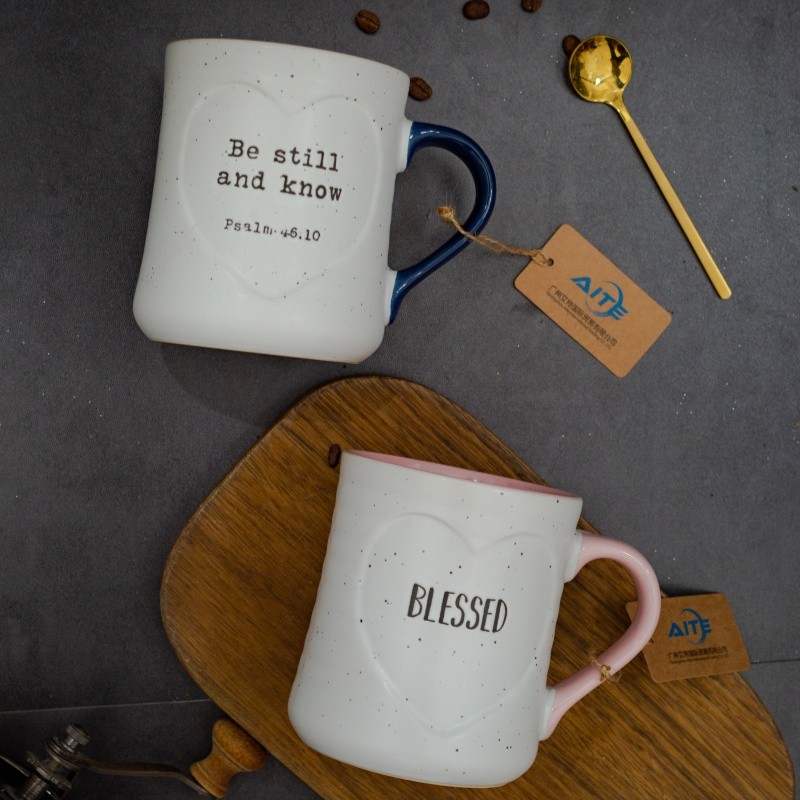 Alt text: A variety of ceramic coffee mugs showcasing ergonomic and creative handle designs for enhanced comfort and usability.
The Science of Glazing for Optimal Flavor Preservation
As we touched on earlier, the glaze is far more than just a decorative finish. It is a functional barrier that performs a critical scientific role in protecting the integrity of your coffee's flavor. The interaction—or lack thereof—between your coffee and the mug's surface is dictated almost entirely by the quality of the glaze.
Preventing the absorption of coffee flavors into the ceramic
A high-quality vitreous glaze, when fired correctly, fuses with the clay body to create a continuous, non-porous, glass-like surface. This process effectively seals the microscopic pores that are naturally present in fired clay. Without this seal, especially in more porous ceramics like earthenware, the mug would act like a sponge. Coffee, being a dark and oily liquid, would seep into the unglazed clay.
This absorption leads to two major problems. First, it causes unsightly staining that is impossible to clean. Second, and more importantly for flavor, the trapped coffee oils can become old and rancid over time, creating a lingering stale flavor that taints every new batch of coffee you drink. A proper glaze provides a formidable barrier, ensuring the ceramic body itself never comes into contact with the liquid, thus preserving a neutral surface that will not hold onto past flavors.
Achieving a consistently smooth and clean taste profile
A perfectly smooth, fully matured glaze is key to delivering a pure and consistent taste profile. Because ceramic is a chemically neutral material, it doesn't absorb or impart flavors when properly sealed. This means the taste of your coffee remains untainted, allowing you to experience the authentic notes of the beans and roast. In contrast, materials like plastic can absorb odors, and some metals can react with the complex compounds in coffee, creating a metallic off-taste.
The goal of a high-quality glaze is to create a surface as close to glass as possible—smooth, hard, and inert. When you drink from a well-glazed ceramic mug, the only thing you taste is the coffee itself. This is why many coffee purists and professional baristas prefer ceramic or porcelain; it provides a clean slate for every cup. Furthermore, the smooth surface is incredibly easy to clean, preventing the buildup of oils or dish soap residue that could interfere with the next brew. This meticulous attention to the mug's interior surface ensures a reliably clean and authentic flavor experience every single time.
Manufacturing Excellence: The Craft Behind Every Piece by Ceramic Coffee Mug Suppliers
The creation of a superior ceramic mug is a testament to manufacturing precision, where ancient craft meets modern science. It's in the kiln where the chosen materials and thoughtful designs are locked into their final, high-performance form. Leading suppliers distinguish themselves through their mastery of advanced firing techniques and their unwavering commitment to rigorous quality control.
Advanced Firing Techniques for Structural Integrity and Insulation
The firing process is arguably the most transformative stage in a mug's life. It is not simply about heating clay; it's a controlled process that determines the final strength, density, and thermal properties of the mug. Suppliers use sophisticated kilns that allow for precise control over temperature and duration.
The effect of specific kiln temperatures on ceramic properties
Different clays mature at different temperatures, and reaching the correct temperature is crucial for achieving the desired properties. Potters and manufacturers use a system of pyrometric cones—small, pyramid-shaped indicators that are formulated to bend at a specific "heatwork" level (a combination of time and temperature).
- Low-Fire (approx. 950-1060°C / Cone 06-04): This range is for earthenware clays. Firing at these lower temperatures results in a more porous body that must be glazed to be waterproof. The primary benefit is the ability to achieve very bright and vibrant glaze colors that would burn out at higher temperatures.
- Mid-Fire (approx. 1180-1230°C / Cone 5-6): This is a very popular range for studio potters and many manufacturers. Stoneware clays mature well in this range, becoming vitrified, durable, and non-porous—ideal for functional items like mugs.
- High-Fire (approx. 1260-1305°C / Cone 8-10): This range is used for the densest stoneware and porcelain bodies. Firing to these temperatures results in extremely strong, vitrified pottery that is highly resistant to chipping and wear.
By firing a mug to its optimal maturation temperature, suppliers ensure the clay particles fuse together, a process known as vitrification. This creates a dense, strong structure with very low porosity, which is essential for both durability and insulation. Under-firing can leave a mug weak and porous, while over-firing can cause it to warp, bloat, or even melt.
Methods to minimize thermal shock and enhance longevity
Thermal shock is the stress a material endures when it experiences a rapid and significant change in temperature, which can cause cracking, crazing (a fine network of cracks in the glaze), or even shattering. Pouring boiling coffee into a cold mug is a common example of thermal shock.
Manufacturers employ several strategies to enhance a mug's resistance to this stress and improve its longevity:
- Controlled Cooling (Annealing): Just as important as the heating cycle is the cooling cycle. The process of slowly and controllably cooling a ceramic piece after firing is a form of annealing. This process relieves internal stresses that build up in the material as it cools, making the final product stronger and much less likely to crack when subjected to sudden temperature changes later on. Rapid, uncontrolled cooling can lock in these stresses, creating a weak and vulnerable product.
- Proper Glaze Fit: The glaze and the clay body must be thermally compatible, meaning they expand and contract at similar rates. This is known as "glaze fit." If the glaze contracts significantly more than the body upon cooling, it will be put under tension and will craze. If the body contracts more than the glaze, the glaze will be put under compression and can "shiver," or flake off the edges. Suppliers meticulously formulate their clay and glaze recipes to ensure they have compatible coefficients of thermal expansion, resulting in a strong, unified final product that can better withstand thermal stress.
- Material Composition: The choice of raw materials plays a role. Additives can be included in clay bodies to improve their thermal shock resistance. Interestingly, while highly vitrified bodies like porcelain are extremely strong, their brittle nature can sometimes make them susceptible to thermal shock. More porous earthenware can sometimes absorb thermal stresses better, although it sacrifices durability in other areas. Stoneware often provides a good balance of durability and thermal shock resistance for everyday use.
Rigorous Quality Control Standards Set by Leading Ceramic Coffee Mug Suppliers
For a top-tier supplier, the job isn't done when the mugs come out of the kiln. A commitment to excellence extends to a comprehensive quality control (QC) process. This final step ensures that every single piece that reaches the customer meets a high standard of performance, safety, and consistency.
Testing processes to ensure consistency in performance
Consistency is key, especially for businesses buying mugs in bulk for cafes, restaurants, or corporate branding. Leading suppliers implement a battery of tests to ensure every mug in a batch performs as well as the last. These tests may include:
- Dimensional & Capacity Checks: Every mug is inspected to ensure it conforms to the specified height, diameter, and volume. This guarantees uniformity across an entire order.
- Visual Inspection: Trained inspectors meticulously check each mug for aesthetic defects such as pinholes or bubbles in the glaze, color inconsistencies, or blemishes in the finish.
- Durability Testing: Random samples may be subjected to impact or chip resistance tests to verify the strength of the ceramic body and glaze.
- Thermal Shock Testing: Mugs may undergo tests that simulate real-world use, such as being filled with boiling water and then plunged into cold water, to ensure they don't crack or craze.
- Dishwasher & Microwave Safety Tests: If a mug is marketed as dishwasher or microwave safe, it is tested to confirm that it can withstand repeated cycles without the glaze fading, the body cracking, or the handle overheating.
Ensuring the production of safe, durable, and reliable products
The most critical aspect of quality control is ensuring product safety. Historically, some ceramic glazes contained lead or cadmium to achieve bright colors or a glossy finish. These heavy metals are toxic and can leach into food and beverages, especially acidic ones like coffee, posing a significant health risk.
Today, reputable suppliers are held to strict regulatory standards. In the United States, the Food and Drug Administration (FDA) sets action levels for the amount of leachable lead and cadmium in ceramicware. For cups and mugs, the limit is extremely low, at 0.5 micrograms per milliliter (µg/mL) of solution. California's Proposition 65 is even more stringent, requiring warning labels on products that contain chemicals known to cause cancer or reproductive harm, including lead. The Prop 65 standard for leachable lead in cups and mugs is less than 0.1 parts per million (ppm).
To comply with these regulations and ensure consumer safety, leading suppliers:
- Use only lead-free and cadmium-free glazes and clays.
- Conduct regular laboratory testing on their products. This involves filling a sample mug with a mild acid solution for 24 hours and then analyzing the solution to measure how much, if any, lead or cadmium has leached out.
- Seek third-party certifications to validate that their products are food-safe and meet all federal and state requirements.
By adhering to these rigorous standards, suppliers build trust and provide the ultimate assurance that their mugs are not only high-performing but also completely safe for daily enjoyment.
The Consumer's Guide: What to Look for from Your Ceramic Coffee Mug Supplier
Whether you are a café owner sourcing mugs for your business, a marketing manager ordering branded merchandise, or a coffee lover looking for the perfect personal cup, understanding what to look for in a supplier is key. It’s about more than just a good-looking product; it’s about finding a partner committed to quality, innovation, and your specific needs.
Evaluating a Supplier's Commitment to Quality and Innovation
The best suppliers are transparent about their processes and proud of their craftsmanship. They see themselves not just as manufacturers, but as experts in their field. When evaluating a potential supplier, consider their dedication to creating a superior product from start to finish.
Researching their material sourcing and ethical practices
An ethical and high-quality supplier should be willing and able to provide information about where their raw materials—like clays and glazes—come from. This is a key component of supply chain transparency. Research whether the supplier sources materials locally to reduce transportation emissions or if they have partnerships with reputable material producers.
Furthermore, a commitment to ethical practices extends to the manufacturing process itself. Look for evidence of sustainable practices, which can include:
- Water Conservation: Implementing closed-loop systems to recycle and reuse water from the clay preparation and glazing processes.
- Energy Efficiency: Using modern, energy-efficient kilns and optimizing firing schedules to reduce electricity or gas consumption.
- Waste Reduction: Reclaiming and recycling unfired clay scraps to minimize landfill waste.
- Fair Labor Practices: Ensuring safe working conditions and fair wages for artisans and factory workers, which is a cornerstone of ethical production.
A supplier that openly discusses these practices demonstrates a commitment to not just their product, but also to the environment and their community.
Understanding their unique manufacturing processes and specializations
Every supplier has its strengths. Some may specialize in durable, high-fired stoneware perfect for a bustling café, while others might be masters of delicate, translucent porcelain for high-end giftware. When evaluating a supplier, try to understand what makes them unique. Ask them about:
- Their kiln technology: Do they use modern, computer-controlled electric kilns for consistency, or traditional gas or wood-fired kilns for unique, atmospheric glaze effects?
- Their clay bodies: Do they formulate their own proprietary clay blends to achieve specific results in durability or heat retention?
- Glaze development: Do they have an in-house team that develops unique and innovative glaze recipes, colors, and textures?
- Specializations: Are they known for a particular technique, such as hand-painting, reactive glazes, or advanced printing methods for customization?
A supplier who can speak with passion and expertise about their craft is likely one who invests deeply in the quality and innovation of their products. Don't hesitate to ask for technical datasheets or certification documents to verify their claims.
Customization Options and Ensuring Brand Consistency
For many buyers, especially businesses, a mug is not just a vessel but a canvas. The ability to customize a mug with a logo, brand colors, or a unique design is paramount. A good supplier will work as a partner to ensure your vision is realized with precision and quality.
Exploring branding opportunities for businesses and personal use
A high-quality ceramic mug offers a prime opportunity for branding that is both practical and long-lasting. Suppliers offer a range of customization techniques, each with its own benefits, to ensure your logo or design looks sharp and stays put.
- Dye Sublimation: This is an excellent method for full-color, photographic, or complex designs. The design is printed with special inks that, when heated, turn into a gas and permeate the polymer coating on the mug. The result is a vibrant, permanent image that is smooth to the touch and highly resistant to fading, making it dishwasher and microwave safe.
- Screen Printing (Silkscreen): Ideal for simple logos with one to four solid colors, screen printing is a cost-effective choice for large bulk orders. It involves pushing ink through a mesh stencil onto the mug's surface. The print is bold and durable, though not as permanent as sublimation, and may not be suitable for dishwashers depending on the ink and curing process.
- Ceramic Decals (Water-Slide Transfer): For a premium, highly durable finish, decal printing is a superior option. The design is printed on special decal paper, which is then carefully applied to the mug by hand. The mug is then fired in a kiln at high temperatures, which permanently fuses the decal into the glaze. This method produces an exceptionally resilient print that will not fade or scratch with use, but it is more labor-intensive and costly.
By discussing these options with your supplier, you can choose the method that best fits your design, budget, and durability requirements, turning a simple mug into a powerful promotional tool.
Strategies for finding unique and high-performing mug designs
Finding a mug that is both unique and high-performing requires looking beyond the standard catalog. A great supplier relationship is a partnership. Here are some strategies to discover the perfect design:
- Request Samples: The best way to evaluate the quality of a mug is to hold it in your hands. Request samples of different styles, materials, and finishes. Test them yourself—drink coffee from them, wash them, and see how they feel and perform in a real-world setting.
- Discuss Custom Shapes: If you have a specific vision, don't be afraid to ask about custom mold development. While this involves a higher initial investment, a unique shape can make your mug—and your brand—stand out. A good supplier can advise on the feasibility and cost of creating a proprietary design.
- Explore the Finish: A mug's texture and finish contribute significantly to its unique appeal. Ask your supplier about options beyond a standard gloss. Matte glazes, speckled finishes, reactive glazes (which create unique, one-of-a-kind patterns during firing), and unglazed or partially glazed sections can all create a distinctive and memorable product.
- Leverage Their Expertise: Talk to your supplier about your goals. Are you looking for a mug that offers the absolute best heat retention for slow-sipping customers? Or a lightweight, durable mug for a busy office environment? An expert supplier can recommend materials, shapes, and features—like thicker walls or a narrower opening—that are specifically engineered to meet your performance needs. By collaborating with your supplier, you can move beyond a simple transaction and co-create a product that truly excels.
Frequently Asked Questions (FAQ)
1. Does the color of the mug affect the taste of coffee?
Yes, surprisingly, it can. Scientific studies have shown that the color of a mug can influence our perception of taste through a phenomenon called cross-modal correspondence. For instance, one study found that coffee served in a white mug was perceived as more intense and bitter compared to the same coffee in a blue or transparent mug. Other research has linked certain colors to specific tastes, with pink often associated with sweetness and black with bitterness. The contrast between the dark coffee and a white mug may visually enhance its perceived strength and bitterness in our brains.
2. What is the most durable type of ceramic for a coffee mug?
Stoneware is generally considered one of the most durable types of ceramic for everyday coffee mugs. It is fired at a high temperature, which makes the clay body dense, strong, and vitrified (non-porous). This process gives it excellent resistance to chipping and cracking. While porcelain is technically harder and stronger due to being fired at even higher temperatures, its traditional design with thinner walls can make it more susceptible to chipping on edges compared to the typically thicker, more robust build of a stoneware mug. Earthenware, being fired at the lowest temperature, is the most fragile and porous of the three.
3. What are the key signs of a high-quality ceramic mug?
A high-quality ceramic mug can be identified by a few key characteristics. First, feel its weight and balance; it should feel substantial but not overly heavy, with a handle that is comfortable and allows for a secure grip. Inspect the glaze closely—it should be smooth and even, with no visible defects like pinholes, bubbles, or crazing (a network of fine cracks). The rim should be smooth and consistent. If you gently tap the rim, a well-made, dense mug will produce a clear ringing sound, whereas a dull thud might indicate underlying flaws. Finally, check the bottom for a "microwave-safe" or "dishwasher-safe" symbol and branding from a reputable supplier, which indicates it has undergone quality and safety testing.
4. Are ceramic mugs better than glass or stainless steel?
Each material has its own set of advantages, and the "best" choice often comes down to personal preference and intended use.
- Ceramic: Excels at heat retention, second only to insulated steel. It is chemically neutral, meaning it won't absorb or impart any flavors, ensuring a pure coffee taste. Its weight and feel are often associated with a comforting, high-quality experience.
- Glass: Like ceramic, glass is flavor-neutral and has the added benefit of showcasing the visual appeal of layered drinks like lattes. However, standard glass mugs lose heat much faster than ceramic ones. Borosilicate glass options are more resistant to thermal shock.
- Stainless Steel: Unmatched for heat retention, especially in double-walled, vacuum-insulated designs, making it ideal for travel. It is also extremely durable. However, some users report that stainless steel can impart a slight metallic taste to the coffee, and it cannot be used in the microwave.
For flavor purity and good heat retention for at-home or in-office sipping, ceramic is often considered the superior choice.
Conclusion: The Art and Science in Every Sip
It's clear to me that the meticulous methods employed by ceramic coffee mug suppliers are absolutely essential to our everyday coffee enjoyment, spanning from the scientific selection of materials to the artistic execution of design. The journey from a lump of clay to the perfect vessel is a complex interplay of chemistry, physics, and thoughtful engineering. Every decision—from the choice of high-fired stoneware for its thermal mass to the formulation of a non-reactive glaze for flavor purity—is made with the ultimate goal of enhancing our interaction with one of the world's most beloved beverages.
The next time you savor a perfectly warm and flavorful drink, I hope you'll take a moment to appreciate the significant craftsmanship and dedication that comes from a truly excellent ceramic coffee mug supplier. That comforting weight in your hand, the smooth feel of the rim, and the consistent temperature from the first sip to the last are not accidents; they are the result of a deep understanding of material science and an unwavering commitment to quality. The perfect mug doesn't just hold our coffee—it elevates it. We encourage you to share this article with fellow coffee lovers and continue the conversation about what makes the perfect cup.